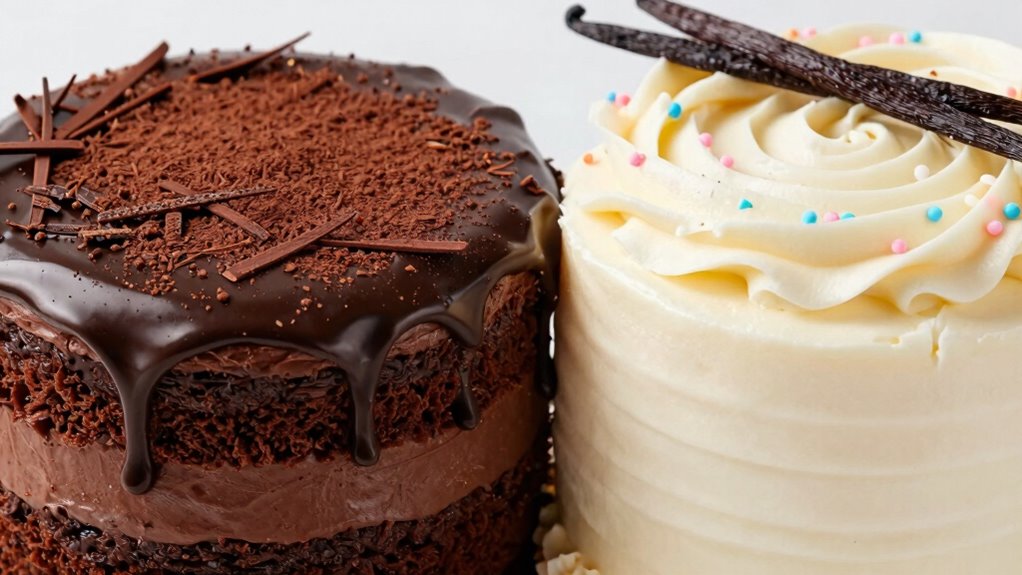
Fascinating differences in ingredients cause chocolate and vanilla cakes to behave uniquely during baking, influencing texture, flavor, and appearance—discover why.
Browsing Tag
baking science
9 posts
Why Reverse Creaming Changes the Crumb So Much
Reversing the creaming method changes how your batter develops, resulting in a…
Why Browning Fast Doesn’t Mean Baking Fast
Just because your food browns quickly doesn’t mean it’s fully baked; uncover the science behind achieving even doneness.
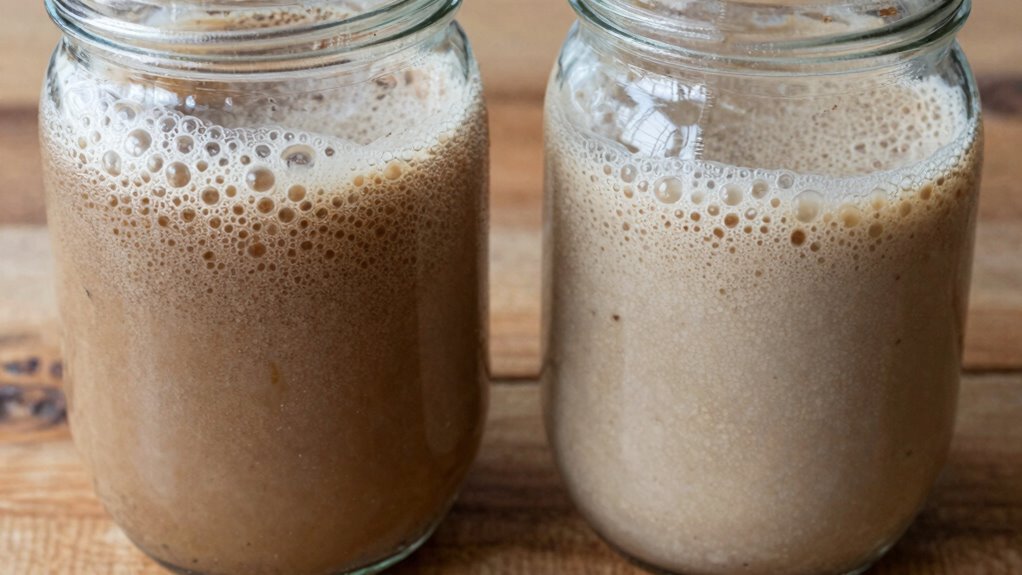
Why Whole Grain Starters Behave So Differently
Nurturing whole grain starters reveals complex fermentation dynamics driven by nutrients, microbes, and hydration, shaping your baking in surprising ways.
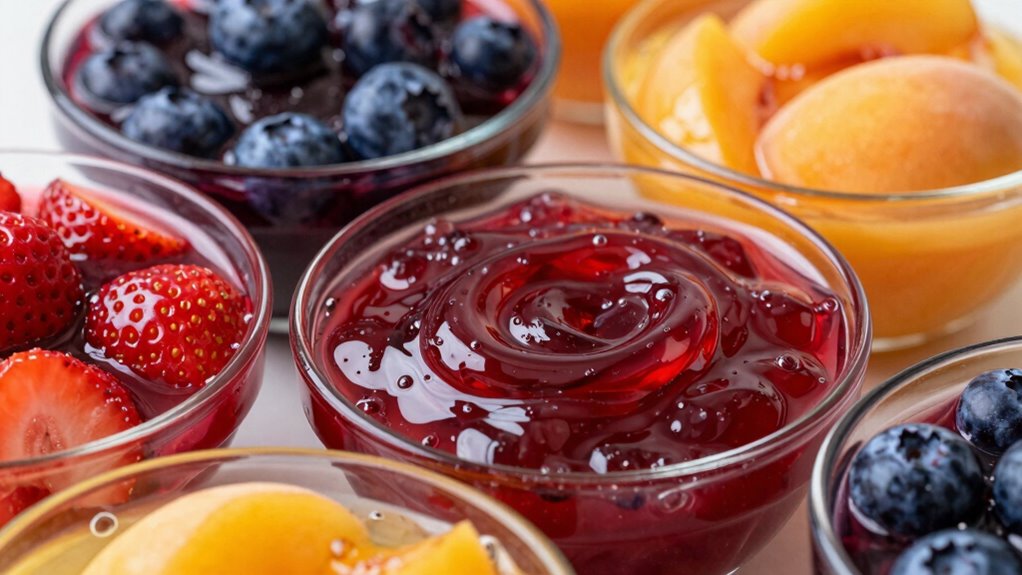
Fruit Pie Fillings: How Starches Really Thicken
Navigating the science behind fruit pie fillings reveals how starches truly thicken, unlocking perfect textures—discover the secrets to mastering this essential baking skill.
Why Your Cheesecake Needs a Water Bath (Science, Not Tradition)
The science behind using a water bath ensures perfect cheesecake texture by maintaining even, gentle heat—discover why this step is essential for your baking success.
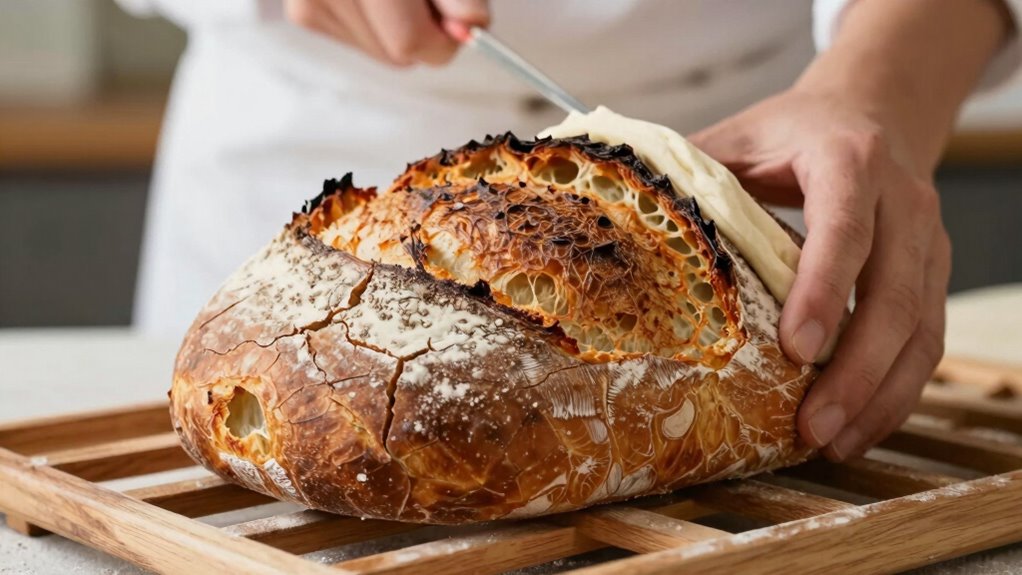
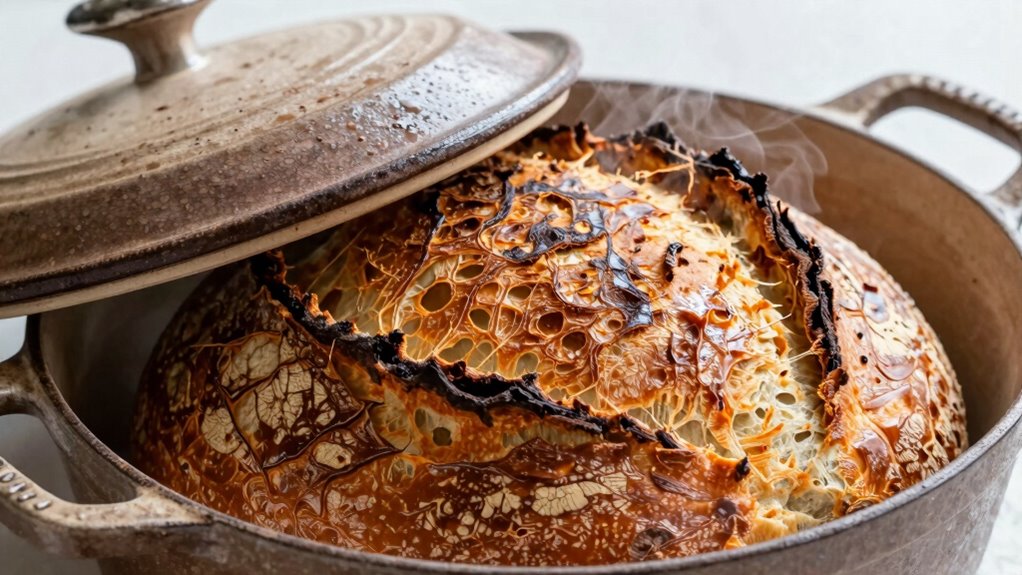
Dutch Oven Bread Physics: Why Lids Make Better Crust
Using the lid in your Dutch oven traps steam, which keeps the…
Baker’s Schedule Math: Predict Rise Time With Temperature
Find out how temperature controls your dough’s rise time and master your baking schedule with essential baker’s math.
Butter vs Oil: The Real Reason Cakes Turn Out Different
Savor the surprising factors behind why butter and oil produce differently textured cakes, revealing the science that influences your baking results.