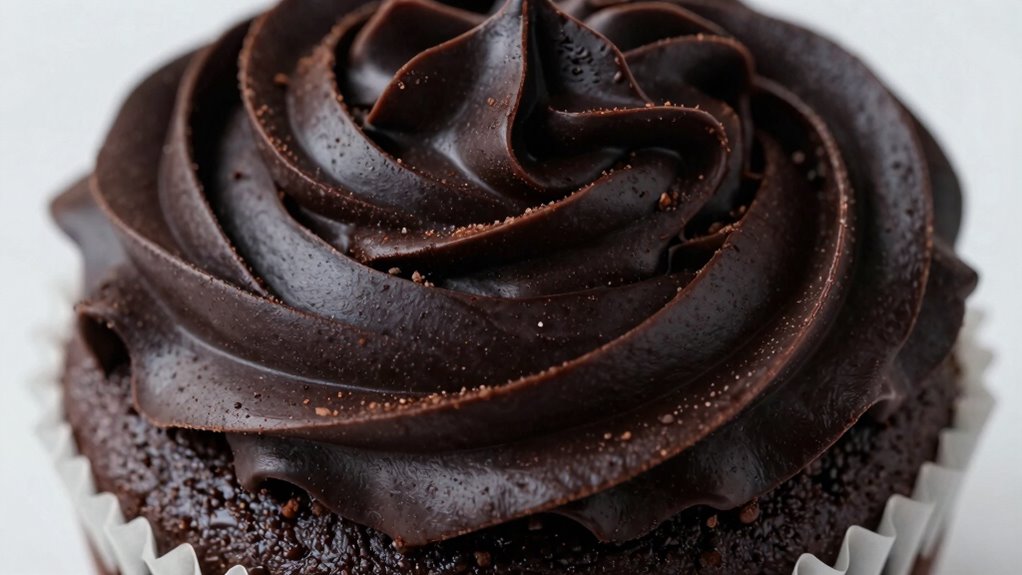

If you notice dark-colored frosting tastes different, it’s likely due to the dyes used to achieve those rich hues. Dark shades often require more food coloring, which can introduce chemical or metallic flavors that overpower the frosting’s natural notes. Artificial dyes tend to have stronger chemical tastes, while natural colorants offer softer flavors. If you want to understand how these dyes impact flavor and how to reduce this effect, there’s more to explore below.

Get baking supplies delivered free with Prime
- Fast, free delivery on millions of items
- Prime Video, Amazon Music and more included
- Member-only deals all year
Key Takeaways
- Dark-colored frosting uses more intense dyes, which can introduce bitter or metallic flavors.
- Artificial dyes in dark shades contain chemical additives that affect taste.
- Higher dye concentrations needed for dark colors amplify flavor interference.
- Natural colorants produce softer shades and have minimal impact on flavor.
- The chemical composition of dyes is responsible for the altered flavor profile in dark frostings.
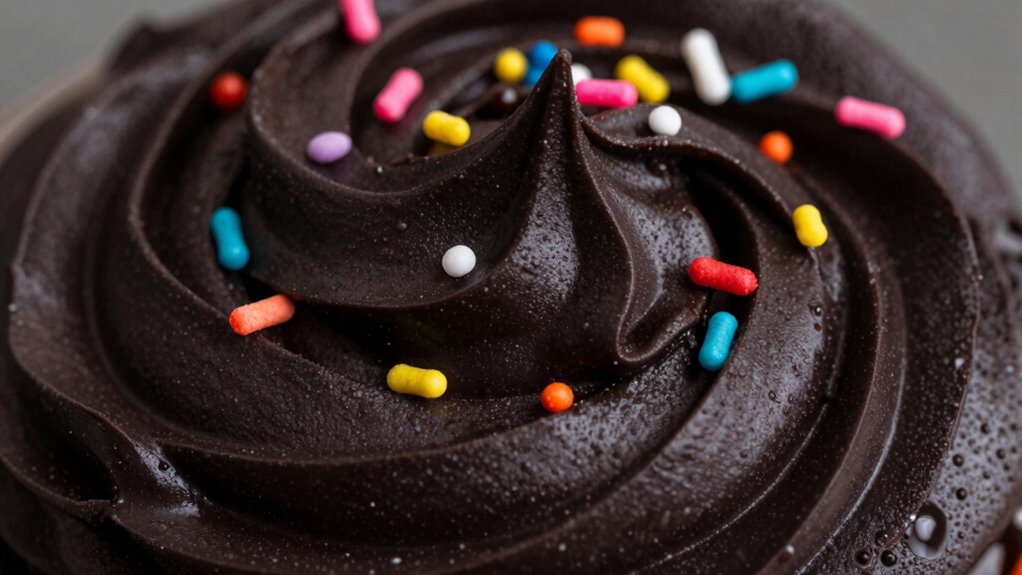
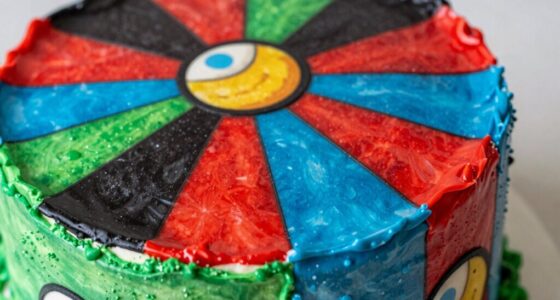
If you’ve noticed that dark-colored frosting tastes different from lighter shades, you’re not imagining it. The difference isn’t just about aesthetics or the way it looks on your dessert; it often comes down to how certain ingredients and food coloring effects influence flavor. When you use darker colors in frosting, you’re likely introducing more intense food coloring, which can alter the natural flavor of the frosting itself. Many commercial food colorings, especially those that produce deep reds, blues, or blacks, contain chemical additives or dyes that have distinct tastes, sometimes bitter or metallic, which can interfere with the frosting’s natural flavor profile.
Dark food colors can alter frosting’s flavor due to chemical dyes with bitter or metallic tastes.
The use of food coloring effects in dark shades often involves concentrated dyes that are more potent than their lighter counterparts. These dyes are designed to produce vibrant, rich colors quickly, but they can also add a subtle or sometimes noticeable chemical taste. If you’re aiming for a natural flavor in your frosting, you might find that these darker, artificially colored options don’t quite match the fresh, sweet, or creamy notes you’re expecting. Instead, they can introduce an undertone that shifts the overall flavor, making it seem less pure or more processed.
Another aspect to deliberate on is that darker colors sometimes require more food coloring to achieve the desired shade. The increased amount of dye can intensify any flavor effects, making the frosting taste different than if you’d used a lighter or natural-colored variety. The concentration of food dyes used in dark shades is often higher, which can further influence flavor. The more dye you add, the more the food coloring effects come into play, potentially overshadowing the natural flavor of the frosting ingredients like butter, cream cheese, or vanilla. Additionally, opting for artificial dyes over natural colorants can further impact the flavor profile, as artificial dyes are often associated with more pronounced chemical tastes. Using natural colorants derived from vegetables, fruits, or spices can help reduce these unwanted flavor effects, offering a more authentic taste experience.
It’s also worth noting that some consumers are increasingly seeking natural food colorings, which tend to be gentler and less likely to alter the flavor of your frosting significantly. These options tend to have milder, more subtle effects on flavor, helping you maintain the authentic taste of your frosting while still achieving the color you want. Keep in mind that natural colorings often produce softer, more muted shades, especially when compared to the vibrant hues of synthetic dyes, but they’re less likely to affect the flavor profile negatively. Additionally, natural colorants may require slightly more time or effort to achieve the desired shade, but the trade-off is a more authentic flavor.
natural food coloring for frosting
As an affiliate, we earn on qualifying purchases.
As an affiliate, we earn on qualifying purchases.
Frequently Asked Questions
Do Artificial Dyes Affect Frosting Taste Differently Than Natural Colors?
Artificial dyes in food coloring can affect your frosting’s taste more than natural colors. You might notice a slight chemical or plastic-like flavor with synthetic dyes, which can alter your flavor perception. Natural colors, derived from fruits or vegetables, usually have a milder taste and don’t interfere with the frosting’s flavor. So, if you want a purer taste, opting for natural food coloring is a better choice.
Can the Type of Chocolate Influence the Flavor of Dark-Colored Frosting?
Yes, the type of chocolate influences the flavor of dark-colored frosting. You’ll notice differences based on chocolate origin and cocoa content; for instance, a single-origin chocolate might add unique, nuanced flavors, while higher cocoa content gives a richer, more intense taste. When choosing chocolate, consider these factors to achieve the desired flavor profile, as they’ll directly impact the frosting’s taste and depth.
Does the Temperature of the Frosting Change Its Taste?
Yes, the temperature of your frosting can change its taste. When frosting is too warm, it becomes runny, affecting its consistency, and can cause subtle flavor shifts. If you’ve made ingredient substitutions, the temperature might accentuate or mask certain flavors. Chilling your frosting helps maintain its ideal consistency and preserves flavor integrity, ensuring each bite tastes just as you expect. Always taste your frosting at its proper temperature for the best experience.
Are There Health Implications of Consuming Dark-Colored Frosting Regularly?
You might wonder if dark-colored frosting poses health risks. While intense colors can sometimes contain artificial dyes that affect color stability and potentially mask certain flavors, consuming them regularly could lead to allergic reactions or hyperactivity in sensitive individuals. It’s wise to check ingredient labels and limit intake of artificial colorings, especially if you’re concerned about long-term health. Moderation helps prevent any adverse effects from flavor masking or dye exposure.
How Does the pH Level of Ingredients Impact Frosting Color and Flavor?
The pH level of your ingredients directly affects frosting color and flavor. When the pH balance is more acidic, it can deepen colors and enhance flavors, especially with ingredients like lemon juice or vinegar. Conversely, a more neutral or alkaline pH may dull colors and alter taste. Adjusting the pH helps you control both the visual appeal and flavor profile, ensuring your frosting looks vibrant and tastes just right.
artificial food coloring for baking
As an affiliate, we earn on qualifying purchases.
As an affiliate, we earn on qualifying purchases.
Conclusion
So, next time you notice dark-colored frosting tasting different, remember it’s all about the ingredients and their chemical interactions. Darker shades often contain more cocoa or artificial coloring, which can alter flavor profiles. Did you know that studies show consumers perceive darker desserts as richer but sometimes less sweet? This perception influences how we experience taste. Understanding these subtle differences helps you appreciate the art behind decorating and flavoring, making your baking even more enjoyable and intentional.
As an affiliate, we earn on qualifying purchases.
As an affiliate, we earn on qualifying purchases.
Halloween Picks
halloween
As an affiliate, we earn on qualifying purchases.