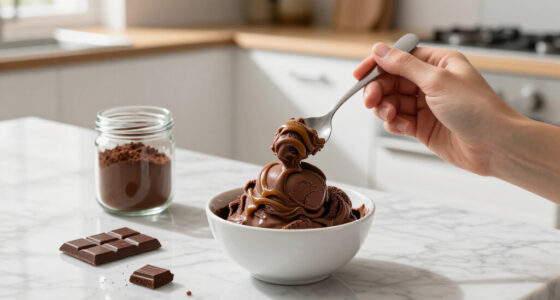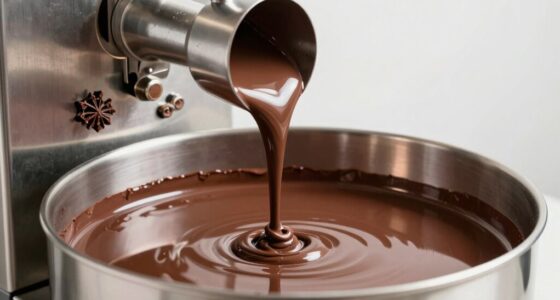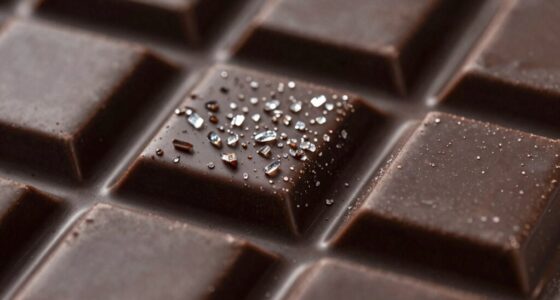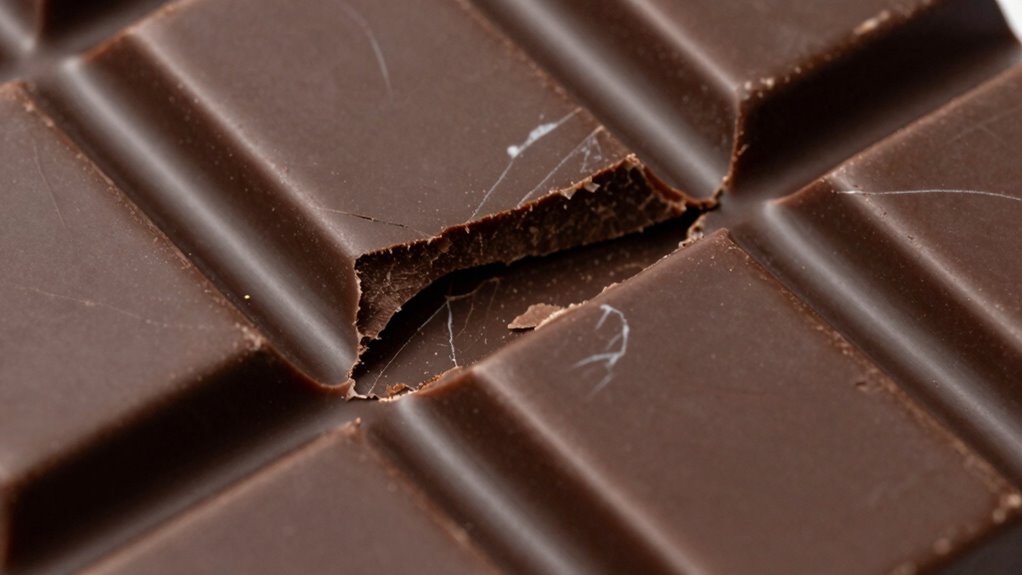

Even small temperature errors can ruin your chocolate work because precise control is essential for forming stable crystals that give it a shiny, smooth finish. If you overheat or cool the chocolate too quickly, it disrupts this crystal structure, leading to dullness, streaks, or a greasy texture. Paying close attention to the right temperatures during melting, cooling, and retempering helps you achieve professional results. Keep going to discover more tips on mastering temperature control for perfect chocolate.

Get baking supplies delivered free with Prime
- Fast, free delivery on millions of items
- Prime Video, Amazon Music and more included
- Member-only deals all year
Key Takeaways
- Small temperature errors disrupt the formation of stable crystalline structures in chocolate.
- Even minor deviations can cause dullness, streaks, or bloom, ruining appearance and texture.
- Precise temperature control is essential for proper tempering and glossy, firm finishes.
- Overheating or rapid cooling from small errors compromises chocolate’s quality and set.
- Consistent, accurate temperatures ensure successful crystallization and professional results.
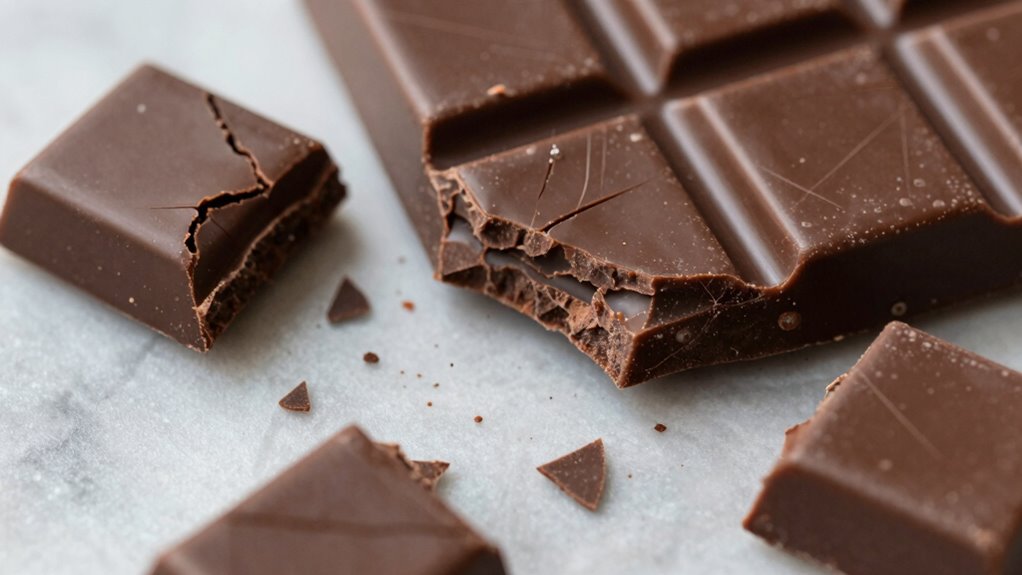
Even a tiny temperature mistake can ruin your chocolate work, and understanding why is essential for success. Chocolate is highly sensitive to temperature changes, and the way you handle it during tempering directly impacts its final appearance and texture. Mastering tempering techniques involves controlling the heat precisely to guarantee the cocoa solids and cocoa butter form a stable crystalline structure. If you stray even slightly from the recommended temperature ranges, the crystals won’t develop properly, leading to dull, streaky, or greasy-looking chocolate that won’t set correctly. This is why accuracy with temperature control is crucial.
Ingredient quality also plays a significant role in how forgiving your chocolate will be of small errors. High-quality chocolate with a high cocoa butter content tends to be more resilient during tempering, giving you a bit more room for minor mistakes. Conversely, lower-quality chocolate with added fats or stabilizers can be more temperamental and prone to blooming or separation if even slightly overheated or underheated. Choosing good ingredients means you’re giving yourself the best chance to achieve a glossy, firm finish, even if your temperature control isn’t perfect.
When you’re working with tempering techniques, it’s imperative to use a reliable thermometer and monitor your chocolate constantly. Don’t guess or rely on visual cues alone; digital or infrared thermometers provide the precision needed. Many beginners make the mistake of rushing the process or trying to melt all the chocolate at once, which increases the risk of overheating. Instead, you should melt the chocolate gradually, maintaining a steady temperature, then cool and reheat it to specific points. This method ensures the formation of stable crystals, a process that requires patience and precise temperature regulation. Small temperature errors often happen during these steps—either overheating during melting or cooling too quickly—and both can compromise the final product. Controlling temperature fluctuations is key to consistent, professional results.
If your chocolate develops a dull appearance, streaks, or a greasy feel, it’s a sign that something went wrong with the tempering process, often because of small temperature miscalculations. The good news is that with practice and attention to detail, you can minimize these errors. Regularly check your thermometer, measure your ingredients carefully, and follow precise tempering techniques. Additionally, understanding the importance of crystalline structure formation can help you troubleshoot and refine your process for better results. Remember, maintaining consistent, exact temperatures is what separates professional-quality chocolate from amateur attempts. In the end, mastering the art of temperature control guarantees your chocolate will be shiny, smooth, and perfectly set—proof that even small temperature errors can be managed with the right techniques and ingredient quality. Proper temperature control is an essential skill for achieving the ideal crystalline structure and flawless finish in chocolate work. Being aware of temperature fluctuations and how they affect the crystalline formation can help you troubleshoot and improve your process.
As an affiliate, we earn on qualifying purchases.
Frequently Asked Questions
How Does Humidity Affect Chocolate Tempering?
Humidity impact is significant in chocolate tempering because excess moisture can cause the chocolate to seize or develop a dull appearance. You need to focus on moisture control, guaranteeing your environment stays dry and consistent. High humidity raises the risk of sugar bloom and prevents proper crystallization, so keep your workspace well-ventilated and avoid sudden temperature changes. Proper humidity management ensures smooth, glossy, perfectly tempered chocolate.
Can Small Temperature Errors Ruin Homemade Chocolate?
A stitch in time saves nine—small temperature errors can indeed ruin your homemade chocolate. You need strict temperature stability during tempering, as even tiny fluctuations can cause blooming or dullness. Proper chocolate storage helps maintain that stability, preventing unwanted crystallization. Pay close attention to your temperature control; even minor mistakes can compromise the glossy finish and smooth texture you’re aiming for. Stay precise, and your chocolate will turn out perfect every time.
What Tools Help Maintain Precise Chocolate Temperatures?
To keep your chocolate at the perfect temperature, you need reliable tools like a high-quality digital thermometer and a thermometer calibration kit. Proper chocolate storage in a cool, consistent environment prevents temperature fluctuations. Regularly calibrate your thermometer to guarantee accuracy, as even small errors can cause issues. These tools help you monitor and maintain precise temperatures, ensuring smooth tempering and glossy, well-textured chocolate every time.
How Quickly Does Chocolate Quality Deteriorate With Temperature Fluctuations?
Chocolate quality deteriorates rapidly with temperature fluctuations, often within minutes to hours, if temperature stability isn’t maintained. Small changes can cause blooming or texture issues, compromising quality preservation. To keep chocolate in top shape, you must monitor and control temperature precisely throughout the process. By maintaining consistent temperature, you guarantee the chocolate remains glossy, smooth, and flavorful, preventing deterioration and preserving its quality for longer periods.
Are There Specific Chocolate Types More Sensitive to Temperature Errors?
You’ll find that darker chocolates are more sensitive to temperature errors, impacting both flavor and texture consistency. Milk and white chocolates, with their higher milk and sugar content, are slightly more forgiving but still require precise temperature control. Small errors can cause blooming or graininess, ruining the smooth chocolate flavor and texture. To guarantee perfect results, monitor your chocolate carefully, as even minor temperature fluctuations can considerably affect your final product.
infrared food thermometer for chocolate tempering
As an affiliate, we earn on qualifying purchases.
As an affiliate, we earn on qualifying purchases.
Conclusion
Remember, even tiny temperature mistakes can shatter your chocolate dreams like delicate glass. Small errors ripple through your work, turning smooth, glossy surfaces into dull, cracked landscapes. Think of your thermometer as a trusted friend guiding you through a delicate dance—when it slips, the whole performance falters. Stay vigilant, embrace patience, and treat your chocolate with the care it deserves. Because in the world of chocolate, precision is the key to revealing perfection’s sweet, elusive kiss.
As an affiliate, we earn on qualifying purchases.
professional chocolate melting pot
As an affiliate, we earn on qualifying purchases.
As an affiliate, we earn on qualifying purchases.
Fall Picks
fall essentials
As an affiliate, we earn on qualifying purchases.