
You might see a cake looking finished long before it’s stable because decorators often use fondant smoothing and piping to create a sleek, polished appearance quickly, hiding internal weaknesses or unfinished layers. These techniques improve the cake’s visual appeal but don’t fix structural issues. Rushing to finish can mask problems that need proper setting and patience to make certain of stability. Stay with us to discover how to balance beauty with durability behind a beautifully decorated cake.

Get baking supplies delivered free with Prime
- Fast, free delivery on millions of items
- Prime Video, Amazon Music and more included
- Member-only deals all year
Key Takeaways
- Fondant smoothing and piping create a polished appearance that masks internal structural weaknesses.
- Decorative techniques conceal imperfections, making the cake look finished before it’s fully set or stable.
- Visual perfection achieved through decoration does not guarantee internal stability or strength.
- Proper setting time allows internal layers to stabilize, ensuring the cake maintains its shape when cut.
- Rushing to decorate can give an illusion of readiness, even if the internal structure is still fragile.

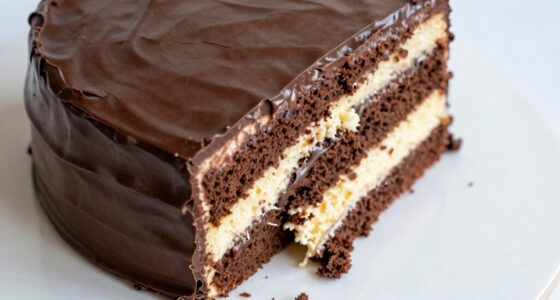
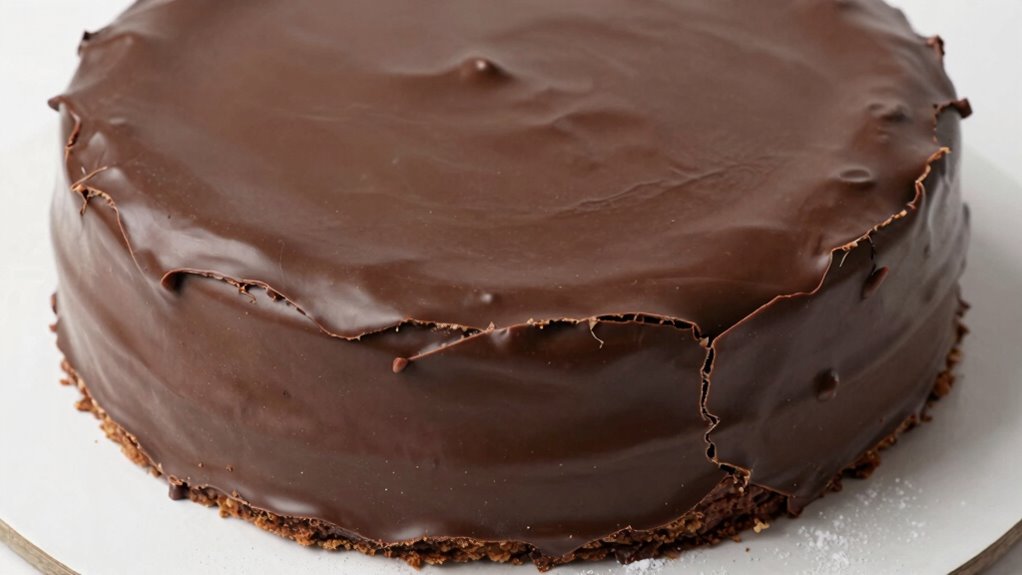
You might have noticed that some cakes appear perfectly finished and ready to serve long before they’re actually stable enough to hold their shape. This often happens because of the way certain decorating techniques, like fondant smoothing and decorative piping, give an illusion of completeness. When you’re working with fondant, you can quickly achieve a sleek, flawless surface that makes the cake look polished and professional. Fondant smoothing involves carefully pressing and stretching the fondant over the cake, eliminating imperfections and creating a seamless finish. It’s a fast process that makes the cake look finished, even if the internal structure isn’t fully set or stable yet.
Fondant smoothing creates a polished look quickly, but internal stability may still need time to set properly.
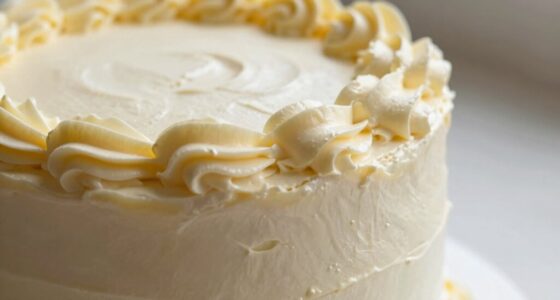
Decorative piping is another technique that can make a cake look complete in no time. Using piping tips and stiff icing, you can create intricate borders, flowers, or designs that give a professional appearance. These decorative elements are often added after the cake has been assembled, making it look finished and ready for display. However, while piping and fondant smoothing provide a visual sense of completeness, they don’t necessarily mean the cake is structurally stable. The internal layers may still be settling or gaining strength, especially if the cake is freshly baked or has been assembled just before decorating.
The key is understanding that these decorative techniques are primarily aesthetic. They mask any structural weaknesses or imperfections inside the cake. For instance, a cake with a smooth fondant exterior might still be fragile if the layers haven’t set properly or if the filling is too soft. Similarly, elaborately piped decorations can be delicate and prone to damage if the cake isn’t fully stabilized. It’s tempting to cut into a cake that looks perfect on the surface, but doing so too early can cause it to collapse or lose its shape. That’s why many bakers recommend giving the cake time to settle, even if it looks finished and perfect.
Allowing the cake to set properly helps the internal structure to gain the necessary strength before slicing. In short, fondant smoothing and decorative piping are powerful tools that help you create a visually stunning cake quickly. They give the appearance of a finished product, but you need to be patient with the internal stability. Waiting until the cake is properly set ensures that it holds its shape when cut and served. Additionally, understanding the importance of internal stability can help bakers avoid common mistakes and ensure their cakes are as durable as they look. Recognizing how decorative techniques can sometimes conceal structural issues is crucial for achieving a successful presentation. A proper settling time allows the internal structure to strengthen and reduces the risk of damage when serving. Furthermore, patience with the entire process is essential for achieving the best results. The beauty of a well-decorated cake isn’t just in how it looks, but in how it holds together when it’s finally time to enjoy it.
As an affiliate, we earn on qualifying purchases.
Frequently Asked Questions
How Can I Tell if a Cake Is Fully Cooked Inside?
You can tell your cake is fully cooked inside when a toothpick inserted into the center comes out clean, with no batter sticking to it. Check for even rising and a firm texture. Once cooled, add your cake decorations, and guarantee the flavor consistency is balanced throughout. If the outside looks finished but the inside is still raw, it’s tempting to decorate early, but wait until it’s fully baked to avoid messing up your design.
What Are Common Signs of an Unstable Cake?
A cake’s instability is like a house of cards ready to fall; you’ll notice it tilts or sinks, especially around the edges. Cracks or wobbliness signal weakness, and when you gently shake it, it may feel loose or shift. During cake decorating, unstable layers can collapse, ruining your design and flavor enhancement efforts. Keep an eye out for these signs to guarantee your cake’s structural integrity before proceeding.
Does a Shiny Crust Mean a Cake Is Done?
A shiny crust on your cake doesn’t necessarily mean it’s done. It often results from the baking process, especially with sugar or egg washes, or certain frosting techniques that create a glossy finish. To guarantee your cake is fully baked, check the internal temperature or insert a toothpick—if it comes out clean, it’s ready for decoration. Rushing to decorate a shiny, underdone cake can compromise your frosting and overall stability.
How Does Oven Temperature Affect Cake Stability?
Oven temperature has a huge impact on your cake’s stability, almost like a rollercoaster ride! If your oven’s calibration is off or there’s temperature variance, your cake might look perfect on the outside but still be unstable inside. Too hot, and it’ll rise too quickly, collapsing later; too cool, and it won’t set properly. Keep your oven calibrated for consistent heat, ensuring your cake is both beautiful and stable from start to finish.
Can Cake Appearance Be Deceptive During Cooling?
Yes, cake appearance can be deceptive during cooling. You might see a beautifully decorated frosting that looks finished, but the cake isn’t fully stable yet. The cooling process allows moisture and structure to settle, affecting the flavor profile and stability. Rushing to decorate or slice too early can cause cracks or smudges, making it look less appealing. Give it time for the cake to set properly before final touches.
As an affiliate, we earn on qualifying purchases.
Conclusion
So, next time you bake, remember that a cake’s appearance isn’t always its stability. Over 60% of bakers have seen cakes look finished but still collapse or sink later. Don’t depend solely on looks—use a toothpick or skewer to check doneness. Patience is key; waiting a little longer ensures your cake not only looks perfect but holds its shape. Trust your instincts, and you’ll always end up with a delicious, stable masterpiece.
As an affiliate, we earn on qualifying purchases.
As an affiliate, we earn on qualifying purchases.
Halloween Picks
halloween
As an affiliate, we earn on qualifying purchases.