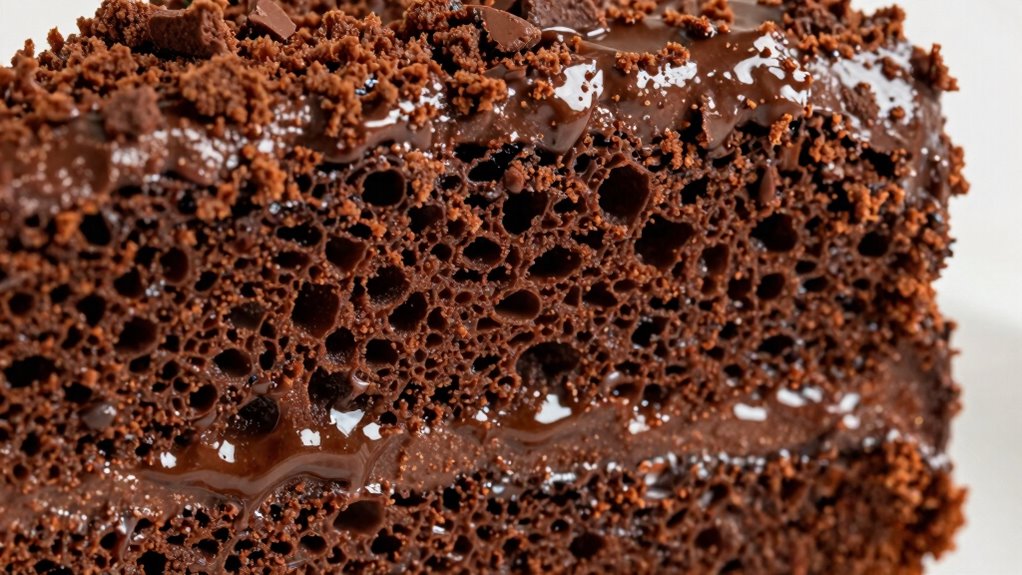
If your moist cakes feel heavy instead of soft, it’s often due to overlooked factors like oven temperature, ingredient quality, or mixing technique. Using old leavening agents, overmixing batter, or baking at the wrong temperature can prevent proper rising and cause dense textures. Too much moisture or improper ingredient balance also weighs down the cake. To avoid this, carefully control each step and pay attention to details—your cake’s lightness depends on it. Keep going to uncover more tips.

Get baking supplies delivered free with Prime
- Fast, free delivery on millions of items
- Prime Video, Amazon Music and more included
- Member-only deals all year
Key Takeaways
- Overmixing batter develops gluten, resulting in a denser, heavier cake texture.
- Using old or ineffective leavening agents reduces proper rising, making the cake feel heavy.
- Incorrect oven temperature can prevent proper leavening, causing a moist but dense crumb.
- Excess moisture or improper ingredient balance weighs down the cake, reducing softness.
- Poor mixing techniques or inconsistent process can lead to uneven density and heaviness.
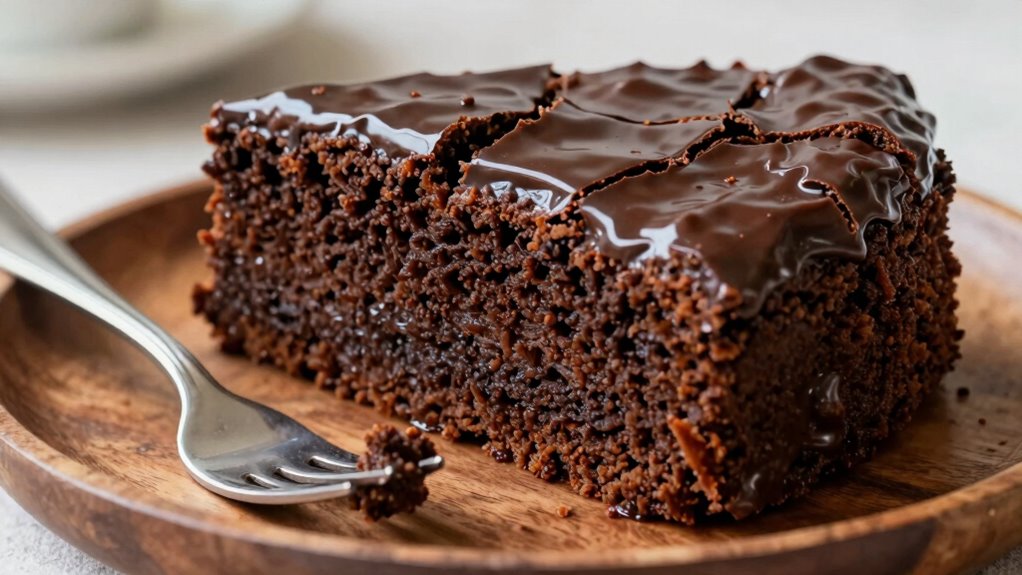
Moist cakes often feel heavy because of the ingredients and techniques used in their preparation. When you’re baking, it’s easy to assume that a moist texture automatically means a light, airy cake, but that’s not always the case. Sometimes, despite the moisture, the cake ends up dense and heavy, which can be frustrating. One key factor that influences this is baking temperature. If your oven runs hot or if you set the temperature too high, your cake batter can overexpand quickly and then collapse, resulting in a dense crumb. Conversely, baking at too low a temperature might prevent the batter from rising properly, leaving you with a cake that feels dense and compact. The ideal baking temperature ensures the leavening agents work correctly, giving your cake just the right rise without overdoing it. Proper oven calibration can help prevent temperature inconsistencies that cause uneven baking and density issues. Additionally, oven calibration is crucial for maintaining consistent temperatures and achieving optimal baking results.
Proper baking temperature is key to preventing dense, heavy cakes and achieving the perfect rise.
Another critical aspect is ingredient quality. Using fresh, high-quality ingredients makes a significant difference in the texture of your cake. For example, fresh baking powder and baking soda are essential—they’re what create the lift, and if they’re old or expired, your cake won’t rise properly, leading to a heavier texture. Similarly, the quality of flour impacts the cake’s lightness. All-purpose flour with a higher protein content can make your cake denser if you’re not careful. Opting for cake flour, which has a lower protein content, can help produce a softer, more tender crumb. The fats you use also matter; butter provides richness and helps with moisture, but if you use margarine or lower-quality fats, the cake might not develop the desired tenderness. Additionally, the way you mix your ingredients influences the final texture. Overmixing can develop too much gluten, resulting in a tougher, heavier cake. Gently folding your ingredients just until combined prevents this. The moisture level in your batter matters too—too much liquid can weigh the cake down, especially if the other ingredients aren’t balanced properly. Properly measuring your ingredients and understanding ingredient freshness can help you troubleshoot common issues with dense cakes. Ensuring the batter has the right moisture balance also plays a crucial role in achieving a light, moist crumb. Paying attention to baking techniques and consistency in your process will further help you create cakes that are moist yet tender every time.
As an affiliate, we earn on qualifying purchases.
Frequently Asked Questions
Can Overmixing Batter Cause a Dense Cake Texture?
Yes, overmixing batter can cause a dense cake texture. When you mix too much, you develop gluten, which makes the batter tougher and results in a heavier cake. Proper mixing techniques guarantee your batter stays smooth and airy, maintaining the right batter consistency. To avoid density, mix just until ingredients are combined, and be gentle to preserve the lightness and moisture that make your cake soft and tender.
Does Using Too Much Flour Make Cakes Heavy?
Using too much flour can make your cakes heavy because it adds density and absorbs moisture, reducing the overall lightness. Notably, cakes stored improperly or made with stale ingredients tend to become dense faster, losing their softness. To keep your cakes light, ensure ingredient freshness and store them properly. Balancing flour and moisture is key; too much flour overwhelms the delicate structure, resulting in a heavier, less tender cake.
How Does Oven Temperature Affect Cake Density?
You can influence cake density by adjusting oven temperature, as higher heat can cause the batter to rise quickly then collapse, making it dense. Lower temperatures allow for even rising and better crumb structure. To prevent this, try alternative baking techniques, like using a fan oven or baking at a slightly lower temp. Also, guarantee proper cake cooling methods—cooling in the pan briefly then on a wire rack—to avoid excess moisture that can weigh down your cake.
Can Substitution of Ingredients Change Cake Weight?
Did you know that substituting ingredients can change a cake’s weight by up to 20%? Yes, swapping butter for applesauce or using low-fat dairy alters moisture and density, impacting cake flavor and texture. Your baking techniques also matter; overmixing can cause a heavy, dense crumb. So, choose your ingredients carefully and follow proper methods to guarantee your cake stays light, tender, and flavorful.
Is It Better to Use Oil or Butter for Moist Cakes?
Using oil instead of butter often results in a moister, softer cake because oil retains moisture better. Oil also enhances cake flavor subtly, making it richer and more tender. Make sure your ingredients are fresh to maximize this effect. Butter can add a distinct flavor but may make the cake slightly denser. Ultimately, choosing between oil or butter depends on your desired moistness and flavor profile for the cake.
As an affiliate, we earn on qualifying purchases.
Conclusion
So, next time your moist cake feels heavier than expected, remember it’s not just about the ingredients—it’s about balance. Think of the batter as a delicate dance; too much of one step can tip the rhythm. By understanding the cause, you hold the power to perfect your recipe. After all, isn’t it sweeter when your cake rises to the occasion, light and airy, just as you envisioned? Keep experimenting and enjoy the delicious journey!
As an affiliate, we earn on qualifying purchases.
As an affiliate, we earn on qualifying purchases.
Columbus Day / Indigenous Peoples' Day Picks
long weekend sales
As an affiliate, we earn on qualifying purchases.