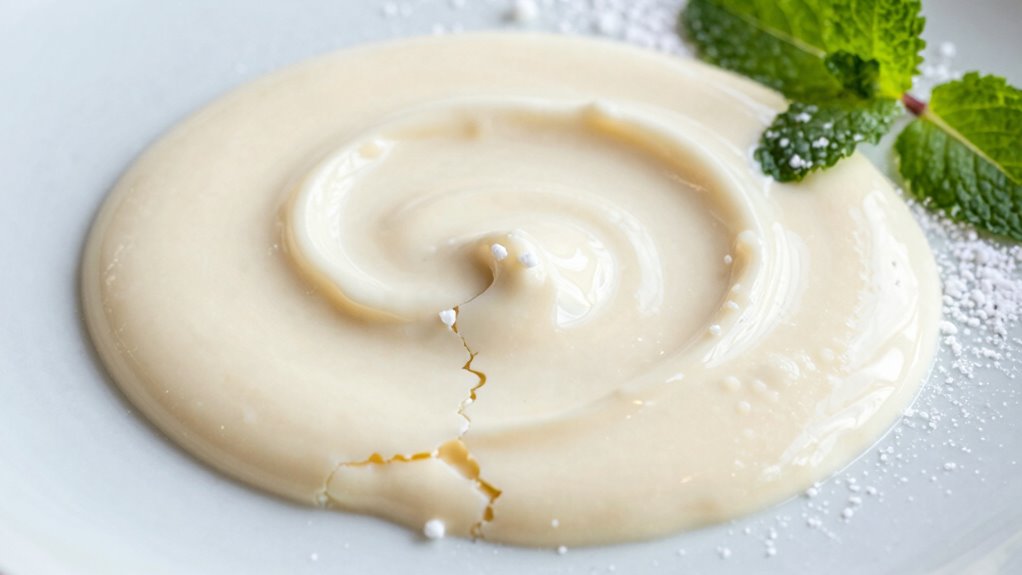

If your dessert cream sauce curdles, it’s often due to overheating the cream. When cream gets too hot quickly or reaches high temperatures, fats and proteins seize and separate, causing curdling. To prevent this, keep the heat low and gentle, and add cream gradually while stirring constantly. Using indirect heat or a double boiler helps maintain a consistent temperature. If you want to learn how to avoid this mistake and perfect your sauce, keep exploring more tips.
Key Takeaways
- Overheating cream causes fats and proteins to seize, leading to curdling in dessert sauces.
- Using high heat or rapid temperature changes during mixing promotes sauce separation.
- Maintaining gentle, low temperatures prevents the cream from curdling and keeps the sauce smooth.
- Gradually warming cream and avoiding boiling helps prevent curdling in dessert sauces.
- Monitoring temperature with a thermometer ensures the sauce stays below 180°F to avoid separation.
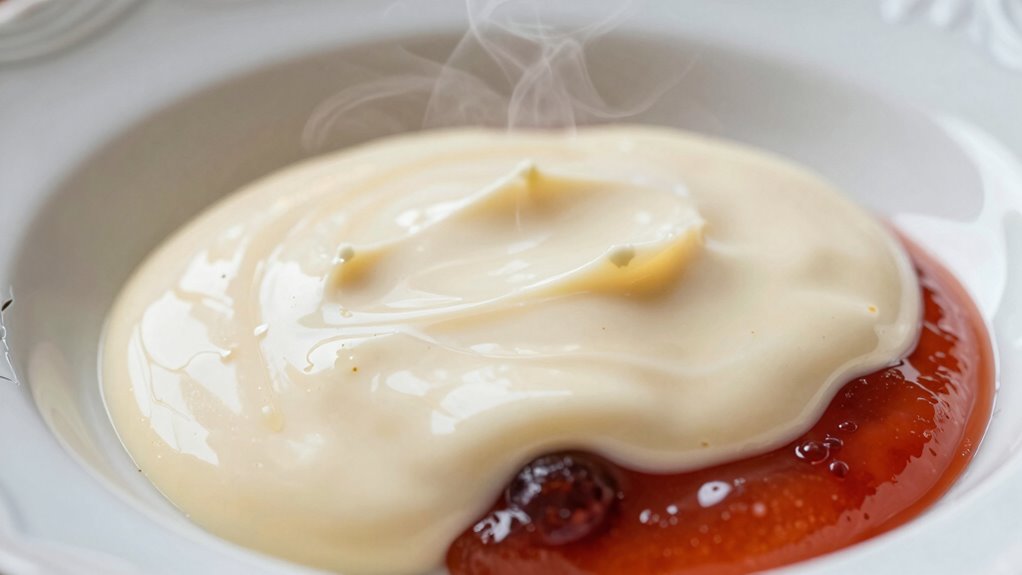
A curdled cream sauce can be frustrating, but understanding what causes the separation allows you to fix or prevent it. One common culprit is improper temperature control, which directly affects sauce thickening and the overall texture. When you’re making a cream-based dessert, it’s vital to keep the heat at the right level. Too high, and the sauce will heat too quickly, causing the fats and proteins to seize and separate. This results in that undesirable curdled appearance and texture. If you notice the sauce starting to thicken unevenly or look grainy, it’s a sign the temperature is too hot, and you need to lower the heat immediately.
To avoid this, always use gentle, controlled heat when cooking your cream sauces. A double boiler can be your best friend because it provides indirect heat, reducing the risk of overheating. When you add cream to your mixture, do so gradually while stirring constantly. This slow incorporation helps maintain an even temperature and promotes smooth sauce thickening. Remember, patience is key—rushing the process by increasing heat can lead to curdling and separation.
Use gentle heat and gradual cream addition with constant stirring to prevent curdling.
Another aspect of temperature control is making certain ingredients are at the right temperature before mixing. Cold cream added to hot liquids can cause sudden curdling, so let your cream sit at room temperature for a few minutes before pouring it into the sauce. Similarly, if you’re combining dairy with other ingredients like chocolate or eggs, tempering them by warming slowly ensures they blend seamlessly without causing the sauce to break. Proper temperature management is essential to prevent these issues and achieve a silky, well-incorporated sauce.
Monitoring the sauce’s temperature closely helps you maintain ideal conditions for sauce thickening. Using a kitchen thermometer can be a game-changer here. Aim to keep the sauce below 180°F (82°C); once it exceeds this point, the risk of curdling increases greatly. If the sauce begins to bubble vigorously or shows signs of separation, remove it from heat immediately. Cooler temperatures stop the breakdown of proteins and fats, allowing you to save a potentially ruined dessert.

Alpha Grillers Meat Thermometer Digital – Instant Read Food Thermometer for Cooking & Grilling – Professional Kitchen Gift for Men, Dad & Mom
Instant Read Food Thermometer | Our instant read thermometer features a temperature probe and advanced, highly accurate technology…
As an affiliate, we earn on qualifying purchases.
As an affiliate, we earn on qualifying purchases.
Frequently Asked Questions
Can Curdling Occur With Non-Dairy Cream Sauces?
Yes, curdling can happen with non-dairy cream sauces. Dairy alternatives, like plant-based creams, are more prone to curdling if they’re exposed to high heat or sudden temperature changes. To prevent this, heat your plant-based creams gently and avoid boiling. Stir constantly, and add acidity gradually. Proper handling guarantees your dairy-free sauces stay smooth and creamy, even when heated or combined with acidic ingredients.
How Does Sugar Affect Cream Sauce Stability?
Sugar influences cream sauce stability by promoting sugar crystallization, which can cause graininess, and by affecting caramelization effects, leading to a darker, thicker sauce. When you add sugar, it dissolves and interacts with the cream, potentially destabilizing the emulsion. To maintain smoothness, stir consistently, add sugar gradually, and control heat to prevent unwanted crystallization or caramelization, ensuring your sauce stays silky and well-incorporated.
What Are Alternative Thickening Methods?
If you want alternative thickening methods, try using cornstarch, gelatin, or arrowroot powder—these are effective alternative thickeners. Natural stabilizers like xanthan gum or agar-agar also work well to thicken and stabilize your cream sauces without curdling. Add small amounts gradually, stirring constantly to achieve the desired consistency. These options help prevent temperature-related issues and keep your dessert smooth and creamy.
Can You Fix a Curdled Sauce?
If your sauce has curdled, you can often fix it by gently whisking in a small amount of cream or warm milk to help with cream stabilization. Avoid boiling, as high heat worsens curdling. You might also try adding a bit of emulsifier like egg yolk or cornstarch slurry to improve sauce emulsification. Keep the heat low and stir continuously until the sauce smooths out.
Does the Type of Cream Influence Curdling Risk?
Think of your cream as a delicate dance partner—some are graceful, others more prone to stumble. The type of cream, influenced by its composition and dairy fat content, directly affects the risk of curdling. Heavy cream with higher dairy fat is more stable and less likely to curdle, while lighter creams can be more temperamental. Selecting the right cream helps make certain your sauce stays smooth and elegant.
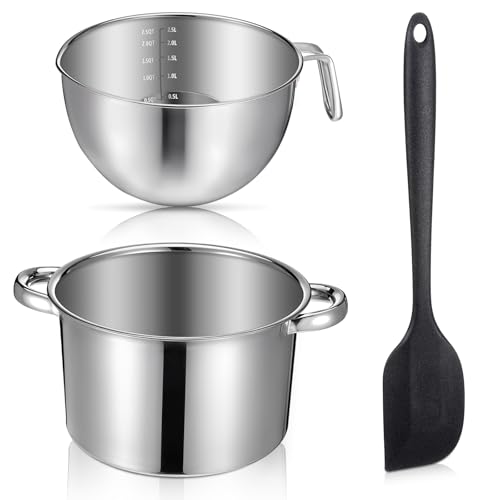
3-Piece Double Boiler, Chocolate Melting Pot Set Include 2500ml/2.3QT Mixing Bowl and 4000ml/3.63qt Stainless Steel Pot, Silicone Spatula, For Candy, Soap Wax Candle Making Supplies, Induction Safe
Dual-Purpose Design: Large pot (4000ML/3.63QT) directly heats soups/veggies while fitted upper bowl (2500ml/2.3QT) gently melts wax, butter, or…
As an affiliate, we earn on qualifying purchases.
As an affiliate, we earn on qualifying purchases.
Conclusion
So, after all that, it’s ironic how a simple mistake like heating your cream too quickly can turn a silky sauce into a lumpy mess. You’d think mastering desserts would be foolproof, but sometimes the tiniest temp slip-up ruins the magic. Next time, remember: patience is key. Because nothing quite stings like realizing your perfect dessert is ruined just because you didn’t respect the gentle heat. It’s a bitter lesson in sweet perfection.
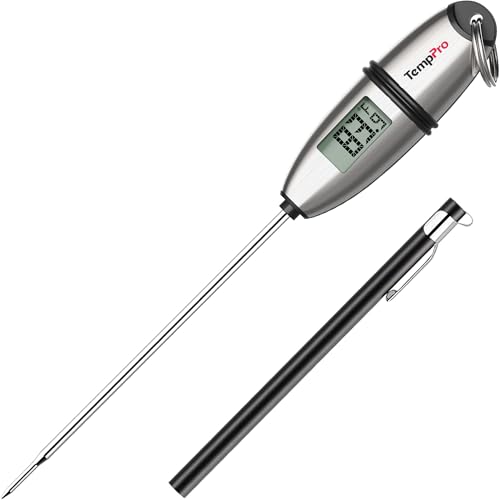
TempPro TP02S Digital Food Thermometer for Cooking Bread Baking Sourdough Liquids, Meat Thermometer Digital with Super Long Probe for Kitchen BBQ Yogurt Candy Making Accessory (Previously ThermoPro)
Fast and Accurate Reading: Kitchen thermometer for cooking features a 1 to 3 second readout speed and high…
As an affiliate, we earn on qualifying purchases.
As an affiliate, we earn on qualifying purchases.

Farberware Smart Control Nonstick Sauce Pan/Saucepan with Lid, 2 Quart, Black
IN CONTROL COOKWARE: Farberware Smart Control saucepan features a tempered glass lid with an innovative vent in the…
As an affiliate, we earn on qualifying purchases.
As an affiliate, we earn on qualifying purchases.