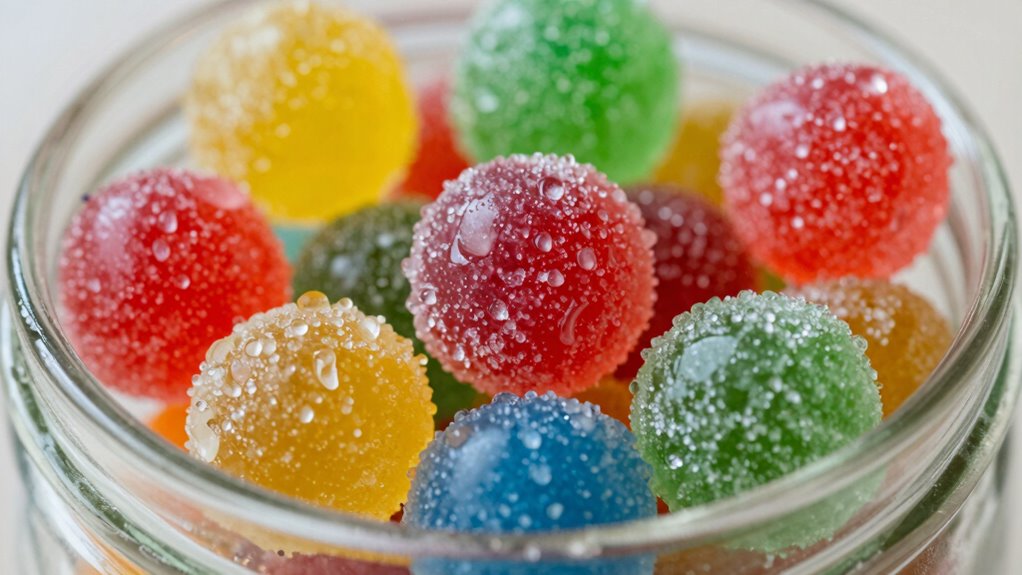
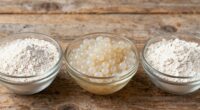
Humidity causes your candy to absorb moisture from the air, making it sticky and soft overnight. When the humidity level rises, water molecules move into the sugar structure, dissolving and sometimes recrystallizing sugar, which results in a clumpy or shiny surface. Candies like gummies, chocolates, or caramels are especially vulnerable. Proper storage can prevent this, and if you keep exploring, you’ll discover simple tips to keep your treats fresh and firm.

Get baking supplies delivered free with Prime
- Fast, free delivery on millions of items
- Prime Video, Amazon Music and more included
- Member-only deals all year
Key Takeaways
- High humidity causes water vapor to transfer into candies, making them sticky and soft overnight.
- Moisture absorption dissolves and recrystallizes sugar, altering candy texture and leading to clumping.
- Porous or poorly sealed packaging accelerates moisture intake, increasing stickiness.
- Candies like gummies and chocolates are especially vulnerable to humidity-induced softening and surface moisture.
- Proper storage in airtight containers and cool, dry environments prevents overnight stickiness caused by humidity.
How Sugar and Moisture Interact in Candies

When humidity rises, sugar in candies absorbs moisture from the air, causing it to become sticky. As moisture migrates into the candy, sugar molecules dissolve and then re-crystallize on the surface, a process known as sugar crystallization. This continuous cycle results in a sticky, clumpy texture. The moisture moves from the air into the candy’s surface layers, weakening the sugar’s structure. Understanding the science behind this process helps you see how humidity directly impacts candy consistency. When you handle candies in humid environments, you’re fundamentally facilitating this moisture transfer, which accelerates sugar crystallization and leads to the sticky, unwelcome result. Proper storage techniques and environmental control are essential for maintaining the desired texture and preventing moisture-related issues.
Why Humidity Makes Candy Absorb Water
Humidity increases the amount of water vapor in the air, creating a moist environment around your candies. When the air is humid, water molecules tend to move from the environment into the candy’s surface, causing it to absorb moisture. This process is driven by the difference in water activity between the candy and the air; the higher the humidity, the more water your candy will draw in. As a result, candies become sticky and lose their original texture. To prevent this, humidity control is essential, especially in storage areas. Proper humidity management minimizes candy dehydration and helps maintain the desired consistency. Without it, candies are prone to moisture absorption, leading to that undesirable sticky surface you’re trying to avoid. Maintaining optimal net+ certification benefits in storage environments can also help manage humidity levels effectively. Implementing environmental controls ensures a more stable atmosphere, reducing the risk of moisture-related issues. Additionally, regularly monitoring humidity levels can help detect and address changes before they affect your candies. Ensuring proper storage conditions plays a crucial role in preventing candy from becoming overly sticky or deteriorating over time.
Which Candies Are Most Vulnerable to Humidity
Certain candies are more prone to humidity issues than others. Gummies tend to soften quickly, while caramels may melt or become sticky, and chocolates often sweat or develop a glossy surface. Knowing which candies are most vulnerable helps you protect them better from moisture damage. For example, the moisture sensitivity of different candies can vary depending on their ingredients and packaging, making it important to store them properly. Additionally, understanding candy composition can aid in selecting appropriate storage methods to extend their freshness. To prevent humidity-related spoilage, consider using airtight containers and keeping candies in a cool, dry place away from direct moisture exposure.
Softening of Gummies
Gummies are especially prone to softening when exposed to moisture, making them the most vulnerable candies in humid environments. As they absorb water, their texture changes from firm to sticky or even mushy, disrupting the enjoyable bite you expect. This softening often leads to a noticeable texture change that can make gummies less appealing. Additionally, moisture exposure causes flavor loss, dulling the fruity or sweet taste that makes gummies so tempting. The absorbed humidity dissolves some of the flavor compounds, diminishing their intensity. If you leave gummies in a humid place, you’ll notice they become overly soft and less flavorful, which can ruin the candy-eating experience. Proper storage is essential to maintain their original texture and flavor, avoiding these humidity-induced issues. Understanding proper storage techniques can help preserve their quality over time. Using airtight containers is especially effective at protecting gummies from humidity and maintaining their ideal texture and flavor. Keeping candies in humidity-controlled environments can further prevent unwanted softening and flavor degradation.
Melting of Caramels
When candies absorb moisture, their textures can change dramatically, leading to issues beyond just softening. Caramels are particularly vulnerable to humidity because excess moisture causes them to melt or become overly sticky. This moisture accelerates candy crystallization, which alters the smooth, creamy texture you expect. As crystallization occurs, the caramel’s consistency becomes grainy or runny, compromising flavor retention. You might notice your caramel melting faster than usual or losing its shape altogether. High humidity can also cause surface sweating, making the candy appear shiny and sticky. Proper storage in airtight containers is essential to prevent moisture infiltration. To prevent this, store caramels in airtight containers away from humidity. Proper storage helps maintain their intended texture and flavor, keeping your caramel candies enjoyable for longer. Additionally, understanding the role of quality assurance in storage conditions can help ensure candies remain in optimal condition over time. Ensuring consistent storage environments plays a crucial role in preserving candy quality and preventing unwanted changes.
Sweating of Chocolates
Chocolates are especially prone to sweating when exposed to high humidity because their cocoa butter content causes surface moisture to condense quickly. When humidity control isn’t maintained, chocolates develop a white film called bloom, which affects their appearance and texture. This phenomenon is similar to how humidity levels impact other sensitive products, emphasizing the importance of proper storage conditions. Proper storage methods, including air-tight containers, are crucial for maintaining optimal humidity levels and preventing deterioration. This sweating occurs as moisture from the air interacts with the cocoa butter, creating a sticky surface. To preserve your chocolates, store them in airtight containers and keep the environment cool and dry. Additionally, controlling storage humidity can significantly extend the shelf life of your confections. Moreover, understanding the body’s response to environmental factors can help you better protect delicate treats from humidity-related damage. Maintaining consistent temperature and humidity levels is essential for preventing moisture buildup and preserving the quality of your candies.
How Sugar Levels Influence Candy Stickiness
Your candy’s stickiness depends heavily on its sugar saturation levels, which determine how much moisture it can absorb. When sugar levels are high, the candy attracts more moisture from the environment, increasing its stickiness. Additionally, smart humidity sensors can monitor environmental moisture levels, helping to predict and prevent candies from becoming overly sticky. Understanding these moisture absorption dynamics helps explain why some candies turn sticky faster than others, especially in humid conditions that favor moisture transfer.
Sugar Saturation Levels
Sugar saturation levels directly impact the stickiness of candy, especially as humidity fluctuates. When sugar content is high, moisture from the environment can cause sugar molecules to dissolve and then recrystallize, leading to increased stickiness. This process, known as sugar crystallization, is influenced by moisture migration within the candy. If the sugar level is too low, the candy can become dry and brittle. Conversely, overly saturated sugar makes it prone to becoming sticky overnight. Additionally, controlling sugar crystallization during production can help mitigate unwanted stickiness over time. To keep your candy in check, consider:
- Monitoring sugar concentration to prevent excess.
- Ensuring even distribution during manufacturing.
- Minimizing moisture migration by proper storage.
- Adjusting recipes to balance sugar saturation for longevity.
Moisture Absorption Dynamics
When sugar saturation levels are high, the candy’s ability to absorb moisture from its environment increases markedly. This means that as the sugar content rises, your candy becomes more prone to sticky surfaces because it pulls moisture from the air. Moisture absorption directly impacts the candy flavor, often diluting or altering its intended taste. Packaging materials play an essential role here; porous or poorly sealed wrappers allow more humidity to reach the candy, accelerating stickiness. Conversely, airtight packaging slows moisture uptake, keeping your candy firm longer. Understanding these moisture absorption dynamics helps you choose better storage methods, preventing your favorite treats from becoming overly sticky overnight. Proper packaging and controlling humidity levels are key to maintaining excellent candy texture and flavor.
How Temperature and Humidity Together Affect Candy
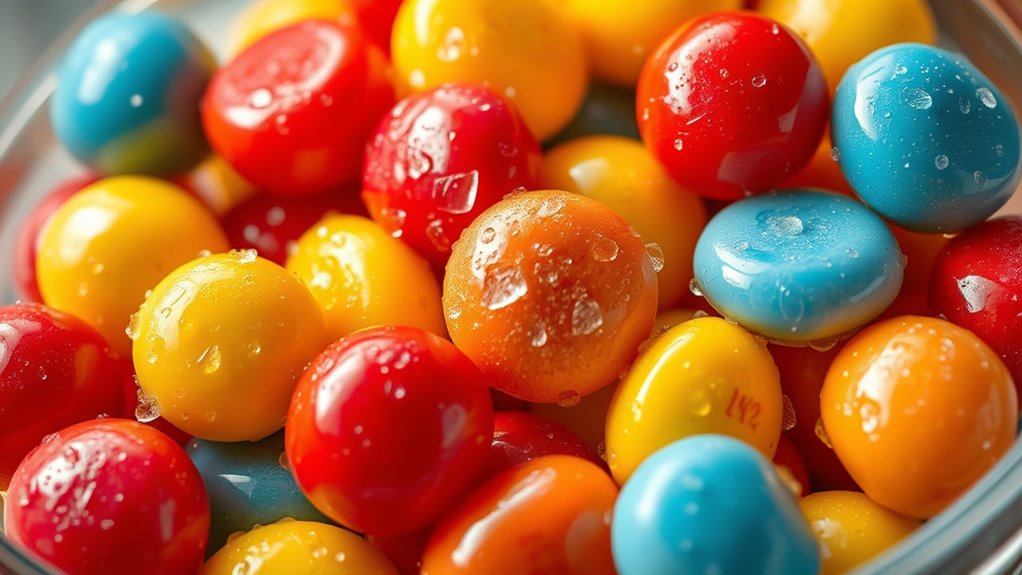
Temperature and humidity work together to considerably influence how candies behave over time. When the ambient temperature is high, candies tend to soften and become sticky faster, especially if air circulation is poor, trapping moisture around them. Conversely, cooler temperatures help keep candies firm, but if humidity is high, they can still absorb moisture and turn sticky. Here’s what you should keep in mind:
High temperature and humidity make candies soften and stickier faster.
- High ambient temperature accelerates softening and stickiness.
- Poor air circulation traps moisture, worsening stickiness.
- Low temperatures slow down moisture absorption.
- Humidity can override temperature effects, causing candies to become sticky even in cooler environments.
Understanding this interaction helps you store candies properly, preventing unwanted stickiness caused by the combined effects of temperature and humidity.
How to Recognize When Candy Is Affected by Humidity
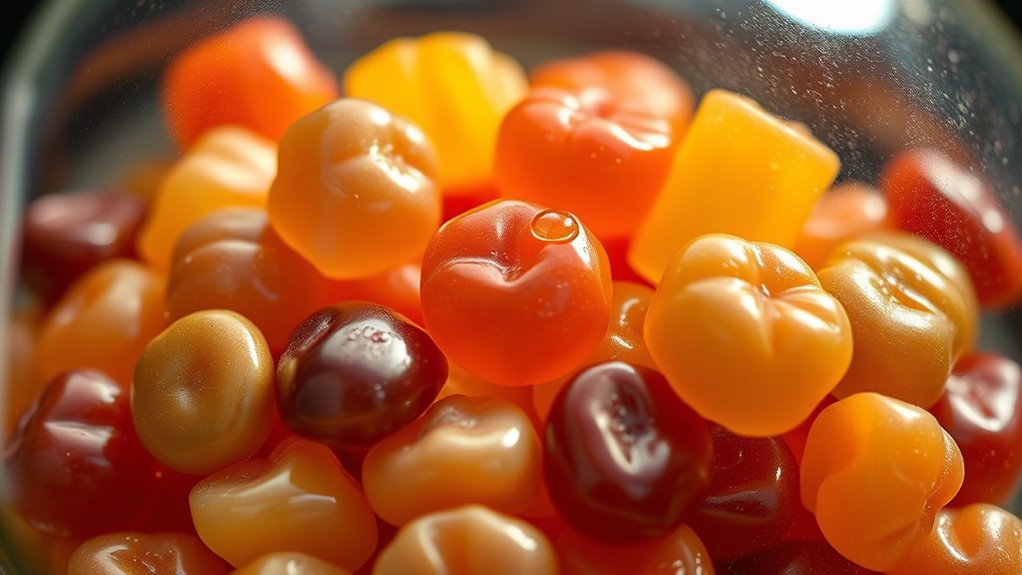
Recognizing when candy has been affected by humidity is essential to maintaining its quality and texture. Keep an eye on changes like stickiness, melting, or a shiny, damp surface—these are signs humidity has compromised your candy. Check the candy packaging for visible moisture or condensation, which indicates excess humidity. Use humidity indicators inside packaging; if they show high moisture levels, your candy is at risk. Also, note any softening or clumping, especially in candies like chocolates or gummies. Regularly inspecting packaging and humidity indicators helps you catch problems early, preventing spoilage or texture loss. Being attentive to these signs ensures your candy stays fresh, tasty, and perfect for sharing or storage.
| Condition | Indicator | Common Affected Candies |
|---|---|---|
| Humidity Exposure | Moisture on surface | Chocolates, gummies, caramel |
| Packaging Changes | Condensation inside packaging | Hard candies, nougats |
| Texture Alteration | Softening or clumping | Licorice, marshmallows |
| Moisture Levels | Humidity indicator color change | All moisture-sensitive candies |
Simple Ways to Keep Candy From Turning Sticky
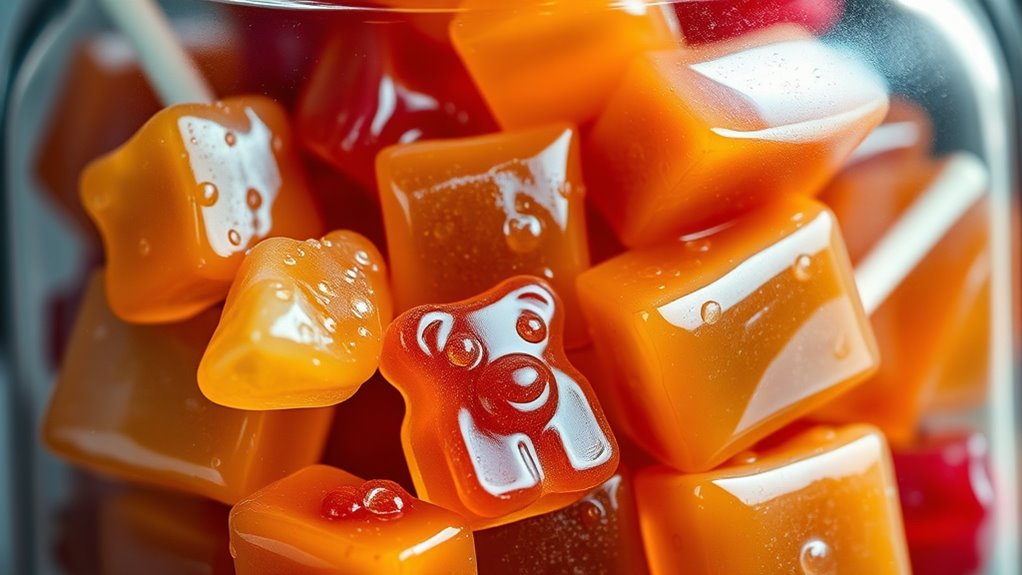
To prevent candy from becoming sticky, storing it properly is key. You can use simple methods to keep your treats fresh and maintain their flavor enhancement.
- Keep candy in airtight containers or resealable bags to minimize exposure to humidity.
- Use silica gel packets or moisture absorbers inside packaging to absorb excess moisture.
- Wrap individual pieces with wax paper or parchment to prevent sticking.
- Invest in packaging innovations like vacuum-sealed bags or resealable containers to extend freshness.
These strategies help maintain the candy’s texture and flavor, reducing stickiness caused by humidity. Proper storage not only preserves quality but also enhances your candy experience. By controlling moisture, you keep your favorite sweets enjoyable longer and avoid unnecessary waste.
Effective Storage Methods to Keep Candy Fresh
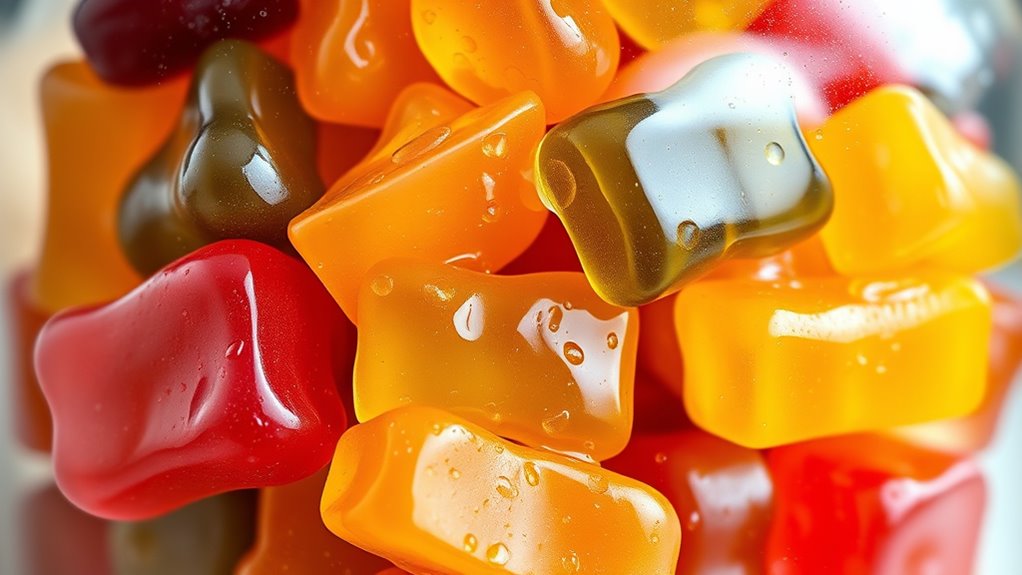
Choosing the right storage methods is essential for keeping your candy fresh and preventing it from becoming sticky. Humidity control is key—store your candy in a cool, dry place away from moisture. Using airtight containers helps maintain a stable environment, preventing excess humidity from seeping in. These containers shield your candy from air exposure, reducing the risk of it absorbing moisture and turning sticky. For candies that are particularly sensitive, consider placing a silica gel packet inside the container to absorb residual moisture. Keep your storage area consistently cool and avoid temperature fluctuations. Properly sealed and stored candies will stay fresh longer and retain their texture. With these effective storage methods, you can enjoy your candy without worrying about it turning sticky overnight.
Frequently Asked Questions
Can Humidity Affect Candies Stored in Airtight Containers?
Yes, humidity effects can still impact candies stored in airtight containers. Even in sealed environments, moisture can seep in or condense, making candies sticky or chewy. To preserve your candy’s quality, guarantee containers are airtight, store them in a cool, dry place, and consider adding desiccant packs. Proper storage prevents humidity effects, keeping your candies fresh and preventing them from turning sticky over time.
How Does Altitude Influence Candy Stickiness?
They say “what goes up must come down,” but in this case, altitude effects can make your candy stickier. At higher elevations, lower air pressure and humidity promote faster candy crystallization, increasing stickiness. This is because reduced atmospheric pressure affects moisture retention, causing candies to absorb more humidity. So, if you’re at altitude, keep your treats sealed tight to prevent them from becoming overly sticky.
Are Homemade Candies More Prone to Humidity Issues?
Yes, homemade candies are more prone to humidity effects because they often lack the commercial preservatives and packaging that help control moisture. The candy texture can quickly become sticky or tacky in high humidity, especially if stored improperly. To prevent this, you should store homemade candies in airtight containers and keep them in a cool, dry place. This helps maintain their desired consistency and prevents unwanted stickiness caused by humidity.
Does the Type of Sugar Used Impact Candy’s Humidity Response?
Think of sugar as the soul of your candy, influencing how it reacts to humidity. The type of sugar you use impacts its response to moisture absorption and sugar crystallization. For instance, corn syrup helps prevent crystallization, reducing stickiness, while pure sucrose might attract more moisture, making your candy sticky overnight. Choosing the right sugar balances moisture, keeping your candy firm and delightful despite humidity’s challenges.
Can Humidity Cause Candy to Develop Mold or Spoilage?
Yes, humidity can cause mold formation on your candy and increase spoilage risk. When moisture gets into the packaging or surface, it creates a perfect environment for mold spores to grow. This can lead to visible mold and make the candy unsafe to eat. To prevent this, store your candy in a cool, dry place and keep it sealed tightly, especially in humid conditions, to minimize exposure to moisture.
Conclusion
Understanding how humidity affects your candy is like tending a delicate garden—you need the right environment to keep everything perfect. By controlling moisture and temperature, you prevent your treats from becoming sticky ruins. Think of your candy as a fragile crystal—exposed to humidity, it can quickly lose its sparkle and shape. With simple storage tricks, you’ll keep your sweet treasures pristine, ensuring they stay as delightful and enticing as a still lake reflecting a clear sky.
Halloween Picks
halloween
As an affiliate, we earn on qualifying purchases.