
If your pie still has a soggy bottom after blind baking, it’s likely due to moisture seeping through a thin crust or improper cooling. Make certain your crust is thick enough and brushed with an egg wash or layer of melted chocolate to create a moisture barrier. Also, confirm you fully cool and pre-bake the crust before adding filling. Paying attention to these details can prevent sogginess, and you’ll find more tips if you continue exploring this issue.

Get baking supplies delivered free with Prime
- Fast, free delivery on millions of items
- Prime Video, Amazon Music and more included
- Member-only deals all year
Key Takeaways
- Inadequate pre-baking or insufficient baking time can leave the crust soggy despite blind baking.
- Using too much moisture in the filling or not draining juices causes moisture to seep into the crust.
- Failing to apply a moisture barrier like egg wash or chocolate can allow liquid to penetrate the crust.
- Uneven rolling or thin spots in the crust may prevent proper baking and moisture resistance.
- Removing the crust from the oven before it is fully cooled can trap moisture, leading to sogginess.
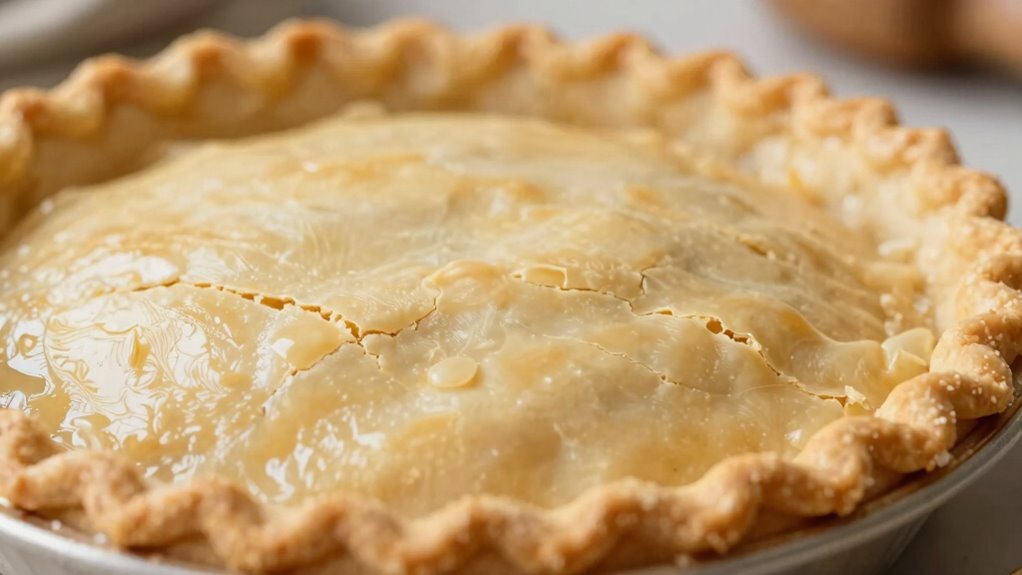
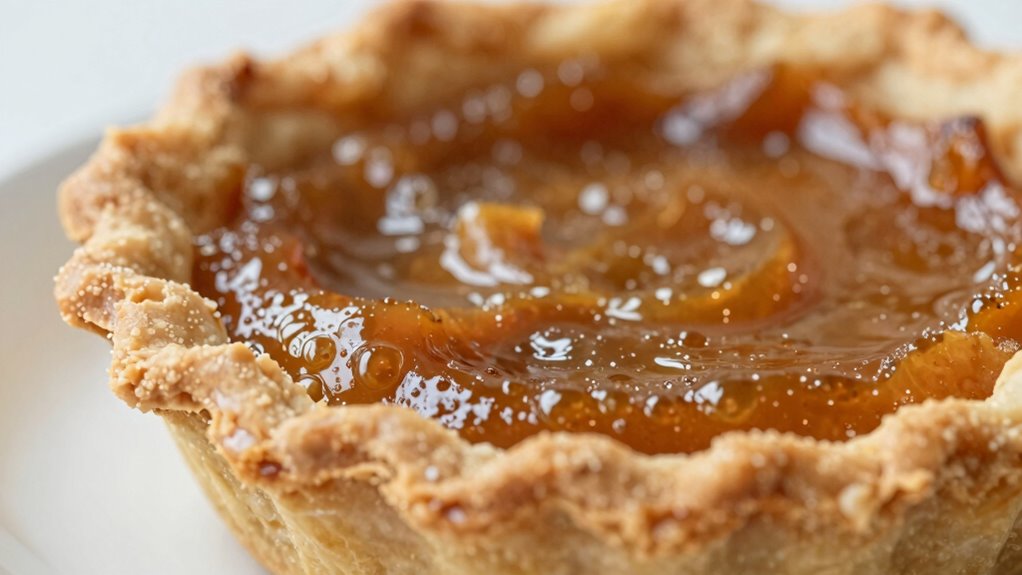
Soggy Bottom Pie is a classic dessert that many have tried, but few have perfected. If you’ve ever baked one only to find a damp, soggy crust despite blind baking, you’re not alone. This common problem often stems from issues with pie crust techniques or the filling’s consistency. Understanding these factors can help you achieve that perfect, crisp crust every time.
Mastering pie crust techniques and filling consistency is key to a perfect, crispy bottom.
When it comes to pie crust techniques, how you prepare and handle your dough makes all the difference. You want a flaky, sturdy base that can stand up to the filling without becoming soggy. Using cold ingredients is essential—especially cold butter or shortening—and working quickly to keep the dough cool helps create a tender, flaky texture. Rolling out the crust evenly ensures consistent thickness, which aids in even baking. Some bakers swear by pre-baking the crust with weights to prevent puffing and bubbling, but if your crust still gets soggy, it might be time to consider the thickness or the type of crust you’re using. A thicker crust can create a barrier that prevents moisture from seeping into the crust, maintaining its crispness. Additionally, brushing the crust with an egg wash or a light layer of chocolate can act as a moisture barrier, sealing the surface and helping to keep the bottom dry.
However, even with good pie crust techniques, the filling’s consistency plays an essential role. If the filling is too liquid, it will seep into the crust, making it soggy. For fruit pies, make sure to drain excess juice or toss the fruit with a thickener like cornstarch or flour before baking. For custards or cream-based fillings, avoid overly runny mixtures—use the right balance of eggs, milk, or cream to achieve a thick, cohesive filling. It’s also helpful to bake the pie until the filling is just set but not overcooked, which can cause excess moisture to escape. Remember, a thickened filling not only enhances flavor but also reduces the risk of moisture migration into the crust.
Ultimately, achieving that perfect, crisp bottom involves paying close attention to both your pie crust techniques and the filling’s consistency. Don’t rush the blind baking process—ensure your crust is fully baked and cooled before adding the filling. When these elements work together seamlessly, you’ll enjoy a Soggy Bottom Pie with a beautifully crisp crust and a luscious, well-set filling every time.
As an affiliate, we earn on qualifying purchases.
Frequently Asked Questions
Can Using a Metal Pan Prevent Sogginess?
Using a metal pan can help prevent sogginess because metal conducts heat better, leading to a crisper crust. When you bake in a metal pan, the crust browns more evenly and forms a barrier against moisture, maintaining its crunch. This improved crust texture keeps your pie from becoming soggy, even if the filling releases moisture. So, yes, switching to a metal pan is a smart move for a crisp, flaky bottom.
How Does Filling Temperature Affect Soggy Crust?
You’ll notice that filling temperature directly impacts your pie crust’s sogginess. When you pour hot filling into a cooled crust, the heat causes moisture to release, making the crust soggy. Conversely, if the filling is cooler or at room temperature, it minimizes steam and retains the crust’s crispness. To keep your pie crust from becoming soggy, guarantee your filling isn’t too hot, reducing excess moisture that can seep into the crust.
Is It Better to Refrigerate Before Blind Baking?
Oh, absolutely, refrigerate before blind baking—because who doesn’t love a crust that’s as firm as a rock? Refrigeration benefits include chilling the dough, which helps prevent shrinking and creates a sturdier crust. Plus, it firms up the butter, ensuring a crisp, flaky texture. So yes, pop that dough in the fridge; it’s the secret to a perfectly baked, non-soggy crust that can withstand any filling.
Can Adding a Layer of Chocolate Reduce Sogginess?
Adding a chocolate layer can help reduce sogginess by acting as a moisture barrier, preventing the filling’s moisture from seeping into the crust. You should spread a thin, even layer of melted chocolate or chocolate ganache on the baked crust before adding your filling. This creates a barrier that keeps moisture out, ensuring your pie stays crisp and avoids that unwanted soggy bottom.
How Long Should I Prebake the Crust?
Imagine your pie crust as a fortress—how long do you need to safeguard it during blind baking? For a standard 9-inch crust, pre-bake it for 15-20 minutes at 375°F. Keep the crust covered with pie weights or dried beans to prevent puffing. This ensures a crisp, sturdy base that won’t turn soggy, letting your filling shine without sogginess lingering.
As an affiliate, we earn on qualifying purchases.
Conclusion
If your pie still ends up soggy despite blind baking, don’t lose hope. Think of it like trying to keep a sponge dry—sometimes, moisture just sneaks in. To fix it, make sure your crust is fully cooled and consider brushing it with egg wash or a thin layer of chocolate to create a moisture barrier. With patience and the right techniques, you’ll turn that soggy bottom into a crisp, golden crust, like a fortress guarding your delicious filling.
As an affiliate, we earn on qualifying purchases.
As an affiliate, we earn on qualifying purchases.
Fall Picks
fall essentials
As an affiliate, we earn on qualifying purchases.