When you refrigerate buttercream, moisture from the air can condense on its surface, especially if the temperature fluctuates. This condensation softens the buttercream, causes surface imperfections, and can make it grainy over time due to sugar crystallization. To keep your buttercream smooth and stable, proper storage techniques like sealing airtight containers and avoiding frequent temperature changes are essential. If you’d like tips on how to restore or store it properly, there’s more valuable information ahead.

Get baking supplies delivered free — and shop member deals
- Fast, free delivery on millions of items
- Access to Prime Big Deal Days deals on October 6–7
- Prime Video, Amazon Music and more included
Key Takeaways
- Cold buttercream attracts moisture from humid air, causing surface condensation when exposed to warmer environments.
- Surface moisture softens buttercream and can create surface imperfections or lead to crystallization.
- Proper airtight storage minimizes moisture transfer and reduces condensation formation during refrigeration.
- Temperature fluctuations increase condensation and surface moisture buildup, affecting texture and stability.
- Allowing buttercream to gradually reach room temperature before use helps prevent excessive condensation and maintains consistency.
airtight buttercream storage container
As an affiliate, we earn on qualifying purchases.
As an affiliate, we earn on qualifying purchases.
Why Does Buttercream Change When Chilled?
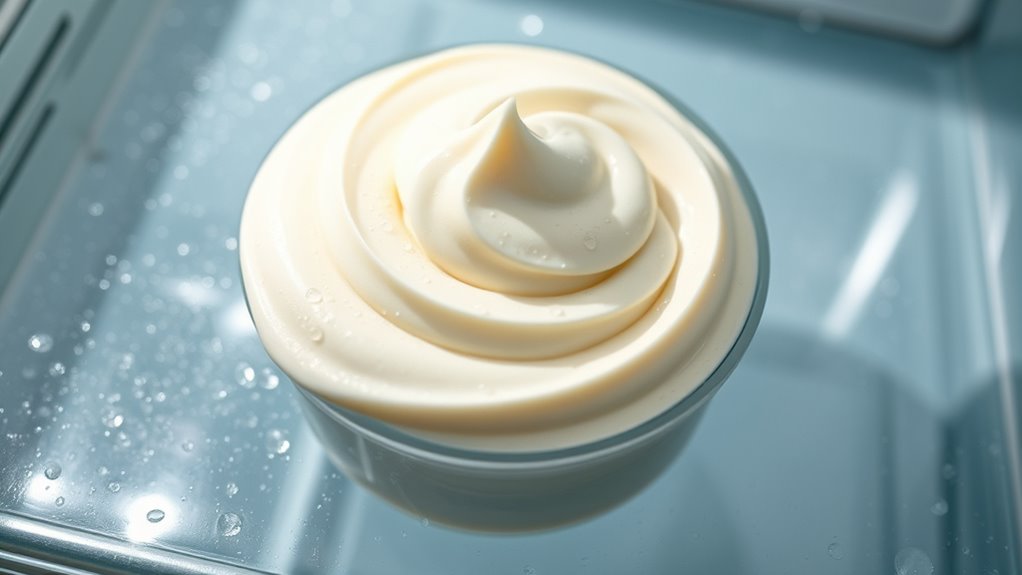
When you chill buttercream, its texture and consistency change because the fats and sugars respond differently to cold temperatures. This cooling process enhances flavor by allowing the ingredients to meld, resulting in a richer taste. Chilling also helps stabilize colors, keeping them vibrant and preventing fading or bleeding. As the butter solidifies slightly, the buttercream becomes firmer, making it easier to handle and decorate with precision. The fats harden, reducing stickiness, while sugars maintain sweetness and smoothness. This combination not only improves flavor integration but also preserves the visual appeal of your decorations. Additionally, temperature effects influence how well the buttercream holds its shape during decorating. Understanding temperature and texture changes can help bakers achieve the perfect consistency for various decorating techniques. The stability of the buttercream during chilling is essential for achieving professional-looking results. Furthermore, knowing how fat content impacts the texture can assist in customizing recipes for specific uses. Recognizing the role of air incorporation can also help in achieving desired volume and smoothness. Overall, chilling buttercream optimizes both flavor and color stability, ensuring your frosting looks appealing and tastes delicious when served.
refrigerator humidity control for baking
As an affiliate, we earn on qualifying purchases.
As an affiliate, we earn on qualifying purchases.
How Does Condensation Form on Cold Buttercream?
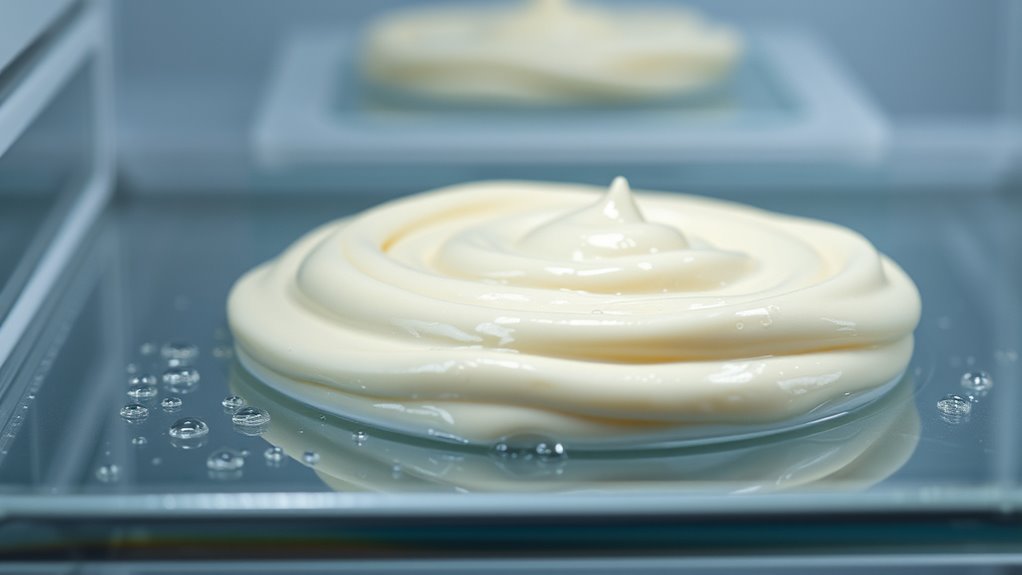
When you take cold buttercream out of the fridge, the temperature difference causes moisture in the air to move toward its cooler surface. This moisture transfer results in tiny droplets forming on the buttercream’s surface. Understanding how temperature changes drive this process helps explain why condensation appears on chilled buttercream. Additionally, the Gold IRA markets reflect how financial assets respond to market conditions, similar to how temperature fluctuations influence buttercream texture. Proper storage and handling can minimize surface moisture, maintaining the buttercream’s desired consistency, especially in free floating environments. Recognizing the role of humidity control can further help prevent unwanted condensation and preserve texture. Using techniques such as covering the buttercream or controlling ambient humidity can also significantly reduce condensation formation, and employing air purifiers with appropriate maintenance can help regulate indoor humidity levels to prevent excess moisture buildup.
Temperature Difference Effects
As cold buttercream is exposed to warmer, humid air, condensation can form on its surface due to temperature differences. When the buttercream’s temperature drops in the fridge, it becomes a cold surface. As you take it out and expose it to room temperature, the surrounding air’s humidity meets the cooler surface, causing moisture to condense. This process is influenced by temperature fluctuation; frequent temperature changes can increase condensation buildup. Additionally, the longer the storage duration, the more likely it is for condensation to develop each time you move the buttercream between environments. If you leave it out for extended periods, condensation can become more noticeable, affecting texture and potentially leading to surface imperfections. Managing temperature differences during storage helps minimize this moisture formation. Proper storage techniques are essential to prevent excessive condensation and preserve the buttercream’s intended texture. To further reduce moisture buildup, using airtight containers can help isolate the buttercream from fluctuating humidity levels. Being mindful of humidity control in your storage environment also plays a key role in maintaining buttercream quality over time. Moreover, understanding how condensation forms can help you better manage your storage conditions for optimal buttercream consistency. Implementing temperature regulation strategies can further optimize storage conditions and prevent unwanted moisture accumulation.
Moisture Transfer Process
Condensation forms on cold buttercream because the moisture in the surrounding air moves toward the cooler surface. As the buttercream chills, its temperature drops below the dew point, causing water vapor to turn into liquid droplets on its surface. This process threatens buttercream stability by introducing excess moisture, which can soften the texture or cause uneven surface appearance. Additionally, condensation can accelerate sugar crystallization, leading to a grainy or gritty texture. When moisture settles on the buttercream, it disrupts the smoothness and can cause ingredients to separate or develop a sticky film. Understanding this moisture transfer process helps you manage condensation risks, ensuring your buttercream maintains its ideal consistency and appearance, especially when storing it in the fridge for extended periods. Recognizing temperature fluctuations and controlling storage conditions are key to minimizing condensation issues.
As an affiliate, we earn on qualifying purchases.
How Does Refrigeration Affect Buttercream’s Texture?
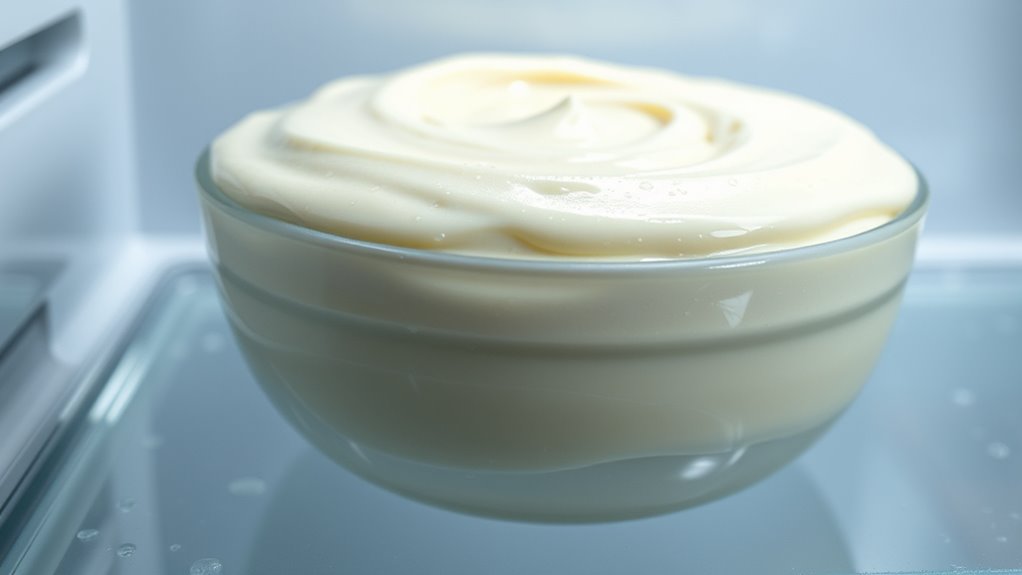
When you refrigerate buttercream, it can absorb moisture from the fridge, changing its consistency. This process often softens the texture initially but can also lead to crystallization, making it grainy. Understanding these effects helps you maintain the perfect frosting for your desserts. Proper storage techniques are essential to preserve the buttercream’s quality and texture over time. Additionally, using energy-efficient appliances for storage can help maintain consistent temperatures and prevent unwanted moisture buildup. Regularly monitoring refrigerator humidity levels can further help in maintaining optimal conditions for buttercream storage, especially when managing climate control within your kitchen environment. Being aware of temperature fluctuations can also prevent sudden changes that might negatively impact the texture of your buttercream.
Moisture Absorption Effects
Refrigeration can cause buttercream to absorb moisture from the air, which often leads to changes in its texture. The humidity impact inside the fridge makes buttercream more prone to becoming sticky or grainy over time. Proper storage containers help minimize moisture absorption, but if not sealed tightly, moisture can still seep in. This moisture transfer can also affect the filtration system of your storage environment, further influencing the buttercream’s stability. This absorption can make the buttercream appear shiny and soft or cause it to develop a slightly gritty texture. To prevent these issues, always use airtight containers and avoid exposing buttercream to fluctuating humidity levels. Understanding how moisture interacts with stored buttercream helps you maintain its desired consistency and appearance. Keeping it in a controlled environment ensures it stays smooth, stable, and ready for decorating, especially when considering the effects of refrigeration on texture. Additionally, selecting appropriate storage conditions can significantly reduce unwanted moisture transfer. Being aware of the humidity levels in your storage area can greatly help in maintaining optimal buttercream quality over time.
Texture Softening Dynamics
Refrigeration can cause buttercream to soften due to the cold temperature disrupting its fat and powdered sugar structure. This softening can impact icing stability, making it less firm and more prone to spreading or collapsing. The change in texture may make your buttercream less ideal for piping or detailed decoration, but it can also make it easier to spread smoothly. Additionally, refrigeration helps preserve flavor by slowing down deterioration processes, ensuring your buttercream retains its fresh taste longer. However, the softened texture may alter the mouthfeel, potentially reducing the creamy richness you expect. To manage this, you can rewhip the buttercream slightly after refrigeration to restore some of its original firmness and maintain both icing stability and flavor integrity.
Crystallization and Graininess
Cooling buttercream can cause its fats and sugars to form crystals, leading to a grainy, gritty texture. This happens because sugar crystallization occurs when the buttercream is chilled too quickly or stored for too long. The sugar molecules realign, creating larger crystals that you can see and feel. To avoid this, keep buttercream at a stable temperature and avoid rapid cooling. If crystallization occurs, gently rewhip the buttercream to break down the crystals and restore a smoother consistency. Here are some key points:
- Rapid cooling promotes sugar crystallization, resulting in graininess.
- Rewhipping can help break down sugar crystals and improve texture.
- Proper storage at consistent, cool temperatures minimizes crystallization risk.
As an affiliate, we earn on qualifying purchases.
What Are the Best Ways to Store Buttercream and Minimize Condensation?
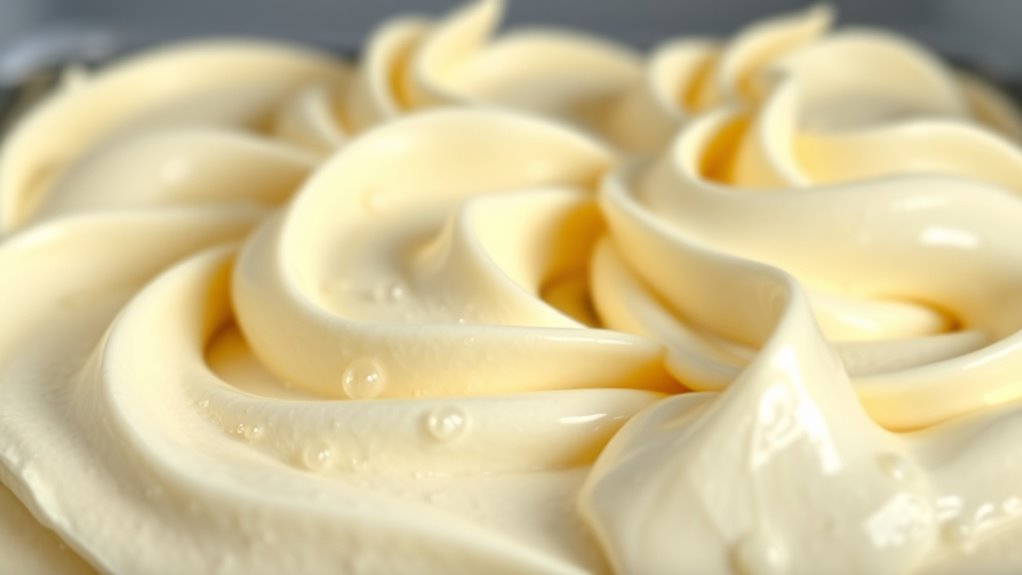
To keep your buttercream fresh and prevent unwanted condensation, proper storage is essential. Use airtight containers to seal in moisture and protect against humidity, which can cause sweating and texture changes. Before storing, confirm your buttercream is at room temperature or slightly chilled, depending on your timeline, to avoid temperature fluctuations that lead to condensation. Keep the container in a cool, dry place away from direct sunlight. If you need to refrigerate, make sure the container is tightly sealed to minimize moisture exposure. When ready to use, allow the buttercream to come to room temperature gradually. Properly stored buttercream in airtight containers at room temperature or in the fridge helps maintain its texture and reduces the risk of condensation forming.
How Can You Bring Buttercream Back to Room Temperature Properly?
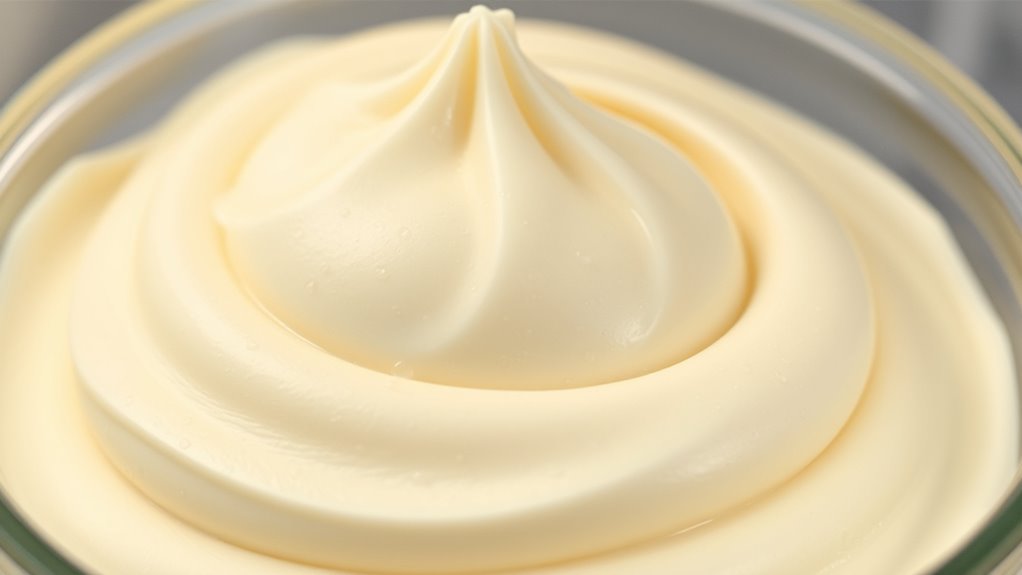
When you’re ready to use your buttercream, bringing it back to room temperature properly is key to maintaining its smooth texture. This process also helps restore flavor enhancement and decorative stability. To do it right:
- Remove the buttercream from the fridge and let it sit at room temperature for 30-60 minutes, depending on the amount.
- Use a spatula or mixer to gently stir or whip the buttercream until it’s smooth and soft.
- Avoid overheating, as excessive heat can cause melting or separation, compromising texture and stability.
Are There Alternative Ways to Store Buttercream and Keep It Fresh?
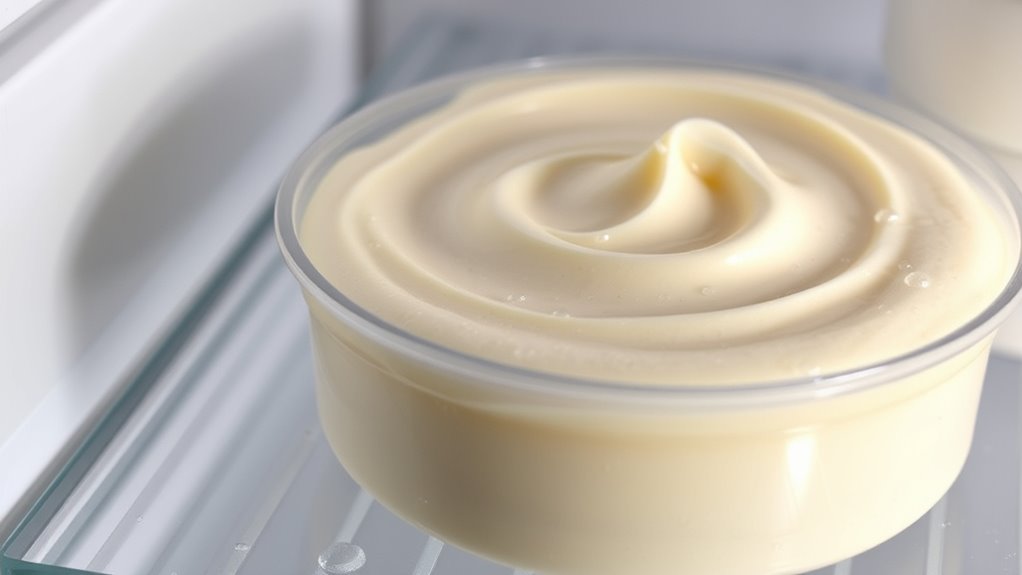
Aside from refrigeration, you can explore alternative methods to store buttercream and keep it fresh longer. These preservation techniques help maintain texture and flavor without relying solely on the fridge. For example, keeping buttercream in airtight containers at cool, dark spots can slow spoilage. Another option is freezing it in small portions—just thaw when needed. Here’s a quick comparison:
| Method | Benefits |
|---|---|
| Airtight Containers | Keeps moisture out, preserves texture |
| Freezing | Extends shelf life, easy to thaw |
| Refrigeration | Maintains freshness, prevents spoilage |
Using these alternative storage methods, you can enjoy fresh buttercream for longer, especially if refrigeration isn’t ideal.
Frequently Asked Questions
Can Freezing Buttercream Prevent Condensation Issues?
Freezing buttercream can help prevent condensation issues by using proper freezing techniques, which control moisture and reduce the risk of ice crystals forming. When you freeze buttercream, make sure it’s tightly wrapped or stored in an airtight container to minimize moisture exposure. This way, you maintain its texture and flavor, preventing unwanted condensation and keeping your buttercream fresh and ready for use without compromising quality.
How Long Can Buttercream Safely Stay in the Fridge?
You should store buttercream safely for about 1 week in the fridge. During this storage duration, keep an eye out for spoilage indicators like sour smells, mold, or a change in texture. Properly sealing it prevents spoilage and contamination. If you notice any of these signs, it’s best to discard it to avoid food safety issues. Always refrigerate promptly and keep it airtight for freshness.
Does Adding Stabilizers Reduce Condensation Problems?
Adding stabilizers can improve stabilizer effectiveness, but they don’t entirely prevent condensation issues. To better control moisture, use moisture control techniques like sealing your buttercream tightly and keeping it at a consistent temperature. Stabilizers help maintain texture, but for best results, combine them with proper storage practices. This combined approach reduces condensation problems and keeps your buttercream smooth and fresh longer.
What Are Signs of Spoiled Buttercream After Refrigeration?
You’ll notice spoiled buttercream through a color change or mold growth, signaling it’s no longer safe to use. Unlike the smooth, creamy texture you expect, spoiled buttercream may turn yellow or develop fuzzy spots. If it smells sour or tangy, that’s another clear sign. Don’t ignore these visual or olfactory clues; consuming spoiled buttercream can cause foodborne illness, so always discard it when you see or smell these warning signs.
Can Different Types of Buttercream React Differently to Cold Storage?
Yes, different types of buttercream react differently to cold storage. For food safety and ideal storage duration, you should know that American buttercream, made with butter and sugar, generally holds up well in the fridge but can become crusty or change texture. Swiss and French buttercreams, which contain eggs or egg whites, require careful storage to prevent spoilage. Always check for signs of spoilage before use.
Conclusion
To keep your buttercream fresh, to prevent condensation, and to preserve its texture, you need to store it properly, cover it tightly, and bring it to room temperature gently. By understanding how refrigeration affects your buttercream, how condensation forms, and how to handle it, you guarantee your frosting remains smooth, creamy, and delicious. So, store carefully, handle patiently, and enjoy your perfect buttercream every time, because the right steps make all the difference.
Fall Picks
fall essentials
As an affiliate, we earn on qualifying purchases.