If your baking powder leaves bitter specks, it’s likely because it’s old or has gone stale, causing chemical breakdown and off-flavors. Using expired baking powder reduces its leavening power and can create bitter, unappealing specks in baked goods. Proper storage in a cool, dry place and regular testing can help keep it fresh. Staying aware of these factors can help you avoid bitterness—keep exploring to learn more about perfect baking results.
Key Takeaways
- Using stale or expired baking powder causes chemical breakdown, leading to bitter specks in baked goods.
- Improper storage accelerates baking powder’s degradation, increasing the risk of off-flavors and bitter specks.
- Overusing baking powder or measuring incorrectly can introduce excess, which may result in bitterness and specks.
- Some brands contain additives or anti-caking agents that can cause bitterness when used in baked items.
- Natural substitutes like baking soda with cream of tartar reduce bitterness and help prevent bitter specks.
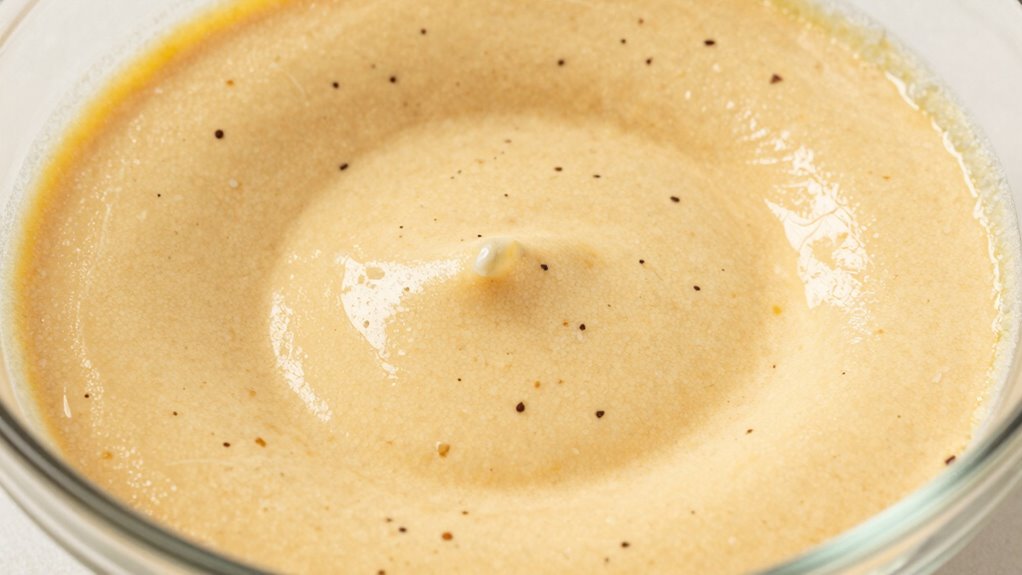
If you’re noticing bitter specks in your baked goods, baking powder might be the culprit. These tiny, bitter-tasting spots can ruin the texture and flavor of your treats, leaving you frustrated. The root cause often comes down to the freshness of your baking powder. Over time, baking powder loses its potency and can develop off-flavors, especially if it’s been sitting in your pantry for months or even years. To prevent this issue, it’s vital to regularly check your baking powder’s freshness. A simple test involves mixing a teaspoon of baking powder with warm water; if it bubbles vigorously, it’s still active. If not, it’s time to replace it. Using stale baking powder not only diminishes your baked goods’ rise but can also introduce bitter specks due to the breakdown of its chemical components.
Another factor that influences the taste issues is the type of baking powder you’re using. Some brands contain additives or anti-caking agents that might contribute to bitterness if they aren’t fresh or are used excessively. To avoid this, consider switching to high-quality brands or exploring natural substitutes. Natural substitutes like baking soda combined with cream of tartar or lemon juice can sometimes provide a cleaner, milder flavor. These alternatives allow you to control the acidity and leavening process more precisely, reducing the chances of bitter specks showing up in your baked goods. Keep in mind, when using natural substitutes, you need to adjust the quantities carefully to achieve the desired rise without compromising flavor.
Additionally, understanding the chemical properties of baking powder can help you troubleshoot bitterness issues more effectively. Proper storage in a cool, dry place is essential, and measuring accurately ensures you don’t add excess baking powder that could lead to bitterness.
Frequently Asked Questions
Can Expired Baking Powder Cause Bitter Specks?
Expired baking powder can cause bitter specks because its freshness declines over time, and the chemical reactions may produce a bitter taste. When baking powder loses its potency, it doesn’t react properly, leading to uneven rising and off-flavors. To avoid this, always check the expiration date and replace old baking powder. Fresh baking powder guarantees your baked goods rise well and taste delicious without any bitter specks.
Do Homemade Baking Powders Have a Higher Risk of Bitterness?
Homemade baking powders don’t necessarily carry a higher risk of bitterness, but they do introduce more variables. Like a painter’s palette, your mix of ingredients—especially if you add flavor additives—can influence taste. Using fresh, natural components guarantees a balanced flavor. If you’re cautious, stick to simple, tried-and-true recipes, and avoid overloading with flavor additives, which might contribute to bitter specks. Always test your homemade blend before use.
Are Certain Brands More Prone to Leaving Bitter Specks?
Yes, certain brands are more prone to leaving bitter specks because of lower brand quality and ingredient purity. When you choose baking powders with questionable ingredient purity, you’re more likely to encounter bitter residues. Opt for reputable brands known for high-quality ingredients, as they minimize bitter specks and guarantee a cleaner, better-tasting baked good. Always check labels to ensure you’re getting a product with the best brand quality.
How Does Water Temperature Affect Baking Powder’s Bitterness?
Ever wondered how water temperature affects baking powder’s bitterness? Warm water accelerates chemical reactions, releasing carbon dioxide quickly, which can sometimes intensify bitter flavors. Cold water slows reactions, helping to diminish bitterness and ensure a smoother taste. So, when baking, using the right water temperature helps manage the chemical reactions, minimizing bitter specks and giving you a better, tastier result. Keep your water cool for a more balanced flavor!
Can Using Too Much Baking Powder Increase Bitter Specks?
Using too much baking powder can definitely increase bitter specks. When you make measuring mistakes or use old, less fresh baking powder, it may intensify this bitterness. Overusing the ingredient creates excess alkalinity, which produces a bitter taste. To avoid this, measure carefully and check ingredient freshness regularly. Properly stored baking powder guarantees the right leavening power and helps prevent bitter specks in your baked goods.
Conclusion
So, next time your baked goods betray you with bitter specks, remember it’s not just a rogue ingredient but a silent artist of imperfection. Your baking powder, like a mischievous painter, leaves tiny, unwelcome strokes that mar your masterpiece. With a careful eye and mindful measuring, you can tame this unruly brush. Embrace the dance of precision, and let your creations shine as flawless as a polished gemstone, free from bitter flaws that dull their brilliance.