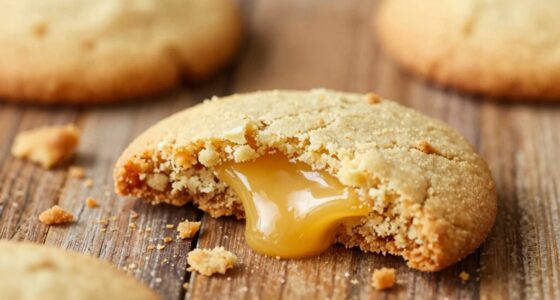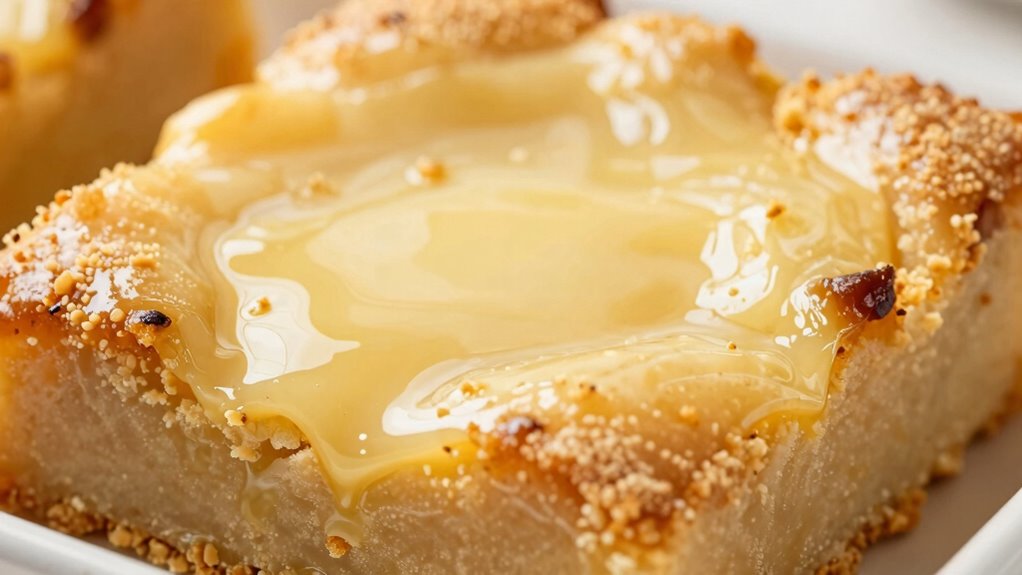
If your blondies turn greasy despite following the recipe, it’s likely due to oven temperature issues or ingredient choices. Home ovens often have hot spots or inaccuracies, causing fats to melt unevenly or pool. Using an oven thermometer and calibrating your oven can help. Also, substituting ingredients like margarine or oil can change fat behavior, resulting in greasiness. Proper handling, mixing gently, and maintaining the right fat-to-flour ratio are key; keep going to discover more tips.

Get baking supplies delivered free — and shop member deals
- Fast, free delivery on millions of items
- Access to Prime Big Deal Days deals on October 6–7
- Prime Video, Amazon Music and more included
Key Takeaways
- Using an uncalibrated oven can cause fats to melt unevenly, leading to greasiness.
- Substituting margarine or oils with higher water content or different melting points increases greasiness.
- Overmixing batter introduces excess air and fat separation, resulting in greasy blondies.
- Baking at incorrect temperatures may cause fats to pool or melt excessively.
- Improper ingredient ratios or excessive fat content contribute to greasy texture despite correct-looking recipes.
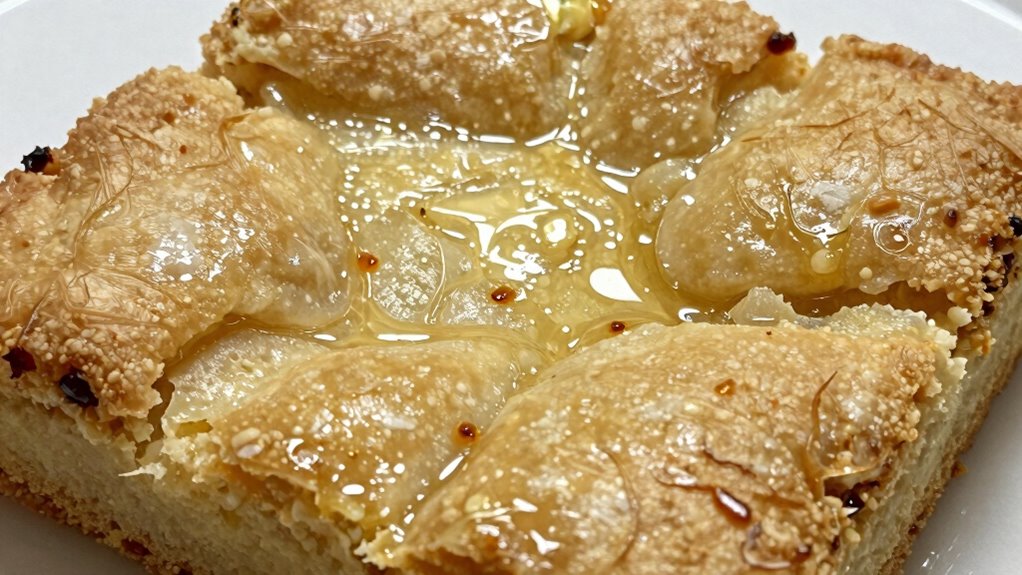
Ever wondered why your blondies sometimes turn greasy despite following the recipe? It’s frustrating to put in the effort, only to end up with a greasy, overly dense batch. The culprit often boils down to oven temperature and ingredient substitutions. When your oven isn’t set correctly, or if you’ve swapped ingredients improperly, your blondies can absorb excess fat and develop that undesirable greasy texture.
First, oven temperature plays an essential role. If your oven runs hot or if the temperature isn’t accurate, it can cause the fat in your blondies to melt too quickly, resulting in a greasy surface and an undercooked interior. Many home ovens have hot spots or temperature inaccuracies, so using an oven thermometer helps you stay precise. Set your oven to the recommended temperature—usually around 350°F (175°C)—and double-check it with a thermometer. Too high, and the fats will melt prematurely, pooling at the bottom; too low, and your blondies won’t bake evenly, causing the fats to separate and create greasiness. Proper oven calibration can ensure consistent results.
Ingredient substitutions also markedly impact the final outcome. For example, swapping butter for margarine or oil might seem like a healthy choice or a convenient substitute, but these fats vary in composition. Margarine often contains more water and less fat, which can lead to uneven melting and greasy spots. Similarly, using different types of oils—like coconut or vegetable oil—can alter how fats behave during baking. If the fat content isn’t balanced with other ingredients, it can cause excess greasiness. When substituting ingredients, pay attention to the ratios and consider how each change affects the batter’s consistency and melting point. Additionally, ingredient composition plays a crucial role in how fats behave during baking, so understanding the properties of your ingredients can help prevent greasiness. Being mindful of fat ratio and how it interacts with other components in your recipe can make a significant difference. Furthermore, baking techniques such as proper mixing and handling can influence the final texture and grease level. Overmixing your batter can also incorporate too much air, making the blondies dense and greasy. Be gentle when combining ingredients, especially after adding the flour, to prevent excess fat from separating during baking. Using high-fat ingredients or too much fat overall can also contribute to greasiness. Stick to the recipe’s measurements, and if you’re experimenting with substitutions, do so gradually, testing small batches first.
As an affiliate, we earn on qualifying purchases.
Frequently Asked Questions
Can Overmixing Affect the Greasiness of Blondies?
Overmixing can definitely affect the greasiness of blondies. When you mix too much, it activates the gluten and incorporates excess air, which can cause the fat to separate, making the blondies greasy. Using different mixing techniques, like gentle folding, helps prevent this. Also, ingredient substitutions, such as swapping butter for margarine, may alter fat content and impact greasiness, so choose ingredients carefully to keep your blondies just right.
Does Using Expired Ingredients Make Blondies Greasy?
Using expired ingredients can make your blondies greasy, ironically, because their freshness affects texture and moisture balance. When ingredients like butter or eggs are past their prime, they may introduce excess oil or alter consistency, leading to greasiness. Always prioritize ingredient freshness to guarantee your blondies turn out just right—moist, tender, and delicious—not greasy and disappointing. Fresh ingredients help maintain the perfect balance in your baked treats.
How Does Pan Type Influence Blondie Greasiness?
Your choice of pan material and baking surface considerably affects blondie greasiness. Non-stick or dark metal pans tend to absorb and distribute heat unevenly, causing excess moisture and greasiness. Glass pans reflect heat, which can lead to uneven baking and a greasy texture. To minimize greasiness, opt for lighter-colored, non-stick pans, and avoid overcrowding your oven, ensuring even heat distribution and better control over the blondie’s texture.
Should I Adjust Baking Time to Prevent Greasiness?
You should adjust your baking time to prevent greasiness. Think of your blondies as a delicate dance—too long, and they dry out; too short, and they stay greasy. By controlling baking temperature and ingredient ratios, you guarantee even cooking. Keep an eye on the oven, and test for doneness early. This balance helps your blondies set perfectly, avoiding excess oil and achieving that ideal, chewy texture.
Can Ingredient Temperature Impact Blondie Texture?
Yes, ingredient temperature can impact your blondie texture. Using fresh ingredients guarantees proper consistency, while cold butter or eggs can lead to uneven baking and greasiness. Also, check your oven calibration; a miscalibrated oven can cause uneven heat, resulting in greasy or undercooked blondies. Always bring ingredients to room temperature before mixing, and make sure your oven is accurately calibrated for the best texture and flavor.
As an affiliate, we earn on qualifying purchases.
Conclusion
So, next time your blondies turn greasy despite following the recipe, remember it’s often due to overmixing or using too much butter. Keep an eye on ingredient measurements and mix just enough to combine. Did you know that experimenting with baking times and ingredient ratios can reduce greasiness by up to 30%? With a few tweaks, you’ll be able to enjoy perfectly moist, delicious blondies every time—no grease involved!
As an affiliate, we earn on qualifying purchases.
As an affiliate, we earn on qualifying purchases.
Fall Picks
fall essentials
As an affiliate, we earn on qualifying purchases.