
In cold kitchens, fermentation slows down, making it harder for you to judge when your dough is properly proofed. The longer proofing times can lead to under- or over-proofed bread if you rely only on timers. Temperature variations also affect how the dough develops, so visual cues become more important but less obvious. If you want to learn how to adapt your process and improve your results in colder environments, keep exploring these strategies.

Get baking supplies delivered free with Prime
- Fast, free delivery on millions of items
- Prime Video, Amazon Music and more included
- Member-only deals all year
Key Takeaways
- Cold temperatures slow yeast and bacteria activity, extending proofing times and complicating timing decisions.
- Maintaining consistent proofing environments is difficult, risking under- or over-proofing due to temperature fluctuations.
- Visual cues become more critical than timers, requiring careful observation amid slower fermentation.
- Managing humidity and temperature in cold kitchens is essential to prevent dough drying and ensure proper rise.
- Adjusting proofing strategies is necessary to compensate for slower fermentation, making decision-making more complex.
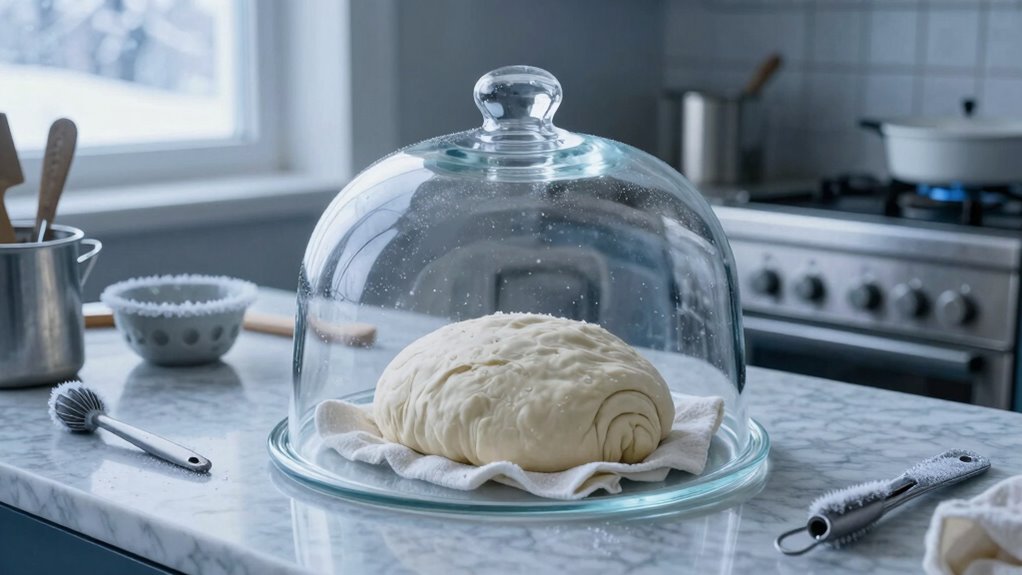
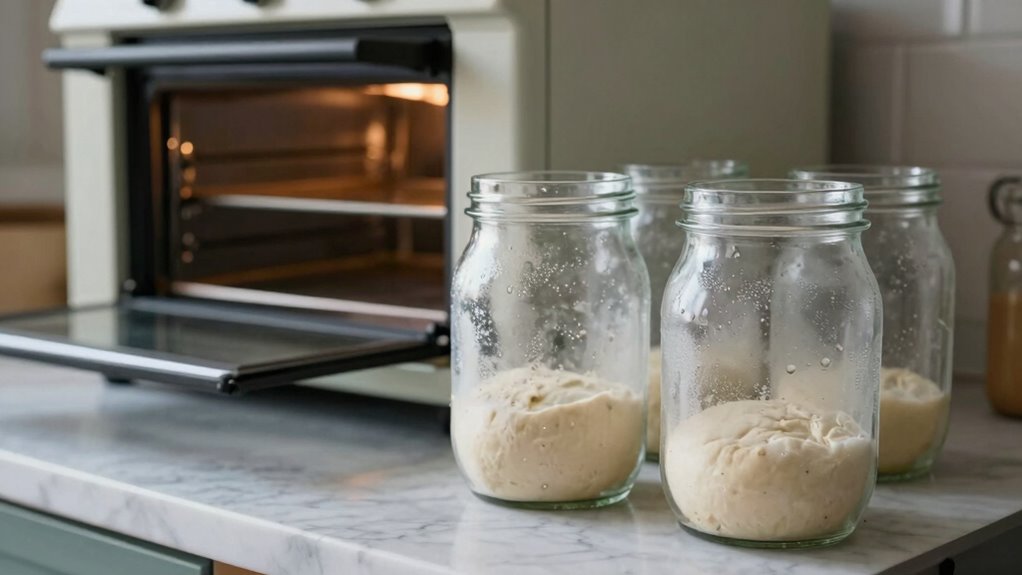
When it comes to baking, choosing the right environment for proofing can make all the difference, especially in colder kitchens. Cold temperatures can slow down fermentation, making it tricky to get your dough to rise properly. You might find yourself waiting longer than usual or ending up with under-proofed bread, which affects the final texture and flavor. This is because fermentation control becomes more challenging when the ambient temperature drops. The yeast and bacteria in your dough are less active in colder conditions, so you need to find ways to encourage fermentation without risking over-proofing when the environment warms up or your dough gets too warm.
Temperature management becomes your top priority in these situations. If your kitchen is chilly, you have to think about how to keep the dough at an optimal proofing temperature. Without proper control, your dough can remain sluggish, or worse, become overly cold and develop poor structure. To combat this, many bakers use proofing boxes, warm spots, or even slightly heated environments to maintain a consistent temperature. However, these solutions require careful monitoring. Too much heat can accelerate fermentation too quickly, leading to overproofed dough, while too little keeps the process sluggish. Achieving the right balance is key to ensuring your dough develops the right amount of gluten and flavor.
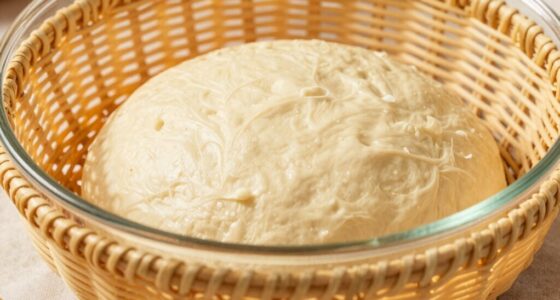
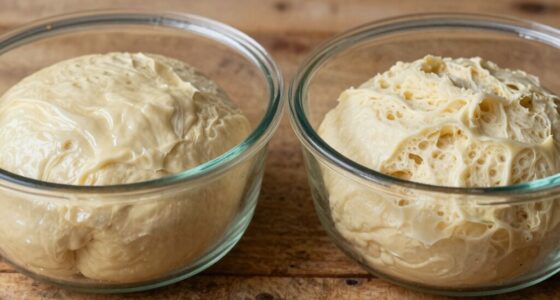
In colder kitchens, you might also need to adjust your timing. What normally takes an hour in a warmer space could take two or even three hours in a cold one. This extended proofing time can be frustrating, especially if you’re used to a quick turnaround. It’s essential to pay close attention to the dough’s appearance and texture rather than just sticking to a timer. Look for signs of proper fermentation, like a slight doming and a bubbly surface, rather than relying solely on clock hours. Additionally, controlling the environment’s humidity can help prevent the dough’s surface from drying out during slow proofing, making the process more efficient and consistent. Properly managing proofing conditions is crucial to achieving the best results in a cold kitchen. Furthermore, understanding how temperature affects fermentation can help you better adapt your process and improve your baking outcomes. Being aware of temperature control methods can significantly improve your success rate when baking in a chilly environment. Adjusting your methods based on ambient temperature can also help optimize fermentation and baking results.
As an affiliate, we earn on qualifying purchases.
Frequently Asked Questions
How Can I Speed up Proofing in Cold Kitchens?
To speed up proofing in cold kitchens, you need to improve fermentation control and yeast activation. Warm the dough slightly, using a proofing box or a warm, draft-free spot. Consider adding a pinch of sugar to feed the yeast, which accelerates fermentation. Keep an eye on the dough’s rise, and avoid overproofing. These steps help yeast activate faster, ensuring better proofing even in colder environments.
What Temperature Is Ideal for Proofing Dough?
The ideal proofing temperature is around 75-80°F, where yeast activation happens at lightning speed. If your dough temperature drops too low, even the best yeast struggles to activate, making proofing feel like an eternity. To get perfect results, keep your dough warm enough to encourage rapid yeast activity, but not so hot that it kills the yeast. Maintaining proper dough temperature guarantees consistent, fluffy proofing every time.
Does Humidity Affect Proofing in Cold Environments?
Yes, humidity affects proofing in cold environments. Humidity control is essential because low humidity can dry out dough, slowing or halting fermentation, while high humidity can make dough sticky or cause over-proofing. Environmental factors like temperature and moisture levels interact, so you need to observe and adjust humidity carefully. In cold kitchens, maintaining consistent humidity ensures proper dough rise, helping you achieve the best proofing results despite the challenging environment.
Are There Alternative Methods to Proofing in Cold Settings?
You can try alternative methods like using a proofing box or warming drawer, which help with fermentation control and temperature regulation. You might also consider creating a warm, humid environment with a towel-covered bowl or using a proofer. These techniques keep dough cozy and consistent, even in cold settings, preventing over-proofing or under-proofing. Embracing these methods guarantees perfect proofing results despite chilly conditions.
How Do I Prevent Dough From Over-Proofing in Cold Kitchens?
To prevent dough from over-proofing in cold kitchens, you should monitor yeast activity closely and adjust proofing times accordingly. Warmer environments boost yeast activity, so in cold settings, it’s essential to give the dough more time. Also, keep an eye on dough elasticity; over-proofed dough loses its structure. Use a kitchen thermometer to maintain the ideal temperature, and consider proofing in a slightly warmer area or covering the dough to retain warmth.
As an affiliate, we earn on qualifying purchases.
Conclusion
A cold kitchen is like trying to steer a boat through icy waters—you’ll struggle to find steady footing. When your environment chills your dough, it’s as if your recipe’s compass gets lost, making proofing decisions feel uncertain and shaky. But with a warm, cozy space, your dough can rise confidently, guiding you smoothly to bakery perfection. Keep the heat steady, and let your bread’s journey be a warm voyage, not a frozen trek.
dough fermentation temperature controller
As an affiliate, we earn on qualifying purchases.
As an affiliate, we earn on qualifying purchases.
proofing environment thermometer
As an affiliate, we earn on qualifying purchases.
As an affiliate, we earn on qualifying purchases.
Halloween Picks
halloween
As an affiliate, we earn on qualifying purchases.