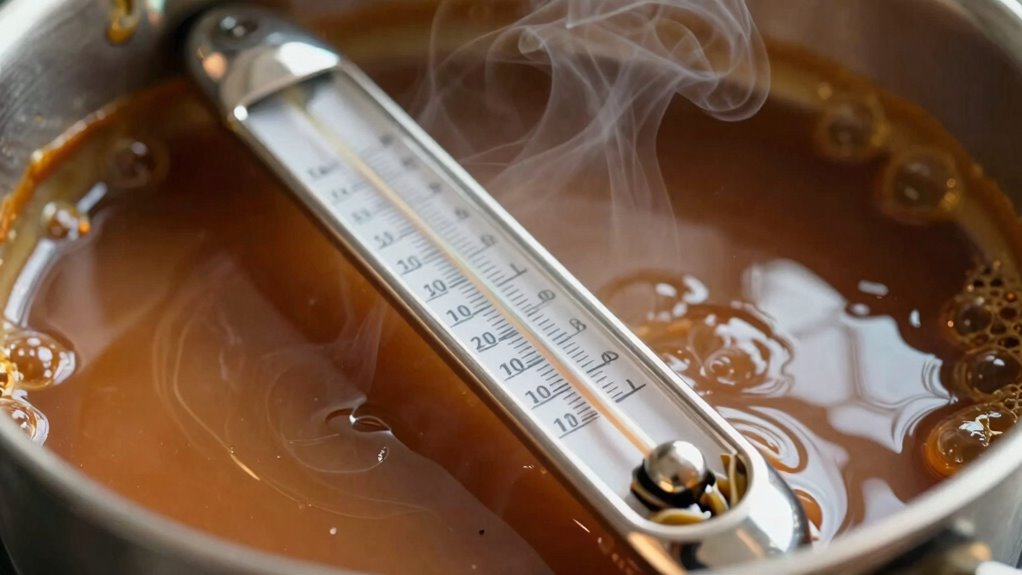

Candy thermometers drift over time because materials degrade, sensors wear out, and exposure to high heat or moisture accelerates damage. This causes inaccurate readings, making it harder for you to cook candies to the perfect texture. Small errors can lead to sticky, overcooked, or undercooked finished products. Proper storage and regular calibration help, but understanding what causes drift can improve your results—keep going to discover more tips for accurate candy making.

Get baking supplies delivered free — and shop member deals
- Fast, free delivery on millions of items
- Access to Prime Big Deal Days deals on October 6–7
- Prime Video, Amazon Music and more included
Key Takeaways
- Material degradation over time reduces thermometer accuracy, causing temperature readings to drift.
- Exposure to high heat and environmental factors accelerates sensor and glass component wear.
- Drift in readings leads to misjudging candy doneness, affecting texture and quality.
- Proper storage and calibration help prevent drift and maintain measurement reliability.
- Inaccurate readings due to drift can result in undercooked or overcooked candies with undesirable textures.
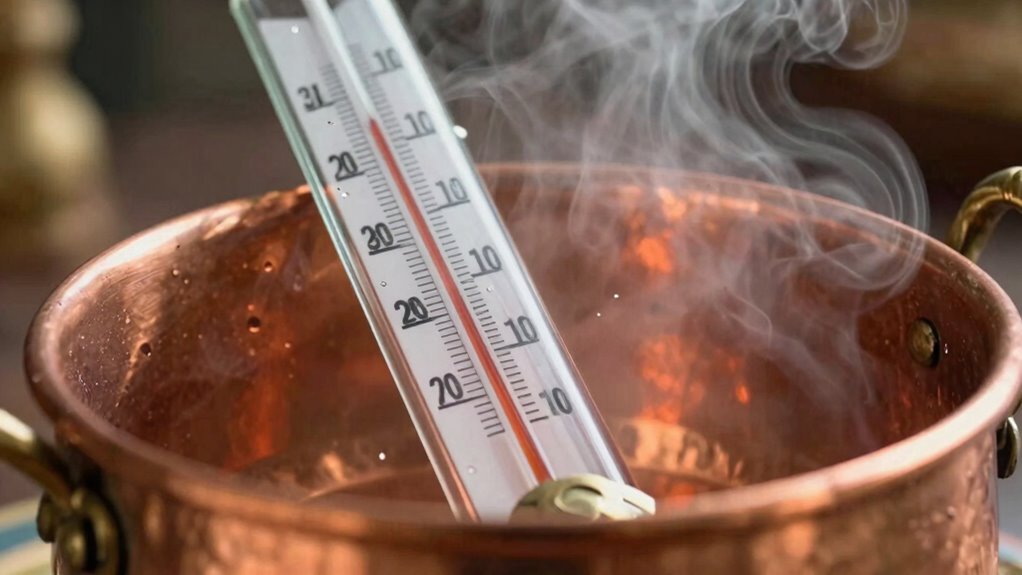
Candy thermometers can drift over time, leading to inaccurate temperature readings that affect your candy-making results. This drift can be caused by several factors, but the most common are changes in material durability and the lack of proper temperature calibration. When a thermometer’s materials weaken or degrade, its ability to provide precise measurements diminishes, which can result in misjudging the candy’s temperature. Over prolonged use, the constant exposure to high heat can cause the thermometer’s components, like the sensor or the glass, to become less reliable. This deterioration means your readings may become inconsistent, making it difficult to achieve the perfect texture or consistency in your candies. Regularly inspecting your thermometer for signs of material degradation can help catch issues before they impact your results. Additionally, environmental factors such as temperature fluctuations and exposure to moisture can accelerate material wear, further impacting accuracy. Proper storage practices are essential to maintaining your thermometer’s longevity and accuracy. Ensuring your thermometer is stored properly in a protective case can help reduce unnecessary wear and tear. Proper temperature calibration is vital to guarantee your thermometer remains accurate over time. If you don’t regularly check and recalibrate your device, even a well-made thermometer can drift out of calibration. Calibration involves comparing your thermometer’s reading against a known standard, such as boiling water or an ice bath, and adjusting it if necessary. Without this step, small inaccuracies can compound, especially since candy recipes often require precise temperatures to turn out just right. When your thermometer is out of calibration, you risk undercooking or overcooking your candies, which can lead to sticky, grainy, or overly hard results. Regular calibration, combined with mindful use, helps maintain the accuracy needed for successful candy making.
candy thermometer calibration kit
As an affiliate, we earn on qualifying purchases.
As an affiliate, we earn on qualifying purchases.
Frequently Asked Questions
How Often Should I Calibrate My Candy Thermometer?
You should calibrate your candy thermometer at least once a year or whenever you notice temperature inaccuracies. Regular calibration guarantees temperature stability, which is essential for precise candy making. If your thermometer has been dropped or exposed to extreme heat, calibrate it more often. To check calibration, use boiling water or ice water. Consistent calibration helps you maintain accurate readings and produce perfect candies every time.
Can Different Brands of Thermometers Drift at Different Rates?
Different brands of thermometers can drift at varying rates, like boats drifting apart in a current. This is often due to differences in thermometer manufacturing and materials used. You should regularly use calibration techniques, such as ice water tests or boiling water tests, to guarantee accuracy. Quality brands may resist drift better, but consistent calibration is key to trustworthy readings, regardless of the brand you choose.
Does Altitude Affect the Accuracy of Candy Thermometers?
Altitude impacts the accuracy of candy thermometers because higher elevations lower boiling points, affecting temperature calibration. As you cook at different altitudes, your thermometer might not read correctly without adjustment. To guarantee precision, you should calibrate your thermometer at your specific altitude. This way, you can accurately monitor sugar temperatures, preventing under or overcooking, and achieving perfect candy consistency regardless of elevation.
Are Digital Thermometers Less Likely to Drift Than Analog?
Digital thermometers are generally less likely to drift than analog ones because they rely on solid-state sensors, which offer better temperature stability. Proper calibration procedures guarantee accuracy over time, reducing drift risk. Unlike analog thermometers, digital devices often have built-in calibration features, maintaining consistent readings. You’ll find that digital thermometers provide more reliable, stable performance for candy making, especially when strict temperature control is essential.
What Environmental Factors Influence Thermometer Accuracy?
Environmental factors like humidity effects and material degradation profoundly influence thermometer accuracy. High humidity can cause corrosion or rust, especially in analog models, leading to drifting readings. Over time, materials degrade from exposure to moisture or extreme temperatures, reducing precision. You should store thermometers in a dry, stable environment and avoid sudden temperature changes. Regular calibration helps maintain accuracy, ensuring your readings stay reliable despite environmental influences.
digital candy thermometer with calibration feature
As an affiliate, we earn on qualifying purchases.
As an affiliate, we earn on qualifying purchases.
Conclusion
Just like a boat drifting away from its anchor, a candy thermometer can easily lose its accuracy over time. Regularly checking and calibrating your thermometer guarantees your candy reaches the perfect temperature every time. Ignoring drift is like sailing without a compass—you might end up with less-than-ideal results. Keep your thermometer steady and your treats delicious by staying vigilant. After all, precision is the secret to sweet success!
As an affiliate, we earn on qualifying purchases.
As an affiliate, we earn on qualifying purchases.
Halloween Picks
halloween
As an affiliate, we earn on qualifying purchases.