
If you overmix or overknead your dough, you’re developing too much gluten, which makes your bread dense and chewy. Pushing too hard on the dough or mixing for too long causes gluten strands to become overly strong and tight. This reduces the dough’s extensibility and results in tough bread. To avoid this, pay attention to the dough’s texture and stop once it’s smooth and elastic. Keep going, and you might find out how to perfect your technique.
Key Takeaways
- Over-mixing dough can densify gluten, resulting in tougher, less tender bread.
- Excessive mixing disrupts the delicate gluten network, reducing dough extensibility.
- Mixing for too long can cause overdevelopment of gluten, leading to a dense crumb.
- Proper mixing should be just enough to develop gluten without overworking the dough.
- Monitoring dough texture during mixing prevents toughness caused by over-mixing.
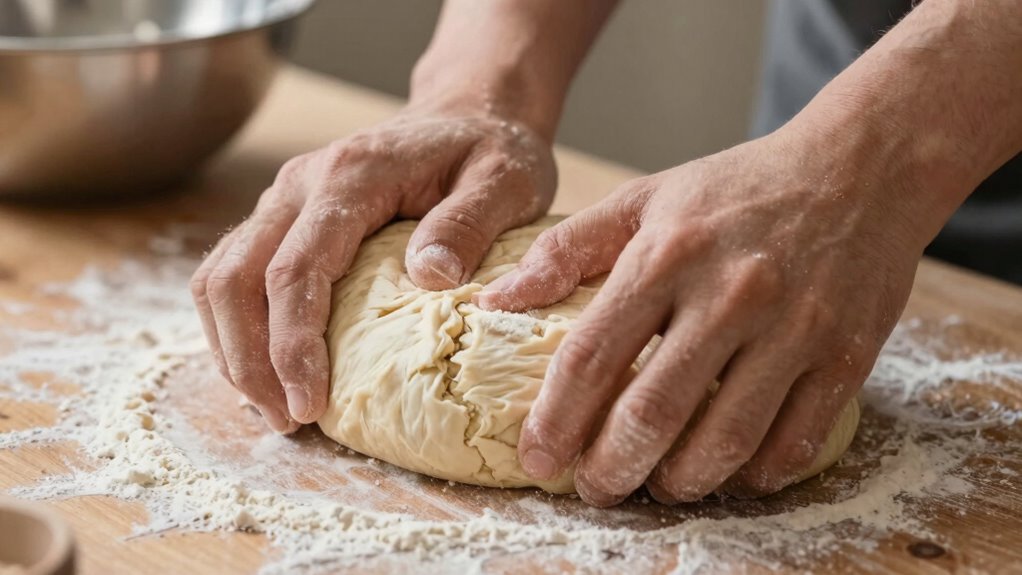
If you’ve noticed your homemade bread turning out tough, the way you mix the dough could be the culprit. One common mistake is how you handle the kneading process, which directly impacts gluten development. Gluten is what gives bread its structure, elasticity, and chewiness. When you overwork the dough, you risk developing too much gluten, resulting in a dense, tough loaf. On the other hand, underkneading can leave the dough weak and unable to trap gas properly, leading to flat, crumbly bread. Striking the right balance in your kneading technique is essential for a tender, airy crumb.
The key is understanding how gluten development works during kneading. As you mix and knead, you’re encouraging gluten strands to form and align, creating a network that holds the gases produced during fermentation. This process, if done correctly, results in a light and chewy bread. But if you’re too aggressive or too gentle, you’ll disrupt this balance. Over-kneading, especially with a stand mixer or by hand, can cause the gluten to become overly dense and tough. Conversely, under-kneading leaves the gluten network underdeveloped, making the bread dense and less elastic. Gluten development is a critical aspect that influences the final texture of your bread. Developing the right amount of gluten is essential for achieving proper dough elasticity, which impacts the overall quality of your bread.
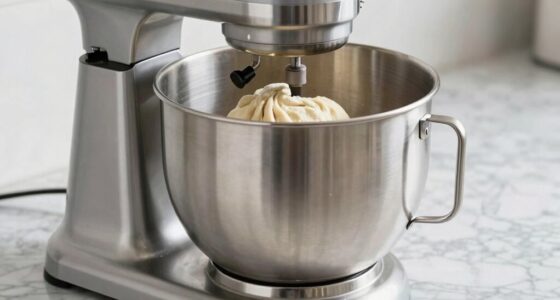
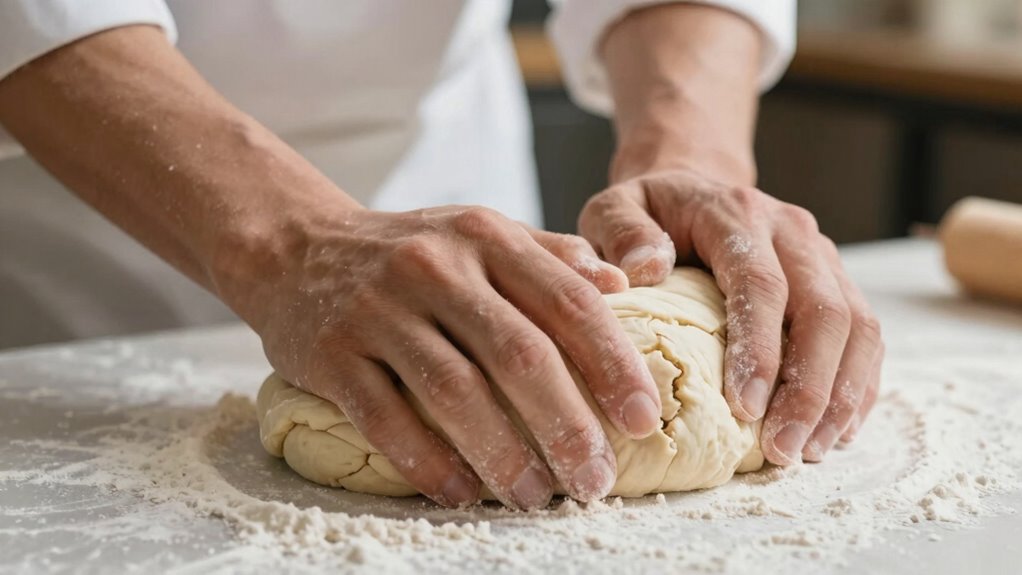
Your kneading technique plays a vital role. If you’re using your hands, aim for a technique that involves folding and pressing rather than vigorous kneading. Push the dough away from you with the heel of your hand, then fold it back over itself, rotating as you go. This method helps develop gluten gradually without overworking it. If you’re using a mixer, keep an eye on the dough’s texture. Stop kneading as soon as the dough becomes smooth, elastic, and slightly tacky. It should pass the “windowpane test,” where you can stretch a small piece of dough into a thin, translucent membrane without tearing. That’s a sign you’ve achieved ideal gluten development. Proper kneading technique ensures a well-structured, tender loaf. Remember, understanding the role of gluten formation during kneading is vital for consistent results. To further enhance your bread-making, paying attention to dough consistency throughout the kneading process can make a significant difference.
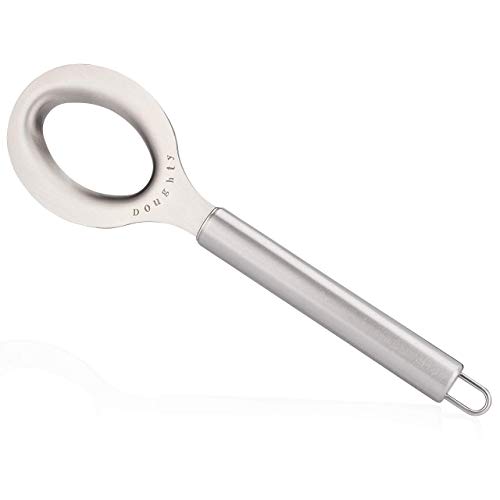
Doughty Stainless Steel Dough Whisk, Danish Dough Whisk Alternative
- Efficient for Thick Doughs: Handles heavy, sticky doughs with ease
- Versatile Baking Tool: Suitable for sourdough, pizza, cookies, and more
- Rust-Resistant Stainless Steel: Made from durable, rust-proof 304-grade steel
As an affiliate, we earn on qualifying purchases.
As an affiliate, we earn on qualifying purchases.
Frequently Asked Questions
How Does Overmixing Affect Gluten Development in Bread?
Overmixing your bread dough breaks down the gluten structure, leading to weaker dough elasticity. As you mix excessively, gluten strands become overly stretched and lose their ability to trap air, resulting in a denser, tougher loaf. You want to mix just enough to develop enough gluten for structure without overdoing it. Proper gluten development creates a dough with good elasticity, which helps your bread rise well and maintain a tender, airy crumb.
Can Using Cold Ingredients Influence Bread Toughness During Mixing?
Using cold ingredients can be like trying to dance with stiff, reluctant partners—your dough becomes tougher and less pliable. Cold ingredient temperature slows gluten formation, and if you mix too quickly, you risk overworking it, which also toughens the bread. To maintain your dough tender and manageable, use room temperature ingredients and moderate your mixing speed. This balance ensures a soft, airy loaf rather than a dense, chewy one.
What Mixing Techniques Prevent Bread From Becoming Too Dense?
To prevent dense bread, focus on proper mixing techniques that develop gluten structure and enhance dough elasticity. You should knead the dough sufficiently to create a strong, stretchable gluten network, but avoid overmixing, which can break down the structure. Incorporate a series of folds during bulk fermentation to improve elasticity and gas retention. These methods help produce a light, airy crumb by ensuring ideal gluten development without overworking the dough.
Does Mixing Time Vary for Different Types of Bread?
Yes, mixing time varies for different types of bread. For example, lean breads with simple ingredients need less mixing, while enriched or high-hydration doughs require longer to develop gluten. You should consider fermentation timing and flour hydration; higher hydration doughs often need longer mixing to guarantee even gluten development. Adjust your mixing time based on the bread type to achieve the desired texture, avoiding overmixing or undermixing.
How Can I Tell if I’ve Mixed the Dough Enough?
You can tell you’ve mixed the dough enough by checking its dough consistency and using proper kneading techniques. When the dough becomes smooth, elastic, and slightly tacky, it’s a good sign. It should pass the windowpane test—stretching thin without tearing. If it feels stiff or sticky, keep kneading. Remember, over-mixing can toughen bread, so stop once you reach that ideal, stretchy texture.

Rapid & Accurate Gluten Sensitivity Test Kit for Coeliac Disease – Allergy Detection (RUO)
- High Accuracy: Detects gluten sensitivity with 98% accuracy
- Safe and Hygienic: Sterile materials for safe testing
- User-Friendly Design: Easy to use with clear instructions
As an affiliate, we earn on qualifying purchases.
As an affiliate, we earn on qualifying purchases.
Conclusion
If you keep mixing your bread dough too much, it can make your loaves tougher and less tender. Studies show that overmixing can increase gluten development, leading to a denser texture. Just remember, a simple change—like mixing just until combined—can drastically improve your bread’s softness. So next time, resist the urge to overmix. Your bread will thank you with a lighter, fluffier crumb, making every slice more enjoyable.
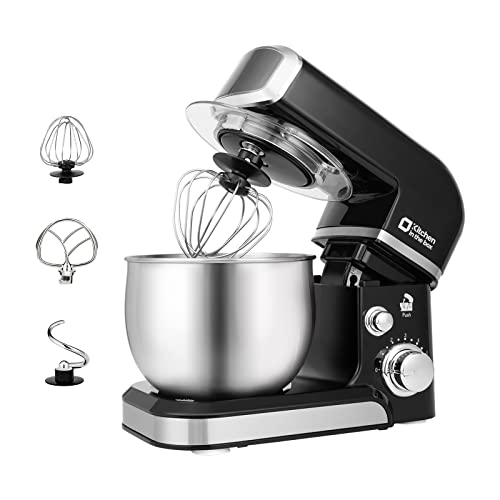
Kitchen in the box Stand Mixer,3.2Qt Small Electric Food Mixer,6 Speeds Portable Lightweight Kitchen Mixer for Daily Use with Egg Whisk,Dough Hook,Flat Beater (Black)
- Compact and Lightweight: Less than 7lbs, space-saving design
- Multiple Color Options: Variety of colors to match kitchen decor
- 3.2Qt Stainless Steel Bowl: Ideal for small families or baking beginners
As an affiliate, we earn on qualifying purchases.
As an affiliate, we earn on qualifying purchases.
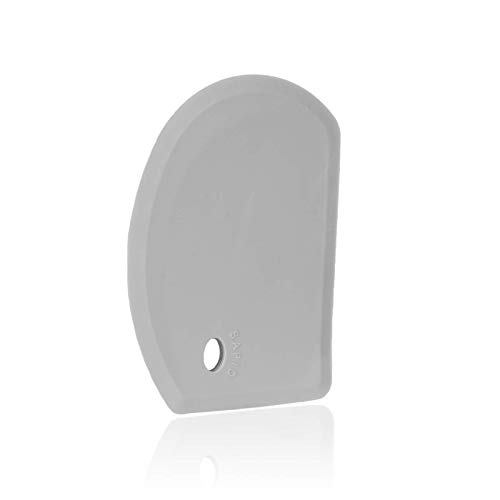
Sapid Flexible Curved Edge Silicone Bowl Scraper Dough Scraper Baking Bread
- Practical Design: Flexible, heat-resistant silicone and stainless steel
- Perfect Size: Large, ergonomic grip for easy handling
- Multifunctional Tool: Divides dough, scrapes bowls, and more
As an affiliate, we earn on qualifying purchases.
As an affiliate, we earn on qualifying purchases.