Chilled custards and cream fillings are safest when kept in the refrigerator for no more than 2 to 4 days, depending on ingredients. To stay safe, store them in airtight containers at or below 40°F, and check for signs of spoilage like sour smell, discoloration, or sliminess before consuming. Proper handling and timely disposal guarantee you enjoy them safely. If you want detailed tips, you’ll find more useful information below.

Get baking supplies delivered free with Prime
- Fast, free delivery on millions of items
- Prime Video, Amazon Music and more included
- Member-only deals all year
Key Takeaways
- Custard-based fillings are generally safe for about 2 days when refrigerated properly.
- Cream fillings with dairy or whipped components last up to 3-4 days in the fridge.
- Always check for spoilage signs like sour smell, discoloration, or texture changes before consuming.
- Store custards in airtight containers at or below 40°F (4°C) to maximize freshness and safety.
- Discard any custard leftovers after 2-3 days or if spoilage indicators are present to prevent foodborne illness.
Products Worth Considering

Cuisinart ICE-70P1 2-Quart Ice Cream Maker with Countdown Timer

KitchenAid Artisan 5-Quart Tilt-Head Stand Mixer, Almond Cream

Instant Pot InstantChill Ice Cream Maker with Rolled Ice Cream Cold Plate, 2-Pint
As an affiliate, we earn on qualifying purchases.
What Are Custards and Cream Fillings?
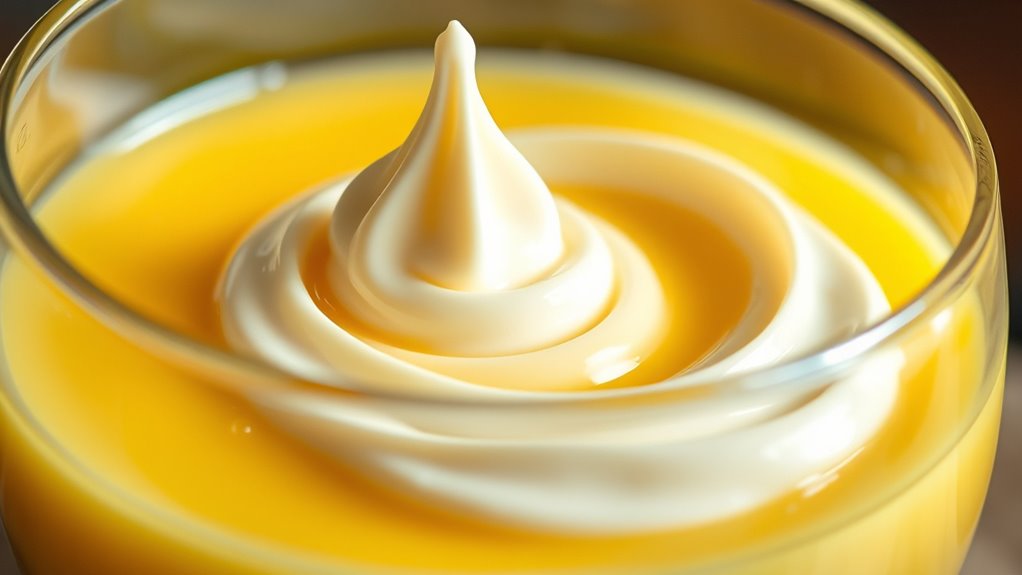
Have you ever wondered what makes custards and cream fillings so smooth and flavorful? It all comes down to their base ingredients and preparation methods. Custard variations include options like pastry cream, crème brûlée, and stirred custard, each offering unique textures and flavors. Cream filling types range from rich, butter-based fillings to lighter, whipped varieties. These fillings typically combine dairy, eggs, sugar, and flavorings, then are cooked or whipped to achieve their silky consistency. The process influences how thick or pourable they become, making them perfect for filling pastries, cakes, or serving on their own. Additionally, filtration systems in your kitchen appliances can help maintain the quality and freshness of ingredients used in these fillings, ensuring optimal food safety and consistency. Proper storage temperatures are also essential to prevent bacterial growth and spoilage, which is why understanding time limits for refrigeration is crucial. Implementing accurate storage guidelines helps preserve the delicate texture and flavor of custards and cream fillings, preventing spoilage and waste. Maintaining the correct temperature control during storage is vital for food safety and quality. Understanding the different custard variations and cream filling types helps you appreciate their versatility and how they add richness to your favorite desserts.
What Factors Influence How Long Custards and Creams Stay Good?

How long your custards and creams stay fresh depends on several key factors. Proper storage conditions and how long they’re kept in the fridge play a big role in their shelf life. Keeping them at the right temperature helps prevent spoilage and guarantees they stay delicious longer. Additionally, using high-quality air purifiers can help maintain a cleaner environment, reducing airborne contaminants that may accelerate spoilage. Regularly checking your refrigerator’s temperature settings ensures optimal storage conditions for perishable items. Ensuring proper air circulation inside the fridge can also aid in maintaining consistent temperatures and prolong freshness. Maintaining consistent temperature control is essential, as fluctuations can cause bacteria growth and spoilage.
Shelf Life Factors
The shelf life of custards and cream fillings primarily depends on storage conditions and ingredient freshness. Your custard consistency can change over time, becoming thinner or grainy, which signals it may be past its prime. Similarly, cream flavor profiles can diminish or develop off-notes when kept too long, indicating spoilage. The quality of ingredients used—fresh eggs, dairy, and flavorings—directly impacts how long the custard remains safe and enjoyable. Additionally, the pH level and stabilizers influence microbial growth, affecting shelf life. If the custard or cream develops an unusual odor, color, or texture, it’s a clear sign to discard it. Understanding these factors helps you better judge whether your custards and creams are still good to use or need to be replaced. Proper storage Temperature control is crucial in maintaining freshness and preventing spoilage, especially in home security systems can also influence how long stored food remains safe, especially in case of power outages or equipment failure. Furthermore, microbial growth is a primary concern that can accelerate spoilage if conditions are not ideal. Regularly monitoring storage conditions can help extend the shelf life of these dairy-based products. Also, maintaining optimal pH levels can inhibit the growth of harmful bacteria, thus prolonging freshness.
Storage Conditions
Proper storage conditions are essential for extending the shelf life of custards and cream fillings. When stored properly, you can maintain the custard’s smooth texture and the cream’s rich flavor longer. Factors like temperature, humidity, and container type directly impact freshness. Additionally, monitoring storage temperatures regularly helps ensure the custards and creams stay within safe and optimal ranges. Use airtight containers to prevent contamination and moisture loss, which can cause the custard to become watery or the cream to develop off-flavors. Avoid temperature fluctuations, as they can cause the custard’s texture to become grainy and diminish the cream’s flavor. Maintaining consistent storage conditions also helps preserve the quality and safety of your custards and creams. Proper storage keeps your custards tasting fresh and smooth longer, especially when temperature control is carefully maintained. Regularly checking food safety guidelines can also help prevent spoilage and ensure your treats remain safe to enjoy. To further enhance food safety, consider labeling stored items with the date to track freshness effectively.
How Should You Store Custards and Cream Fillings for Max Freshness?

To keep custards and cream fillings at their freshest, it’s crucial to store them properly right after preparation. For custard variations, use airtight containers to prevent absorption of odors and contamination. Cover the surface with plastic wrap to minimize air exposure and reduce the risk of spoilage. When storing cream fillings, especially those with delicate cream flavorings, keep them chilled at or below 40°F (4°C). Avoid leaving them out at room temperature for extended periods. If you plan to use different custard recipes or cream flavorings later, label containers clearly with dates and ingredients. Proper storage not only preserves texture and flavor but also extends their safe freshness, ensuring your desserts stay delicious and safe to enjoy.
How Long Can You Keep Custards and Cream Fillings in the Fridge?
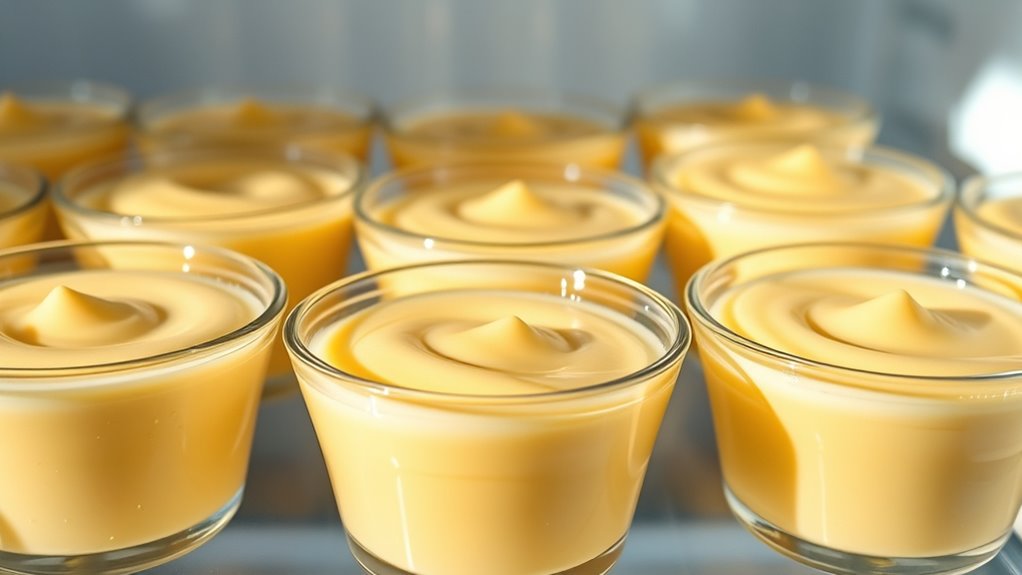
Once you’ve stored custards and cream fillings properly, it’s important to know how long they stay safe to eat. Generally, most custard variations and cream filling types can last in the fridge for about 2 to 4 days. Keep in mind:
- Custard-based fillings, like pastry cream, should be consumed within 2 days.
- Cream fillings made with whipped cream or dairy tend to last up to 3-4 days if kept at a consistent cold temperature.
- Longer storage risks bacterial growth, especially with egg-rich custards or dairy-heavy fillings, so it’s best to use them sooner rather than later. Proper refrigeration is crucial for maintaining their safety.
- Using airtight containers helps maintain freshness and prevent contamination during storage. Proper storage techniques also include keeping the temperature steady to inhibit bacterial growth.
Always check for any signs of spoilage before consuming, and store your custards and cream fillings in airtight containers for maximum freshness.
How Can You Tell When Custards or Cream Fillings Have Gone Bad?
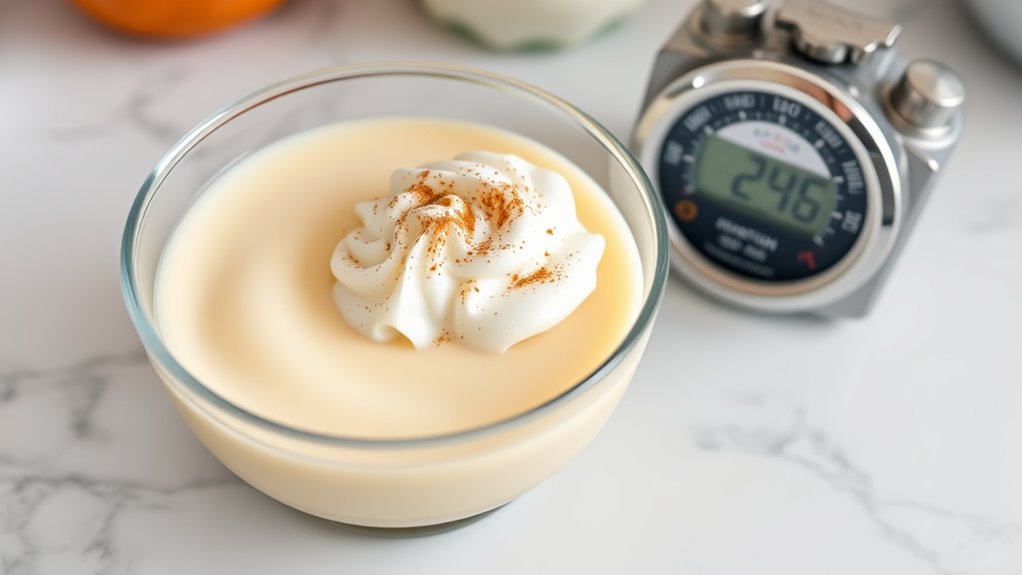
Knowing the signs that custards or cream fillings have gone bad is essential to avoid foodborne illness. First, check for a sour or off custard flavor—any deviation indicates spoilage. Next, examine the cream texture; if it feels slimy, lumpy, or excessively watery, discard it. Visual cues also matter: look for mold, discoloration, or a change in surface appearance. Use this chart to spot spoilage signs:
| Sign | What to Look For | Why It Matters |
|---|---|---|
| Change in flavor | Sour or rancid taste | Indicates bacterial growth |
| Texture alteration | Slimy, lumpy, or watery | Breaks down the cream’s structure |
| Appearance | Mold or discoloration | Microbial contamination |
Trust your senses—when in doubt, throw it out! Additionally, proper storage is crucial to prolong the freshness of custards and cream fillings. Proper storage can help prevent bacterial growth and extend the safe consumption period. Being aware of shelf life guidelines can also help prevent spoilage before it happens.
What Are the Risks of Eating Expired Custards or Cream Fillings?
Eating expired custards or cream fillings can put you at risk of bacterial growth, which may cause food poisoning. You might experience symptoms like nausea, vomiting, or stomach cramps if harmful bacteria develop. It’s best to avoid consuming products past their expiration to protect your health.
Bacterial Growth Risks
Have you ever wondered what dangers lurk in expired custards or cream fillings? Bacterial growth is a serious concern because these products can quickly become unsafe. As pH levels rise over time, they create a more favorable environment for bacteria to thrive. Here are some risks:
- Bacteria like Salmonella or Listeria can develop, leading to foodborne illnesses.
- Insufficient preservative use accelerates bacterial proliferation, especially after expiration.
- Spoiled custards may also produce harmful toxins that aren’t destroyed even with heating.
Always check the expiration date and storage conditions. Consuming expired fillings increases your risk of infection, especially if the pH balance has shifted or preservatives have degraded, reducing their protective effect.
Food Poisoning Symptoms
Consuming custards or cream fillings past their expiration date can expose you to various food poisoning symptoms. Foodborne illness from spoiled homemade desserts often causes nausea, vomiting, diarrhea, and stomach cramps. You might also experience fever, chills, or dehydration, especially if the bacteria or toxins are strong. In some cases, symptoms can be severe, leading to hospitalization. If you notice a sour smell, discoloration, or an unusual texture, avoid eating the dessert altogether. Eating expired custards or cream fillings increases your risk of illness because bacteria like Salmonella or Listeria can grow unnoticed. Protect yourself by always checking expiration dates and discarding any homemade desserts that seem off. Being cautious helps prevent discomfort and potential health complications.
How Can You Store Custards to Keep Them Safe and Delicious?

To keep custards safe and delicious, proper storage is essential. You want to preserve their rich custard flavor variations and the integrity of different cream filling types. Here are three tips:
- Store custards in airtight containers to prevent contamination and moisture loss.
- Keep them refrigerated at or below 40°F (4°C) and place them on the middle shelf for consistent temperature.
- Label containers with dates to track freshness, especially if you made multiple flavors or types.
Avoid leaving custards out at room temperature for more than two hours. Proper storage maintains their safety and flavor, ensuring each spoonful is as delightful as when you first made it.
When and How Should You Discard Leftover Custards Safely?
When leftover custards have been stored beyond their safe timeframe or show signs of spoilage, it’s important to discard them promptly to prevent foodborne illness. If your custard recipes or cream fillings develop a sour smell, change in texture, or discoloration, don’t take any chances. Even if they look okay, if they’ve been in the fridge for more than 2-3 days, it’s safer to toss them out. Use a spoon to check for any sliminess or unusual appearance. Proper disposal involves sealing the custard in a plastic bag and discarding it in your trash to avoid contamination. Remember, always trust your senses—when in doubt, it’s better to discard than risk food poisoning. Keeping safe with custard and cream fillings depends on timely, conscientious disposal.
Frequently Asked Questions
Can I Freeze Custards and Cream Fillings Safely?
Yes, you can freeze custards and cream fillings safely if you use proper freezing techniques. Transfer them into airtight storage containers to prevent freezer burn and maintain freshness. Make sure to cool them completely before freezing, and label containers with dates. When you’re ready to use them, thaw in the refrigerator and reheat gently. Proper handling guarantees your custards stay safe and taste delicious after freezing.
What Signs Indicate Bacterial Growth in Custards?
You can tell bacterial growth is happening in custards if you notice sour or off smells, a slimy texture, or discoloration. Bacterial indicators often include visible mold development or bubbles forming on the surface. If you see any of these signs, it’s safest to discard the custard, as bacteria can cause foodborne illnesses. Always rely on your senses to spot spoilage and prevent health risks.
Are There Preservatives That Extend Custard Shelf Life?
You can use artificial preservatives or natural alternatives to extend custard shelf life. Artificial preservatives like potassium sorbate or sodium benzoate inhibit bacterial growth effectively, while natural options like lemon juice or honey also help preserve freshness. Incorporating these ingredients can keep your custard safe longer, but always check for any added chemicals or allergies. Proper storage and hygiene remain essential for safety, regardless of preservatives used.
How Does Temperature Affect Custard Spoilage Rate?
Temperature greatly impacts custard spoilage, as fluctuations can accelerate microbial proliferation. When you keep custard at inconsistent or warmer temperatures, bacteria grow faster, increasing spoilage risk. To prevent this, you should maintain a steady, cold temperature, ideally below 40°F (4°C), and avoid temperature fluctuations. Doing so slows microbial growth, keeps your custard fresh longer, and ensures safety and quality.
Is It Safe to Consume Custard Past Its Expiration Date?
Think of eating custard past its expiration like playing roulette with foodborne illnesses—risky and uncertain. It’s generally unsafe since bacteria can grow even if it looks or smells fine. Dairy safety is essential; consuming expired custard increases your chances of food poisoning. Always check the date, and when in doubt, discard it. Better safe than sorry, especially with delicate dairy products like custard.
Conclusion
To keep your custards and cream fillings safe and delicious, follow proper storage guidelines and trust your senses. While some believe bacteria can grow instantly once the expiration date passes, research shows it’s usually a gradual process. So, use your judgment—if it smells or looks off, don’t risk it. When in doubt, discard leftovers to avoid any health surprises. Better safe than sorry, especially when it comes to creamy treats!