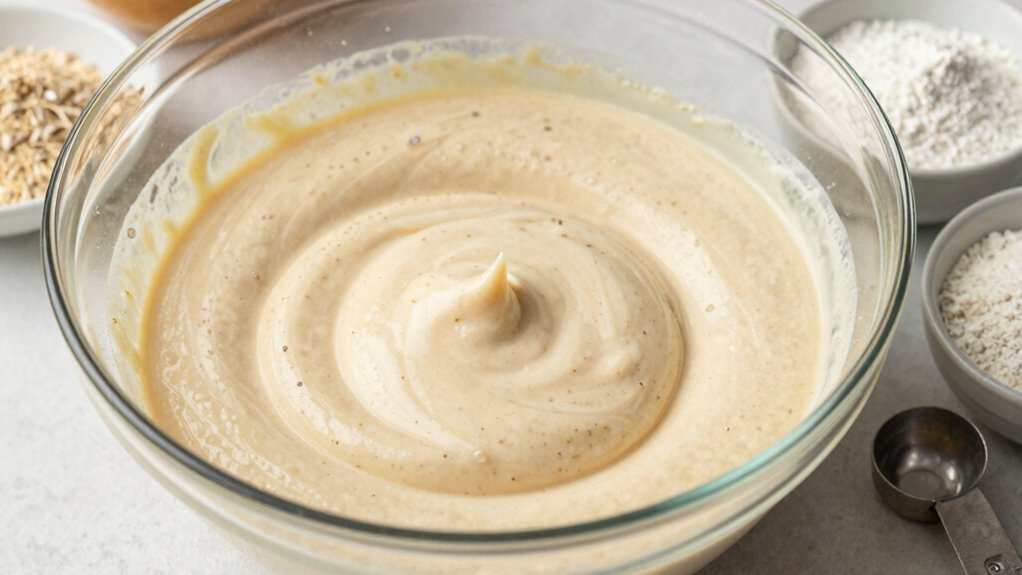
Xanthan gum is a natural additive that acts like gluten in gluten-free baking, giving your baked goods structure and strength. It helps prevent crumbling and keeps items moist and fresh longer. By creating a network within the batter or dough, it traps air bubbles and supports a desirable texture, whether chewy or tender. Using the right amount guarantees your treats hold together perfectly. Keep exploring further to discover how to use it effectively in different recipes.

Get baking supplies delivered free with Prime
- Fast, free delivery on millions of items
- Prime Video, Amazon Music and more included
- Member-only deals all year
Key Takeaways
- Xanthan gum acts as a natural binder, mimicking gluten to improve dough structure and prevent crumbling in gluten-free baked goods.
- It enhances texture and mouthfeel, making baked items chewy, tender, and with a desirable crumb.
- Xanthan gum extends shelf life by retaining moisture and preventing quick staling of gluten-free treats.
- It dissolves quickly in liquids and can be added to dry or wet ingredients to stabilize baked products.
- Overall, xanthan gum ensures consistent, well-structured, and shelf-stable gluten-free baked goods.
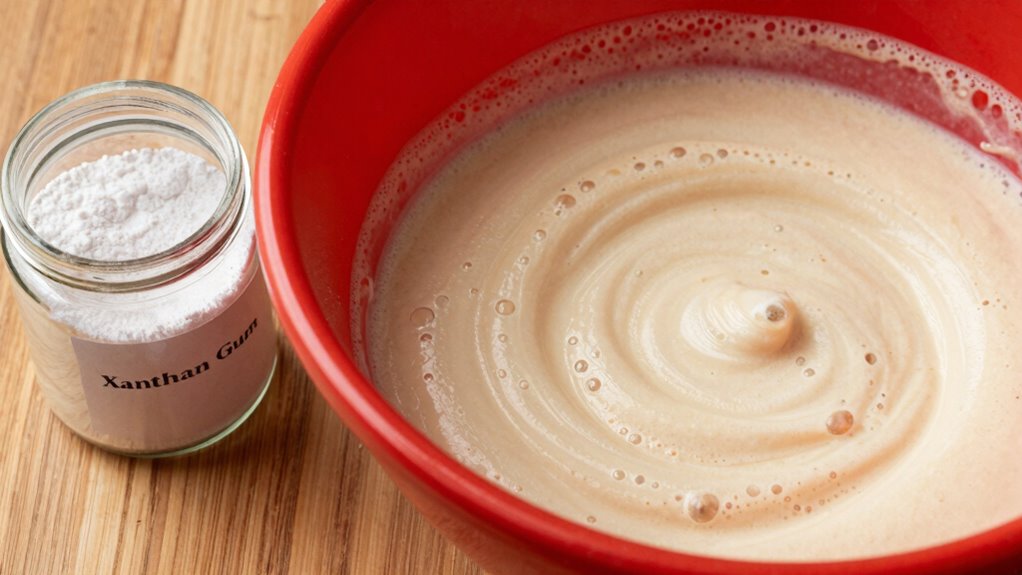
Have you ever wondered how gluten-free baked goods achieve the right texture and structure? It’s a common challenge, but that’s where xanthan gum comes into play. This powerful additive acts as a natural binder, mimicking the role gluten usually plays in traditional baking. When you add xanthan gum to your recipes, you’re fundamentally giving your baked goods the support they need to hold together, preventing crumbling and ensuring they’re pleasantly chewy or tender, depending on what you’re making. Its ability to improve texture enhancement makes it a staple in gluten-free baking. Without it, your muffins might fall apart, and your bread could be dense and crumbly. Xanthan gum creates a network within the batter or dough, trapping air bubbles and helping the final product achieve a desirable crumb and mouthfeel. This results in baked goods that are not only structurally sound but also have a pleasing texture that resembles traditional wheat-based items. Additionally, xanthan gum can help improve the overall baking process, leading to more consistent results each time you bake.
In addition to texture enhancement, xanthan gum plays a vital role in shelf stability. Baked goods without gluten tend to be more fragile and prone to drying out quickly. By incorporating xanthan gum, you help extend the freshness of your treats. It retains moisture and prevents them from becoming stale as fast, allowing your baked goods to stay soft and delicious for longer periods. This is especially important if you’re baking in advance or selling products commercially, where shelf life is a concern. The gum’s ability to stabilize the structure also means your cookies, cakes, and bread hold their shape better during storage and transportation. It reduces the risk of collapse or deformation, ensuring your baked creations look appealing even days after baking.
Using xanthan gum is straightforward—you typically need only a small amount, about a teaspoon per cup of flour in most recipes. It dissolves quickly in liquids, so you can mix it directly into your dry ingredients or blend it into your wet ingredients before combining everything. Its versatility means it works well in various baked goods, from bread and muffins to cakes and pie fillings. Just keep in mind that too much xanthan gum can make your baked goods gummy or overly chewy, so precision is key. When used correctly, it’s a dependable ingredient that transforms your gluten-free baking, giving your treats the right texture and ensuring they stay fresh longer. With xanthan gum, you gain confidence in creating baked goods that look, feel, and taste just right.
xanthan gum for gluten-free baking
As an affiliate, we earn on qualifying purchases.
As an affiliate, we earn on qualifying purchases.
Frequently Asked Questions
Can Xanthan Gum Cause Allergies or Sensitivities?
Yes, xanthan gum can cause allergy symptoms or sensitivity risks in some people. If you have a food allergy or are sensitive to certain ingredients, you might experience symptoms like stomach discomfort, skin rashes, or respiratory issues after consuming it. To avoid these risks, check labels carefully and consider trying small amounts first. If you notice any adverse reactions, it’s best to consult with a healthcare professional.
Is Xanthan Gum Suitable for Vegan Baking?
Yes, xanthan gum is suitable for vegan baking because it’s a vegan ingredient and acts as a plant-based binder. You can confidently use it in your recipes to replace eggs or other animal-derived binders. It helps improve texture and elasticity in baked goods, making it a popular choice for vegan cooks. Just make certain you use the right amount, and you’ll get consistent, delicious results every time.
How Does Xanthan Gum Compare to Guar Gum?
Xanthan gum generally provides a smoother, more stable texture compared to guar gum, which can sometimes create a slightly gritty feel. When it comes to binding properties, xanthan gum is often more effective at holding ingredients together, especially in baked goods. If you want a consistent, elastic texture, xanthan gum is usually the better choice. Guar gum works well too, but might require a slightly larger amount for similar results.
What Are the Storage Tips for Xanthan Gum?
Want to keep your xanthan gum fresh? Store it in an airtight container in a cool, dry place away from direct sunlight. Proper storage conditions prevent clumping and spoilage, extending its shelf life, which can last up to 2 years if kept sealed. Always check for any signs of moisture or discoloration before use. Don’t underestimate this simple step—your baked goods depend on it!
Are There Natural Alternatives to Xanthan Gum?
Yes, you can find natural alternatives to xanthan gum, especially plant-based thickeners like chia seeds, flaxseed meal, and arrowroot powder. These options are often allergen-free and work well in gluten-free baking, providing similar binding and thickening properties. Just keep in mind that each substitute may require adjustments in your recipes, but they’re great for maintaining a vegan, allergen-free, and natural approach to baking.
As an affiliate, we earn on qualifying purchases.
Conclusion
Remember, patience is a virtue, especially in gluten-free baking. Xanthan gum is your secret weapon for achieving that perfect texture and structure. It helps your baked goods come together smoothly, giving you bakery-quality results at home. So, don’t get discouraged if things take a little longer; with a little effort and the right ingredients, you’ll enjoy tasty, gluten-free treats. Keep at it—good things come to those who wait and bake!
As an affiliate, we earn on qualifying purchases.
As an affiliate, we earn on qualifying purchases.
Halloween Picks
halloween
As an affiliate, we earn on qualifying purchases.