Opening the oven door causes heat and airflow disruptions that can ruin delicate baked goods like soufflés and cheesecakes, which rely on stable temperatures to rise properly. Meanwhile, sturdier items like cookies or puff pastries are less affected because they tolerate temperature drops better. When you open the door, you interrupt the heat flow and air circulation, leading to uneven results or collapsed rises. Keep going to uncover more insights on how different baked goods respond.

Get baking supplies delivered free with Prime
- Fast, free delivery on millions of items
- Prime Video, Amazon Music and more included
- Member-only deals all year
Key Takeaways
- Sensitive baked goods like soufflés depend on stable heat to rise properly; opening the door causes deflation.
- Opening the oven disrupts air circulation and heat retention, affecting items requiring precise, consistent temperatures.
- Resilient baked goods, such as cookies or puff pastry, are less affected by temperature fluctuations.
- Sudden temperature drops prevent proper setting and rising, leading to dense or deflated baked items.
- Maintaining steady oven conditions ensures even baking and preserves delicate structures.

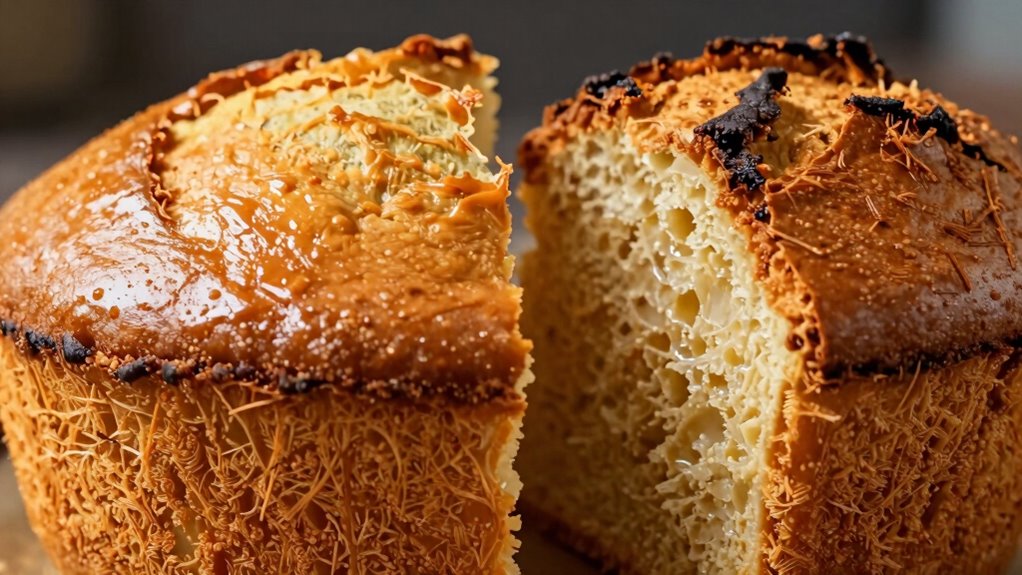
Opening the oven door might seem harmless, but it can dramatically affect how your baked goods turn out—sometimes ruining them, sometimes not. The key lies in understanding how temperature fluctuations and air circulation effects come into play when you interrupt the baking process. When you open the door, you let out heat, causing a sudden drop in temperature inside the oven. This temperature fluctuation can interfere with the delicate balance needed for certain baked goods to rise and set properly. For instance, cakes and soufflés rely heavily on stable heat to develop their structure. When the heat escapes, they may deflate or become dense because the internal structure doesn’t set as expected.
Not all baked goods react the same way to opening the oven door. Some items are more resilient, while others are highly sensitive to even small changes. Pastries like puff pastry or thin cookies, for example, depend less on precise temperature control and more on quick, even baking. For them, a brief opening might not cause much harm. But for items that require a specific oven environment—like soufflés or cheesecakes—any interruption can be disastrous. The sudden temperature drop affects how the heat is distributed and can prevent proper rising or cause uneven baking. Additionally, heat retention plays a crucial role in maintaining the optimal baking environment, and opening the door can compromise that.
Air circulation effects are also critical. When you open the door, you disrupt the continuous flow of hot air inside the oven. This air circulation is essential for even heat distribution, which ensures consistent baking results. If the hot air escapes or is replaced with cooler air from outside, the oven struggles to maintain uniform temperature. The result? Uneven browning, undercooked centers, or overly dry edges. Additionally, the change in air circulation can cause the oven’s thermostat to work harder to recover the set temperature, leading to longer bake times or temperature instability. These fluctuations can be particularly problematic for baked goods that require strict temperature control to achieve the desired texture and appearance. Understanding the importance of air circulation can help improve your baking consistency and prevent mishaps.
As an affiliate, we earn on qualifying purchases.
Frequently Asked Questions
How Does Oven Temperature Affect Baking Outcomes When Opening the Door?
When you open the oven door, the temperature drops, affecting baking consistency. Higher oven temperatures can better withstand these temperature fluctuations, keeping baked goods rising properly. Lower temperatures, however, make bakes more sensitive to door opening, causing uneven results or collapsing. To maintain consistent outcomes, try minimizing door openings during critical baking phases, especially at lower oven temperatures, ensuring your baked goods turn out perfect every time.
Can Opening the Oven Door Cause Uneven Baking?
Yes, opening the oven door can cause uneven baking. When you do this, hot air escapes, leading to temperature fluctuations that disrupt oven door safety and affect baking consistency. These sudden changes can cause delicate baked goods to collapse or cook unevenly. To maintain consistent results, avoid opening the oven door unless necessary, and trust your oven’s heat to do its job. This helps guarantee even baking every time.
Are Certain Baking Pans More Sensitive to Temperature Changes?
Certain baking pans are more sensitive to temperature changes, especially those with thin walls or made from materials like glass or aluminum. Thinner pans and glass pans heat and cool faster, making them more prone to temperature fluctuations when you open the oven. Thicker pans and those made from materials like cast iron or heavy-duty steel retain heat better, providing more stability during baking. Always choose your pan based on how sensitive to temperature shifts your recipe requires.
Does Opening the Oven Door Impact the Texture of Baked Goods?
Opening the oven door impacts the texture of baked goods by causing sudden drops in baking temperature stability. This can prevent items like soufflés or delicate cakes from rising properly, leading to denser results. To make certain oven door safety and maintain consistent baking temperature, avoid peeking too often. Keeping the door closed allows heat to stay steady, helping your baked goods develop the right texture and appearance.
How Quickly Should I Close the Oven Door After Checking?
Think of your oven as a delicate dance partner—every move counts. When you check your bake, close the oven door swiftly, ideally within a few seconds, to maintain oven door safety and temperature stability. Prolonged opening can cause temperature drops, affecting baking time adjustments and the final result. So, be quick and confident; your baked goods will thank you for it.
As an affiliate, we earn on qualifying purchases.
Conclusion
So, next time you’re baking, remember that opening the oven door can be a game-changer. Notably, studies show that opening the door during the first 10 minutes of baking can cause up to a 20% drop in rise for delicate cakes, but sturdier bread often isn’t affected. Keep the door closed during those essential early moments, and your baked goods will turn out better—trust the science and your instincts!
silicone oven mitts heat resistant
As an affiliate, we earn on qualifying purchases.
As an affiliate, we earn on qualifying purchases.
oven thermometer for precise baking
As an affiliate, we earn on qualifying purchases.
As an affiliate, we earn on qualifying purchases.
Halloween Picks
halloween
As an affiliate, we earn on qualifying purchases.