
Carryover heat causes your cakes, cookies, and bars to keep cooking even after you take them out of the oven, which can affect their texture and doneness. Thicker or denser items tend to retain more residual heat, leading to overbaking if not managed properly. Adjusting oven temperature and cooling techniques helps control this effect. Stay tuned to discover how to master carryover heat for perfect baked goods every time.

Get baking supplies delivered free with Prime
- Fast, free delivery on millions of items
- Prime Video, Amazon Music and more included
- Member-only deals all year
Key Takeaways
- Carryover heat continues to cook baked goods after removal, affecting internal doneness and texture.
- Larger or denser items retain more residual heat, leading to increased internal temperature rise.
- Higher oven temperatures generate more carryover heat, risking overbaking if not managed properly.
- Proper cooling on racks allows heat dissipation, preventing sogginess and uneven textures.
- Adjusting baking temperature and timing helps control the impact of carryover heat for ideal results.
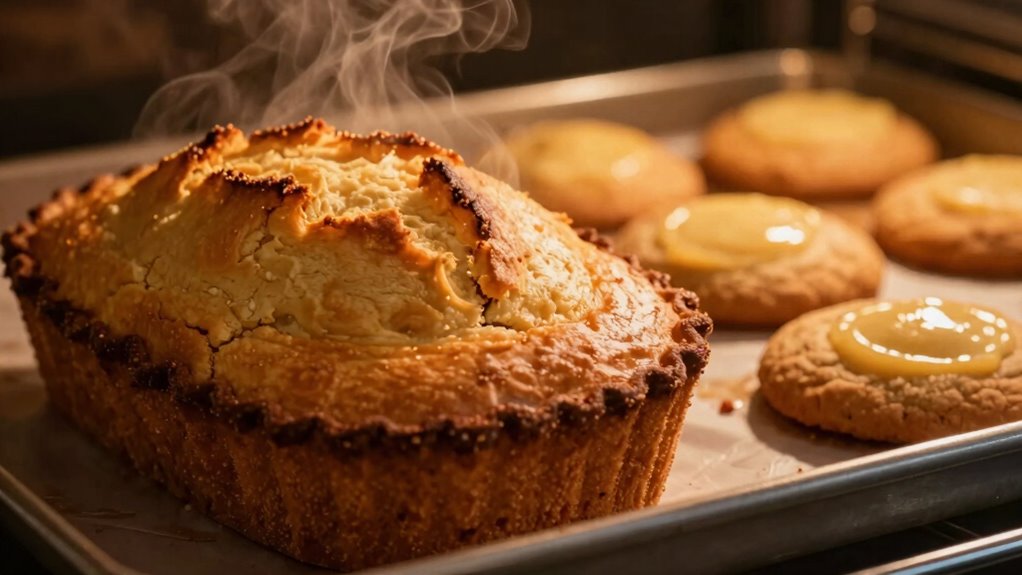
Have you ever wondered why a freshly baked loaf continues to cook even after you take it out of the oven? The answer lies in the concept of carryover heat. When you remove baked goods like cakes, cookies, or bars from the oven, they don’t stop cooking instantly. Instead, residual heat inside the food keeps cooking the interior for a few minutes. This phenomenon, called carryover heat, results in the internal temperature rising slightly even after you’ve turned off the oven. That’s why it’s essential to understand how to manage this heat to achieve perfect textures and don’t end up overbaking your treats.
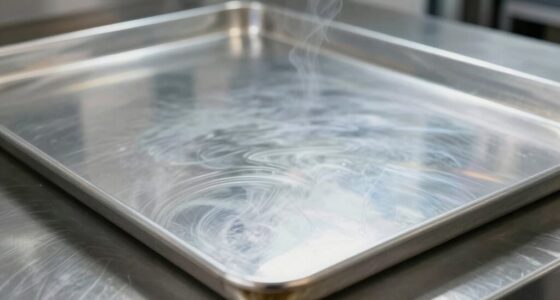
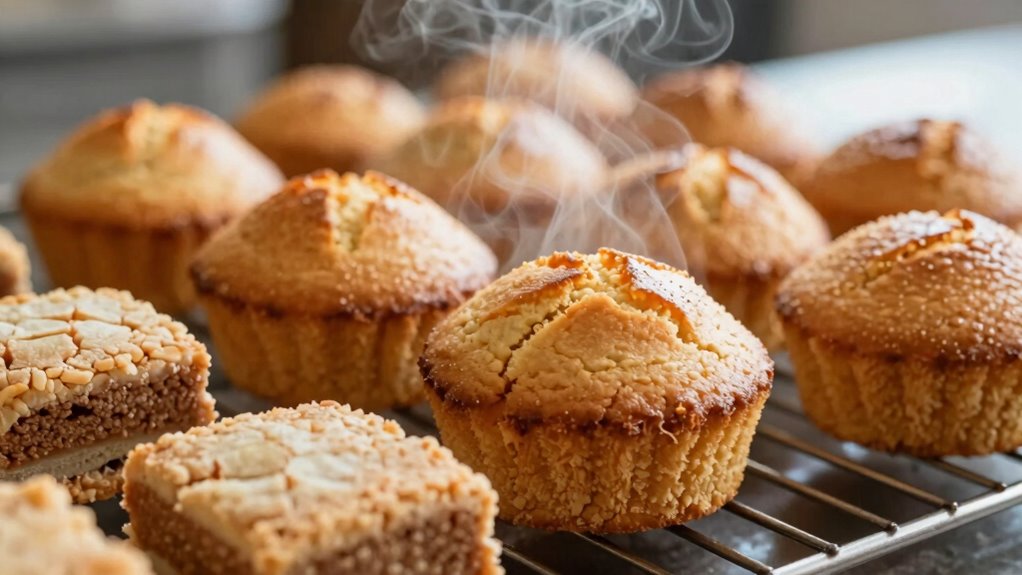
When you pull a cake or cookie sheet from the oven, placing it onto cooling racks allows the heat to dissipate evenly. Cooling racks elevate your baked goods, preventing them from sitting in their own heat and moisture, which can cause sogginess or uneven cooling. This airflow helps slow down the residual cooking process, giving your baked goods a better chance to settle into their ideal texture. If you leave them on the hot baking sheet or in a warm pan, the heat can linger and continue to cook the interior, possibly leading to a dry or overdone center. Using cooling racks is a simple yet effective way to manage carryover heat, ensuring your cakes and cookies don’t overcook after removal from the oven.
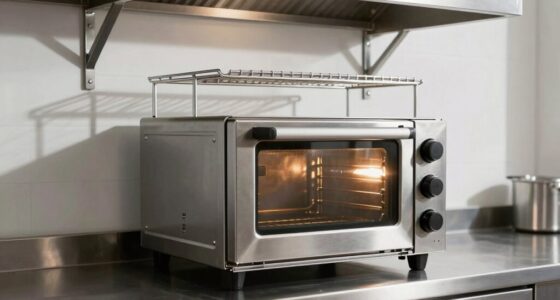
Understanding oven temperature is equally important. Baking at a higher temperature results in more intense heat, which can cause the edges to brown quickly while the interior is still underdone. Once out of the oven, that excess heat continues to transfer inward, especially if the baked good is large or dense. Adjusting oven temperature during baking can help control how much carryover heat is generated. For example, slightly lowering the oven temperature can reduce the internal temperature spike, making it easier to avoid overbaking. Remember, the higher the oven temperature, the more carryover heat will be generated, so keep this in mind when baking delicate items like cakes, where a gentle, even finish is desired. Additionally, knowing that carryover heat can vary depending on the size and density of your baked goods helps you make more precise adjustments for optimal results. Being aware of baking times and how they impact residual heat is also crucial for achieving consistent outcomes. Properly managing baking techniques ensures your baked goods reach their perfect state without unnecessary overcooking. And finally, using an oven thermometer can help you monitor actual temperatures more accurately, aiding in better control over your baking process. Being mindful of baking environment factors, such as humidity and air circulation, can also influence how carryover heat affects your baked items.
Products Worth Considering

Le Creuset Enamemed Cast Iron Oval Dutch Oven, 5 qt., White/Crucible

Le Creuset Signature Enameled Cast Iron Round Dutch Oven, 5.5 qt, Deep Teal

Le Creuset Enameled Cast Iron Round Dutch Oven, 5.5 Qt, Flame
As an affiliate, we earn on qualifying purchases.
Frequently Asked Questions
How Does Carryover Heat Affect Different Types of Baked Goods?
Carryover heat affects baked goods by continuing to cook them after removal from the oven, which can lead to overbaking if not managed. You should use cooling techniques like transferring items to a wire rack promptly to prevent excess heat transfer. Ingredient adjustments, such as reducing baking time or temperature, help account for carryover heat’s impact, ensuring cakes, cookies, and bars retain their ideal texture and moisture without becoming overly dry or dense.
Can Carryover Heat Cause Overbaking or Burning?
Yes, carryover heat can cause overbaking or burning if you don’t use proper cooling techniques and ingredient adjustments. As baked goods cool, residual heat continues to cook them, so removing them from the oven early helps prevent over-baking. You might also adjust ingredients like reducing sugar or fat to lessen heat retention. Monitoring your baked goods during cooling guarantees they don’t get overly done or burn, keeping their perfect texture.
How Can I Control Carryover Heat to Prevent Overcooking?
Think of controlling carryover heat like steering a ship through calm waters. To prevent overcooking, use cooling techniques such as removing baked goods from the pan promptly and letting them cool on a wire rack. Proper heat distribution during baking ensures even cooking, reducing residual heat. By managing cooling and heat flow, you keep your treats perfectly baked, avoiding the danger of overbaking or burning as the warmth gently diminishes.
Does Altitude Influence the Impact of Carryover Heat?
Altitude effects can influence how carryover heat impacts your baked goods. At higher altitudes, the lower air pressure causes baked items to cool and set faster, but carryover heat might still cause overcooking if you don’t adjust your baking temperature. To prevent this, lower your baking temperature slightly and remove baked goods from the oven promptly. These adjustments help manage carryover heat effectively, ensuring your cakes, cookies, and bars turn out perfect.
How Long Does Carryover Heat Typically Last After Removing From the Oven?
Carryover heat lasts about 5 to 10 minutes after you take your baked goods out of the oven, like a gentle wave still moving through them. To manage this, use proper cooling techniques, such as transferring items to a wire rack. Lowering the baking temperature slightly can also help prevent overbaking. During this time, your treats continue to cook, so patience guarantees they turn out perfect without overdoing it.
Conclusion
Understanding carryover heat helps you perfect your baked goods. Did you know that carryover heat can raise the internal temperature of a cake by up to 10°F even after removing it from the oven? This means your cake continues to cook and set during those vital minutes. By accounting for this, you can avoid over-baking and achieve perfectly moist, tender treats every time. Keep this in mind, and your baked goods will turn out just right!