
To prevent flour pockets without overmixing, start by sifting your dry ingredients to break up lumps and guarantee even distribution. Gradually add liquids while stirring continuously, which helps hydrate the flour evenly and prevents clumping. Incorporate dry ingredients thoroughly before adding liquids, and use tools like a whisk or sieve for smoother mixing. If you want to discover more effective techniques, keep going—you’ll find some helpful tips ahead.

Get baking supplies delivered free with Prime
- Fast, free delivery on millions of items
- Prime Video, Amazon Music and more included
- Member-only deals all year
Key Takeaways
- Sift dry ingredients thoroughly to break up lumps and ensure even distribution before adding liquids.
- Gradually incorporate liquids while stirring continuously to prevent clumping.
- Mix flour with small amounts of cold liquid or fat beforehand to create a smooth slurry.
- Use a whisk or fine-mesh sieve during mixing to break up any remaining clumps.
- Incorporate dry ingredients into wet gradually, avoiding sudden additions that cause pockets.

Have you ever noticed flour pockets ruining the texture of your baked goods or thickened sauces? These clumps can make your dishes uneven and unappealing. Luckily, there are effective techniques to avoid clumping without overmixing, which can sometimes deflate your batter or alter the final texture. The key is to incorporate alternative mixing methods that promote even distribution of flour, ensuring your recipes turn out smooth and uniform.
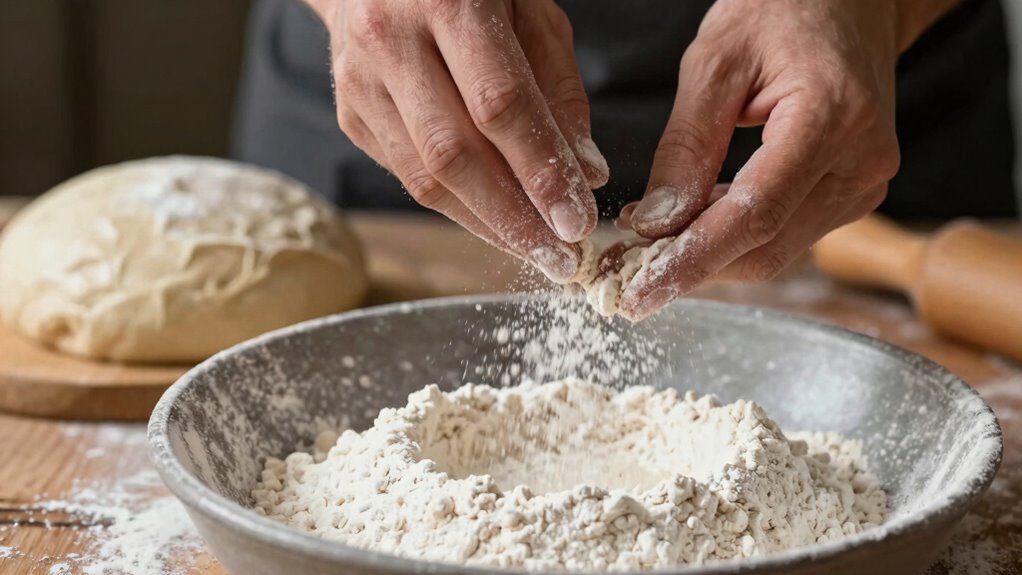
One of the simplest techniques to avoid clumping is to sift your flour before adding it to your mixture. Sifting breaks up any lumps and aerates the flour, making it easier to blend seamlessly. You can also combine your flour with other dry ingredients, like salt or baking powder, before adding liquids. Mixing these dry ingredients thoroughly ensures that the flour is evenly dispersed, reducing the chance of pockets forming later. When you add wet ingredients, do so gradually, stirring continuously to promote gradual incorporation. This slow addition allows the flour to hydrate evenly, preventing sudden clumps from forming.
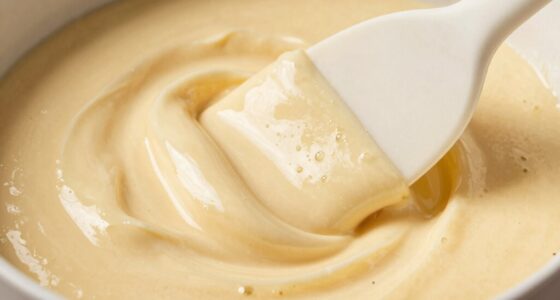
Another effective method involves creating a slurry or paste before adding flour to your main mixture. For example, if you’re making a roux or thickening a sauce, mix your flour with a small amount of cold liquid—water, broth, or milk—until you achieve a smooth paste. This technique ensures the flour is evenly distributed and minimizes clumping when you add the slurry to hot liquids. Similarly, for baking, you can combine the flour with melted butter or oil, forming a smooth mixture before folding it into other ingredients. This alternative mixing method helps distribute the flour evenly without overmixing the entire batter.
Using a whisk instead of a spoon or spatula can also help prevent clumping. Whisking vigorously breaks up any lumps and incorporates air, leading to a smoother batter or sauce. If you’re working with dry ingredients that tend to clump, a fine-mesh sieve or sifter can help break up these clumps during the mixing process. For thicker batters or doughs, consider employing a stand mixer with a paddle attachment set to a low speed. This provides consistent mixing without overworking the ingredients and creating gluten buildup, which can result in tough baked goods.
As an affiliate, we earn on qualifying purchases.
Frequently Asked Questions
Can Using a Different Type of Flour Reduce Pockets?
Yes, using a different type of flour can minimize pockets by affecting gluten development and ingredient substitution. Opt for finer flours like cake or pastry flour, which blend more smoothly and create less gluten, decreasing the chance of pockets. When you choose a different flour, it helps guarantee a more even mixture, preventing pockets without overmixing. This simple switch can make your batter smoother and your baked goods more consistent.
Does the Temperature of Ingredients Affect Flour Pocket Formation?
Imagine your ingredients as a warm embrace, where temperature gently guides their unity. Yes, ingredient temperature affects flour pocket formation; cold ingredients can cause lumps, while room-temperature ones blend smoothly. When your batter reaches a consistent, silky texture, it’s easier to avoid pockets. Keep your ingredients at similar, moderate temperatures, and you’ll create a harmonious batter with no stubborn flour clumps, ensuring even, perfect baking results.
Are There Specific Mixing Tools Better for Preventing Pockets?
Using a fine-mesh sifter helps prevent flour pockets by evenly distributing the flour into your mixture, reducing clumps. Opt for a whisk or silicone spatula, which allows you to incorporate flour gently and thoroughly. Employ mixing techniques like folding or slow, steady stirring. These tools and methods work together to break up pockets early, ensuring a smooth batter without overmixing.
How Does Resting the Batter Influence Flour Distribution?
Resting the batter helps improve flour distribution by allowing the flour to fully hydrate and settle evenly throughout. When you let it rest, any clumps dissolve, reducing the chances of pockets forming during baking. This resting period gives the ingredients time to meld, resulting in a smoother, more uniform batter. As a result, your baked goods will have a consistent texture and appearance, free of uneven flour pockets.
Can Adding Liquids Gradually Help Avoid Pockets?
Sure, gradually adding liquids is like a magic trick for perfect batter. It helps you master liquid incorporation and prevents pesky flour pockets. Use gentle, consistent mixing techniques—think of it as coaxing the ingredients into harmony rather than forcing them. Pour slowly, fold carefully, and resist the urge to rush. Your batter will thank you with a smooth, even texture, and you’ll avoid those annoying flour clumps that sabotage your baking masterpiece.
As an affiliate, we earn on qualifying purchases.
Conclusion
By following these simple tips, you can easily prevent flour pockets and achieve a smooth batter every time. Remember to sift your flour, add it gradually, and mix gently. Did you know that overmixing can develop gluten and make baked goods tough? Keeping your mixing light and steady helps maintain the perfect texture. With practice, you’ll master this skill and enjoy consistently smooth, delicious results in your baking adventures.
As an affiliate, we earn on qualifying purchases.
As an affiliate, we earn on qualifying purchases.
Halloween Picks
halloween
As an affiliate, we earn on qualifying purchases.