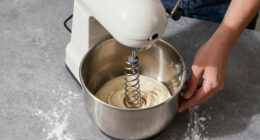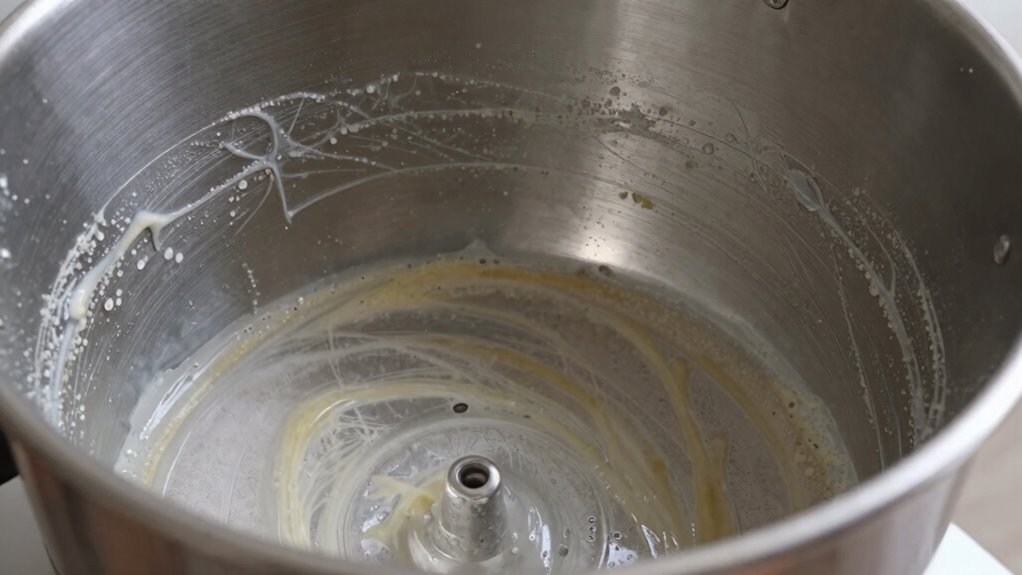

Underfilling your large mixer may seem harmless, but it quietly increases ingredient waste, which raises costs over time. It causes uneven mixing, leading to product quality issues and potential rework. Additionally, improper load sizes put extra strain on equipment, accelerating wear and increasing maintenance. This inefficiency also results in higher energy use and safety risks for staff. Keep these hidden costs in mind—there’s more to uncover that could save you money and improve safety.
Key Takeaways
- Underfilling increases ingredient waste, raising operational costs and reducing overall profitability.
- It accelerates equipment wear, leading to frequent repairs and shortened machinery lifespan.
- Small batch loads heighten energy consumption due to more start/stop cycles.
- Inconsistent fill levels cause uneven mixing, compromising product quality and increasing rework.
- Improper loading heightens safety risks from vibration and machinery imbalance.
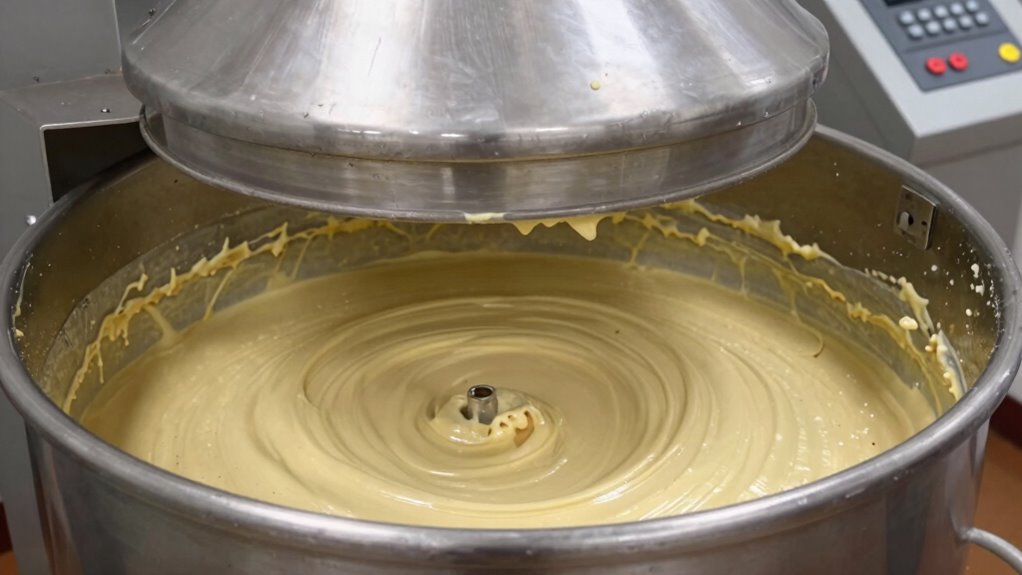
Underfilling a large mixer might seem like a minor mistake, but it can lead to significant hidden costs that impact your efficiency and bottom line. When you don’t fill the mixer adequately, you risk ingredient wastage — leftover materials that aren’t used efficiently. These wasted ingredients might seem insignificant at first glance, but over time, they add up, increasing your costs unnecessarily. Moreover, underfilling can cause your equipment to work harder than it’s designed for, leading to uneven mixing and increased wear and tear. This accelerated equipment wear can result in more frequent repairs or replacements, which further drain your resources.
Underfilling mixers causes ingredient waste, uneven mixing, and accelerated equipment wear, increasing costs and reducing efficiency.
You might think that running the mixer with smaller loads saves energy or reduces cleaning time, but in reality, it often does the opposite. Small batches mean your mixer operates more frequently, increasing overall energy consumption. Each time you start and stop the machine, you put additional stress on its components, hastening deterioration. This not only shortens the lifespan of your equipment but also incurs downtime that hampers production schedules. The more your equipment wears down prematurely, the higher your maintenance costs become, cutting into your profit margins. Additionally, proper fill levels help ensure the mixer functions efficiently, reducing unnecessary strain on the machinery. Properly optimized load sizes can also help in maintaining consistent product quality.
Furthermore, inconsistent mixing caused by underfilling can compromise product quality. You might end up with uneven textures or improperly blended ingredients, which can lead to product rejections or the need for reprocessing. These production inefficiencies translate into wasted time, labor, and materials, all of which impact your operational costs. Over time, recurring quality issues due to improper mixing can damage your reputation and customer satisfaction, creating long-term financial repercussions. Regularly monitoring loading practices can help prevent these issues from escalating.
In addition to ingredient wastage and equipment wear, underfilling can also cause safety concerns. When machinery isn’t loaded correctly, it can vibrate excessively or operate unevenly, posing risks to your staff. This risk might lead to accidents or damage that could be costly to repair and could even halt your operations temporarily. Ensuring proper fill levels not only maximizes your equipment’s lifespan but also maintains a safer work environment. Proper load management also plays a crucial role in preventing potential operational hazards.
Finally, understanding the importance of consistent operation can help you avoid unnecessary costs associated with irregular machinery performance. Ultimately, the true costs of underfilling go beyond just the immediate waste of ingredients. They ripple through your entire operation, affecting equipment longevity, product quality, safety, and profitability. By paying close attention to correct fill levels, you save money in the long run, reduce unnecessary wear, and optimize your production process. It’s a simple adjustment that can make a significant difference in your efficiency and bottom line.

VEVOR Commercial Food Mixer 15Qt, Commercial Mixer with 3 Adjustable Speeds, 550W Dough Mixer,Commercial Stand Mixer with Stainless Steel Bowl
INNOVATION DESIGN — It features a lever adjuster for easy raising or lowering of the bowl, which is…
As an affiliate, we earn on qualifying purchases.
As an affiliate, we earn on qualifying purchases.
Frequently Asked Questions
How Does Underfilling Affect the Mixer’s Lifespan?
Underfilling your large mixer can shorten its lifespan by causing uneven wear on its components. When you neglect proper mixer calibration and filling accuracy, the motor works harder to handle inconsistent loads, leading to increased strain. Over time, this extra effort accelerates part degradation and increases maintenance needs. To extend your mixer’s life, guarantee precise calibration and accurate filling, reducing unnecessary stress and maintaining peak performance.
Are There Safety Risks With Underfilled Large Mixers?
Yes, underfilled large mixers can pose safety hazards. When the mixer isn’t properly filled, it may become unstable during operation, increasing the risk of tipping or sudden movement. This instability can cause accidents or injuries to operators. To guarantee safety, always follow manufacturer guidelines on fill levels, and avoid operating the mixer with insufficient material, as it jeopardizes equipment stability and creates unnecessary risks.
What Maintenance Issues Arise From Consistent Underfilling?
Consistently underfilling a large mixer leads to cleaning challenges because leftover ingredients stick to the bowl’s surfaces, making maintenance more time-consuming. Additionally, it can cause increased noise levels during operation, as the empty space amplifies vibrations. You might notice more frequent equipment checks and added cleaning routines, which can also accelerate wear and tear on the mixer’s components, ultimately raising your maintenance costs and downtime.
Can Underfilling Impact Product Quality?
Think of your mixer as a symphony conductor; underfilling disrupts the harmony. When you don’t fill the mixer properly, ingredient consistency suffers, leading to uneven batches. This impacts product quality, causing variations in texture, taste, or appearance. Even a small shortfall can throw off batch uniformity, risking customer dissatisfaction. Ensuring proper filling maintains the integrity of your process and the quality your customers expect.
How Does Underfilling Influence Energy Consumption?
Underfilling a large mixer reduces energy efficiency because the motor consumes nearly the same power regardless of load, leading to higher energy costs per unit produced. This inefficiency increases operational expenses and has cost implications over time. By ensuring proper filling levels, you optimize energy use, lower electricity bills, and improve overall productivity, making your operations more sustainable and cost-effective.
VEVOR Commercial Food Mixer 15Qt, Commercial Mixer with 3 Adjustable Speeds, 550W Dough Mixer,Commercial Stand Mixer with Stainless Steel Bowl
INNOVATION DESIGN — It features a lever adjuster for easy raising or lowering of the bowl, which is…
As an affiliate, we earn on qualifying purchases.
As an affiliate, we earn on qualifying purchases.
Conclusion
If you underfill a large mixer, you’re like a chef skimping on ingredients—missing out on the full flavor and risking costly errors. The hidden costs, from wasted energy to equipment damage, can sneak up on you like a shadow in the corner. To avoid these pitfalls, always fill your mixer properly. It’s the secret ingredient to efficiency and longevity, ensuring your process runs smoothly, just like a perfectly seasoned dish that leaves everyone craving more.
TUFF Level Tool Shatterproof, Waterproof, Durable Cross Check T Level For RV Leveling, Motorhome, Camping – Trailer, Construction, Hobby – Spirit Bubble Level – 2-Way Leveler Accessories – USA
► DURABLE ◄ Shatterproof, waterproof, unbreakable design made to withstand harsh environments.
As an affiliate, we earn on qualifying purchases.
As an affiliate, we earn on qualifying purchases.
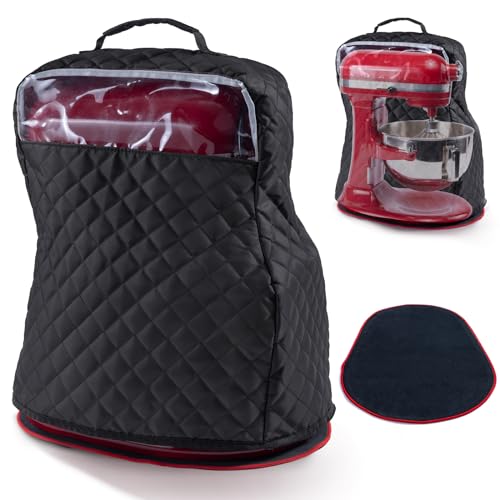
BAGSPRITE Stand Mixer Cover with Appliance Sliders Compatible with KitchenAid Mixer 6/7/8 Quart with Pockets for Kitchen Aid Accessories and Attachments
【Move Your Mixer With Ease 】 – The dust cover comes with a mixer slider mat, which helps…
As an affiliate, we earn on qualifying purchases.
As an affiliate, we earn on qualifying purchases.