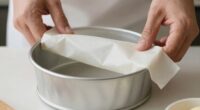
Psyllium husk is your secret to building a strong, elastic structure in gluten-free bread. It acts like gluten, trapping air and moisture to create a chewy, cohesive crumb. To get the best results, mix it thoroughly with your dry ingredients and let the dough rest so it fully hydrates. Proper hydration and technique are key, and if you keep exploring, you’ll discover how to perfect your bread’s texture every time.

Get baking supplies delivered free with Prime
- Fast, free delivery on millions of items
- Prime Video, Amazon Music and more included
- Member-only deals all year
Key Takeaways
- Properly hydrate psyllium husk by mixing thoroughly with dry ingredients before adding liquids.
- Allow the dough or batter to rest post-mixing to enable full hydration and structure development.
- Use the recommended amount—typically 1-2 teaspoons per cup of gluten-free flour—for optimal texture.
- Baking at the correct temperature ensures gel formation, helping to create a sturdy, elastic bread structure.
- Consistent mixing and patience improve dough cohesion, resulting in a tender, chewy gluten-free loaf.
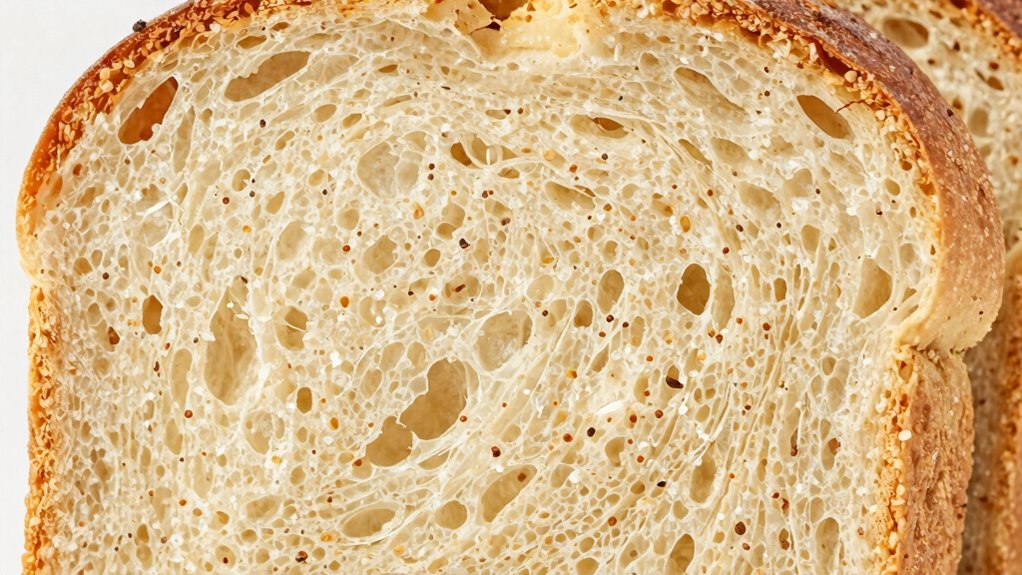
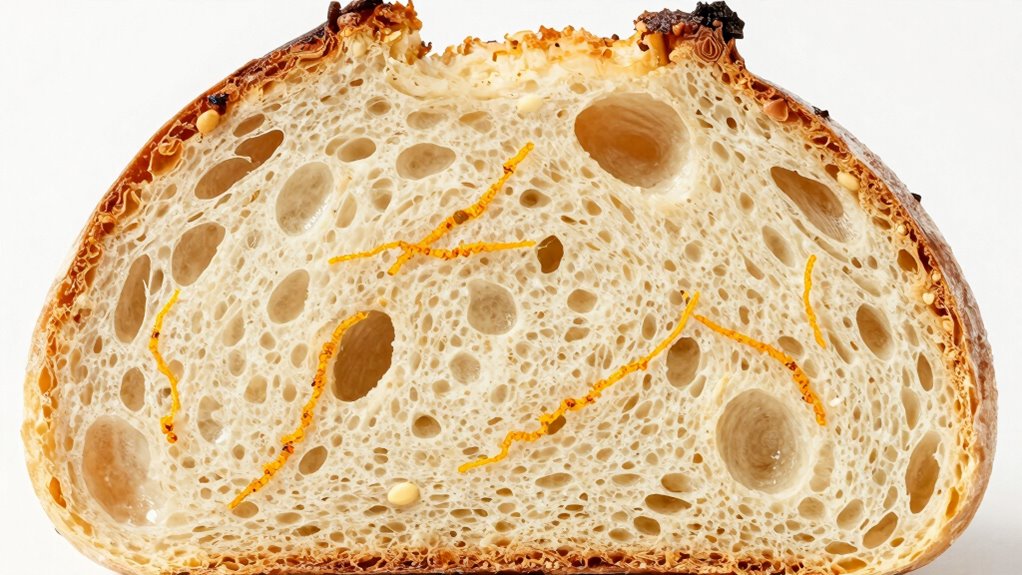
Psyllium husk is a popular ingredient in gluten-free bread because it helps mimic the elasticity and texture of traditional wheat bread. When you’re baking without gluten, achieving the right structure becomes a challenge. That’s where the fiber enhancement from psyllium husk comes into play. Its natural soluble fiber forms a gel-like substance when combined with water, which traps air and moisture, giving your bread a more cohesive and chewy crumb. This gel-like consistency is essential for creating a bread that holds together well and feels satisfying to eat.
Understanding the role of psyllium husk in your recipes means paying attention to baking techniques. For example, incorporating it properly requires mixing it thoroughly with dry ingredients before adding liquids. This ensures even distribution and maximizes its fiber enhancement properties. You’ll notice that the more you incorporate psyllium, the better your bread’s texture becomes—less crumbly, more elastic, and closer to the feel of traditional bread. It’s a simple but powerful trick that transforms your baked goods.
Mix psyllium thoroughly with dry ingredients before adding liquids for best results.
Using the right amount of psyllium husk is vital. Too little, and your bread may remain dense or fragile; too much, and it could become gummy or overly dense. Usually, about one to two teaspoons per cup of gluten-free flour yields ideal results. You might need to experiment with your specific recipe and ingredients, but once you find that sweet spot, your bread’s structure will markedly improve. Remember, the key is patience and precision—adding psyllium gradually and monitoring the dough’s consistency helps you achieve the perfect loaf.
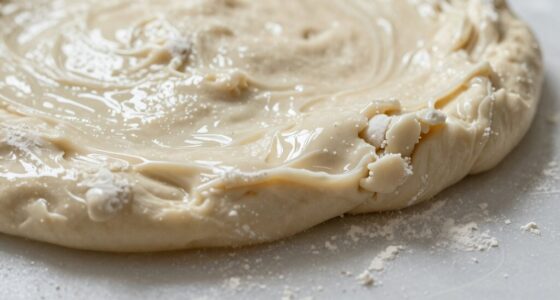
Baking techniques also matter when working with psyllium husk. For instance, allowing the dough or batter to rest after mixing can enhance the fiber’s ability to develop structure. The resting period gives the husk time to fully hydrate, which strengthens the dough and improves elasticity. Additionally, baking at the right temperature ensures that the psyllium gel sets properly, giving your bread a sturdy yet tender crumb. Covering the loaf during the initial baking stages can also help retain moisture, further enhancing the bread’s texture. Proper hydration of the husk is crucial for optimal results.
Psyllium Husk for Gluten-Free Bread
As an affiliate, we earn on qualifying purchases.
As an affiliate, we earn on qualifying purchases.
Frequently Asked Questions
Can Psyllium Husk Replace Eggs in Gluten-Free Bread Recipes?
Yes, you can use psyllium husk as an egg substitute in gluten-free bread recipes. It acts as a binding agent, helping to hold the dough together much like eggs do. Mix one tablespoon of psyllium husk with three tablespoons of water to replace one egg. This natural binding agent improves the bread’s structure and elasticity, making it an effective alternative for those avoiding eggs while maintaining a desirable texture.
How Much Psyllium Husk Is Ideal for Different Bread Types?
For different bread types, you should use about 1 to 3 tablespoons of psyllium husk per cup of flour. Keep pH level considerations in mind, as highly acidic or alkaline environments can affect its gelling properties. Store psyllium husk in an airtight container in a cool, dry place to maintain freshness. Adjust the amount based on desired texture, and always experiment to find what works best for your specific bread recipe.
Does Psyllium Husk Affect the Bread’s Shelf Life?
Yes, psyllium husk can improve your bread’s shelf life by enhancing preservation effects. It helps retain moisture, which keeps the bread fresh longer, and can also boost mold resistance. When you add psyllium, you’re likely to notice your gluten-free bread stays softer and fresher for a more extended period. This natural ingredient acts as a barrier, protecting against mold growth and spoilage, ultimately extending your bread’s freshness.
Are There Any Allergens in Psyllium Husk?
While psyllium husk is generally safe, its allergenic potential is minimal but worth noting. Some individuals might experience mild reactions, and cross reactivity concerns exist for those allergic to plants like Plantago species. If you have known allergies or sensitivities, it’s wise to consult your healthcare provider before incorporating it into your diet. Overall, for most, psyllium husk remains a beneficial, low-risk ingredient.
Can Psyllium Husk Improve Bread Texture Without Added Gums?
Yes, psyllium husk can improve bread texture without added gums. As a fiber supplement, it helps trap air and retain moisture, giving your bread a better rise and softer crumb. Plus, it supports gut health by adding soluble fiber. You’ll notice a more elastic, cohesive dough, making your bread easier to shape and bake. Using psyllium husk is an effective way to enhance texture naturally.
Gluten-Free Bread Baking Supplies
As an affiliate, we earn on qualifying purchases.
As an affiliate, we earn on qualifying purchases.
Conclusion
As you bake, imagine the gentle embrace of psyllium husk weaving through your bread’s crumb, creating a resilient, airy structure. Its natural fibers act like invisible scaffolding, holding everything together with delicate strength. With each slice, you taste the harmony of texture and moisture, a demonstration to your careful choice. Psyllium husk transforms your gluten-free loaf into a masterpiece—light, tender, and beautifully resilient, inviting you to savor the artistry of your baking journey.
As an affiliate, we earn on qualifying purchases.
As an affiliate, we earn on qualifying purchases.
Fall Picks
fall essentials
As an affiliate, we earn on qualifying purchases.