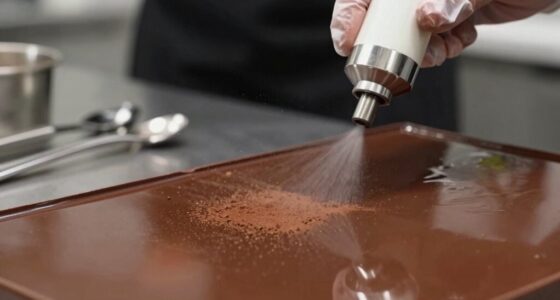

Chocolate molds act like mirrors because even tiny flaws in your technique become visible. When you pour, improper tempering can cause streaks or dull surfaces, while air bubbles from hurried pouring leave holes. Residues or dust on molds create surface imperfections, and scratches or dents can ruin the final look. Every small mistake in handling, cleaning, or technique shows up on the finished product. If you want to master perfect chocolates, understanding how molds reveal these errors is essential—keep exploring to learn more.

Get baking supplies delivered free — and shop member deals
- Fast, free delivery on millions of items
- Access to Prime Big Deal Days deals on October 6–7
- Prime Video, Amazon Music and more included
Key Takeaways
- Molds reveal surface imperfections caused by improper tempering or handling during pouring.
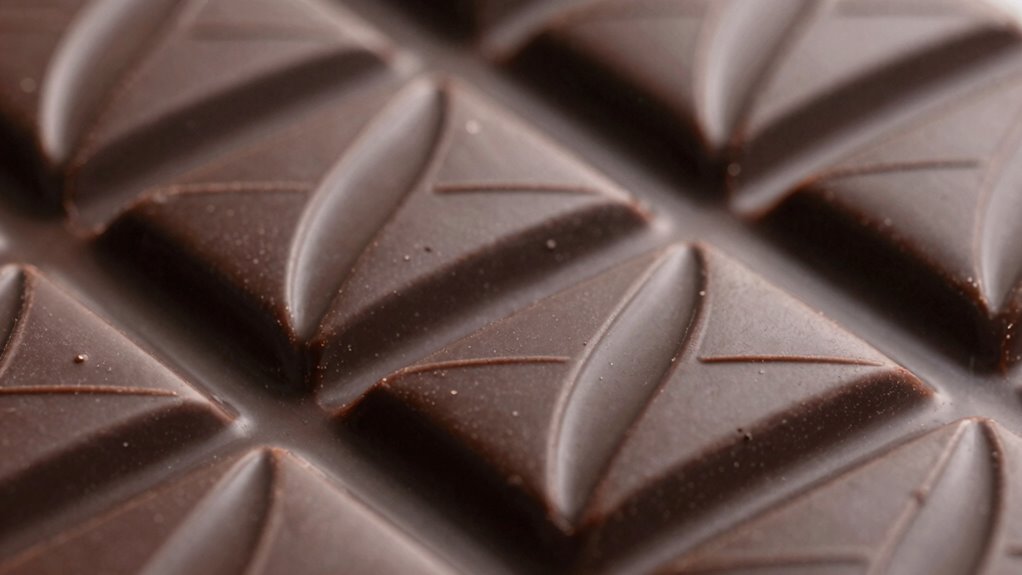
- Tiny flaws become visible due to the smooth, reflective surface of the mold.
- Residual residues or dust on molds cause surface irregularities in the final chocolate.
- Air bubbles trapped during pouring create holes that are easily seen once hardened.
- Molds highlight technique quality, showing flaws like streaks, dullness, or uneven crystallization.
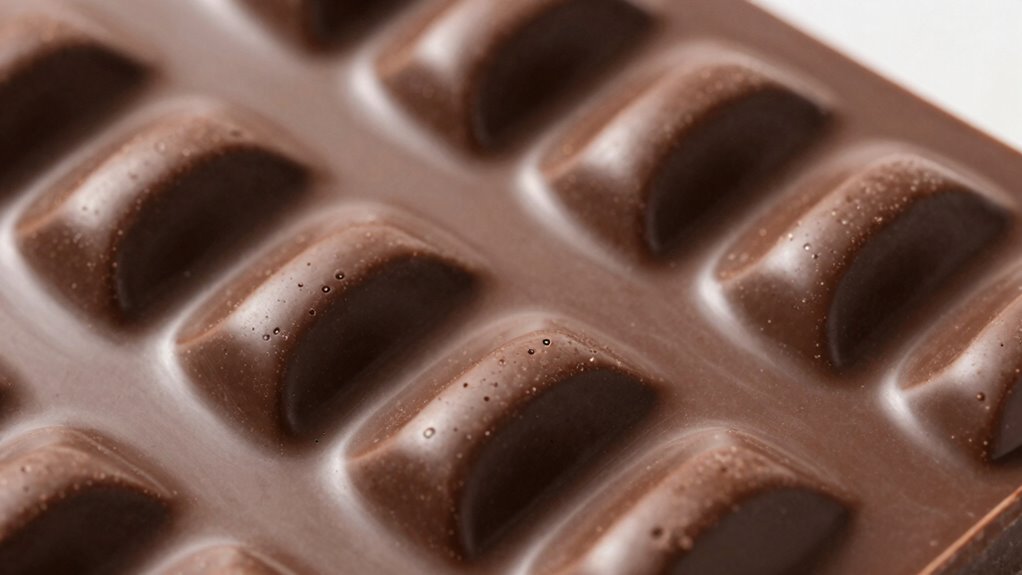
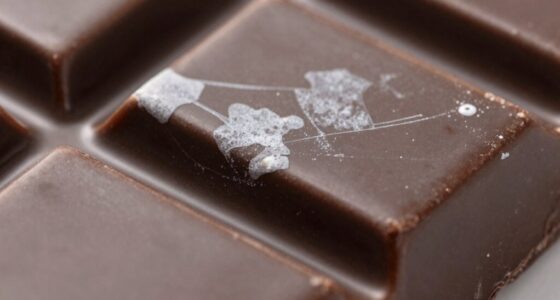
Chocolate molds are more than just tools—they reveal even the smallest mistakes in your technique. When you pour chocolate into a mold, every detail matters. If your tempering process isn’t perfect, flaws become immediately visible. Improper tempering can cause streaks, bloom, or dull surfaces in your finished chocolates, making imperfections glaringly obvious once the chocolate sets in the mold. You might think your technique is solid, but those tiny imperfections in tempering quickly show when you demold. The uneven crystallization of cocoa butter creates a cloudy or dull appearance, which mold designs will accentuate. That’s why mastering tempering imperfections is vital—your chocolate’s smooth, glossy finish depends on it.
Another key factor that molds expose is your mold cleaning techniques. Residual grease, dust, or chocolate buildup in the mold can cause sticking or surface irregularities. Even a tiny speck of residue can leave a mark on your final product, ruining the appearance and texture. When you demold, these flaws become painfully clear, forcing you to scrutinize your cleaning routines. Proper mold cleaning techniques involve thorough washing with warm water, avoiding soap that can leave residues, and ensuring the molds are completely dry before pouring chocolate. Some chocolatiers even recommend wiping molds with isopropyl alcohol to guarantee they’re free of any oils or residues. This extra step helps prevent imperfections caused by contamination and results in a cleaner, more professional finish. Understanding the importance of cleaning techniques can significantly improve your final product’s appearance. Paying close attention to mold maintenance is equally crucial for consistent results. Additionally, employing proper storage practices for your molds can prevent dust and scratches that impact the final look of your chocolates.
The way you handle your molds during the process also impacts the final result. If you don’t tap out excess air or vibrate the molds gently after pouring, air bubbles may form, creating small holes that show up once the chocolate hardens. Mold imperfections like these can be difficult to spot until you try to release the chocolates, making your work look less polished. Being attentive during pouring and setting helps minimize these issues. Additionally, mold material influences how carefully you should handle and clean the molds to avoid damage or surface imperfections. Proper mold storage is also essential to prevent dust or scratches that can affect the appearance of your chocolates once demolded. In addition, the mold material itself plays a role. Some silicone molds are more forgiving, but if you’re using polycarbonate or other rigid molds, you need extra care. Proper mold cleaning techniques tailored to each material ensure a smooth release and flawless surface. Taking these small steps—meticulous cleaning, careful tempering, and gentle handling—makes a visible difference. Your chocolates will look better, and you’ll avoid those frustrating moments where tiny flaws ruin what could be a perfect piece. Molds serve as a mirror to your technique, highlighting areas where you can improve, but with patience and precision, you can achieve beautifully smooth, shiny chocolates every time.
professional chocolate mold cleaning brushes
As an affiliate, we earn on qualifying purchases.
As an affiliate, we earn on qualifying purchases.
Frequently Asked Questions
Can Technique Errors Affect the Taste of the Chocolate?
Technique errors can definitely affect the taste of your chocolate. When you make mistakes, it can lead to flavor inconsistencies and texture variation, which might alter the overall experience. For example, uneven tempering or improper cooling can cause a dull flavor or grainy texture. Paying attention to your technique guarantees flavor consistency and a smooth, enjoyable texture, making your chocolates taste as good as they look.
Are Certain Mold Materials More Forgiving of Technique Mistakes?
Did you know that silicone molds are used by 85% of professional chocolatiers for their forgiving nature? These molds excel because of their mold durability and material flexibility, which allow you to correct small mistakes easily. Unlike rigid metal molds, silicone offers more forgiveness for technique errors, making it easier for you to achieve perfect shapes without cracking or sticking. So, choosing flexible molds can boost your confidence and improve your results.
How Do Temperature Variations Reveal Mold Imperfections?
Temperature variations can reveal mold imperfections by causing uneven chocolate setting. When you don’t maintain temperature consistency, the mold surface’s details might not fill properly, revealing tiny flaws like air bubbles or imperfections. As the chocolate cools unevenly, these imperfections become more noticeable, exposing even small technique errors. Keeping a steady temperature helps guarantee a smooth, flawless surface, hiding tiny flaws and producing a professional-looking chocolate masterpiece.
Do Beginner Chocolatiers Experience More Mold-Related Errors?
Yes, beginner chocolatiers often stumble over mold material and rookie mistakes. They might choose flimsy molds that reveal every imperfection or forget to tap out air bubbles, exposing flaws. These tiny errors, hidden from seasoned pros, become glaring when using delicate molds. So, if you’re just starting, brace yourself—your chocolate masterpieces might look more like abstract art, but hey, practice makes perfect, right?
Can Cleaning Methods Hide or Reveal Tiny Technique Errors?
Cleaning practices directly influence mold surface quality, which can hide or reveal tiny technique errors. If you don’t clean molds thoroughly, residue may mask imperfections, making errors less noticeable. Conversely, meticulous cleaning exposes surface flaws, revealing mistakes you might have missed. So, your cleaning methods matter—using gentle, proper techniques guarantees a smooth surface, helping you identify and correct small errors, leading to better-quality chocolates.
silicone chocolate molds with reflective surface
As an affiliate, we earn on qualifying purchases.
As an affiliate, we earn on qualifying purchases.
Conclusion
So, next time you use a chocolate mold, remember it’s not just about the perfect shape—it’s about revealing every tiny flaw in your technique. Like a mirror, molds reflect your skills back at you, exposing imperfections you might have missed. Embrace these revelations as opportunities to improve, because every misstep is just a step closer to mastery. In the end, it’s not just about flawless chocolates, but about growing with each imperfect masterpiece you create.
As an affiliate, we earn on qualifying purchases.
isopropyl alcohol for mold cleaning
As an affiliate, we earn on qualifying purchases.
As an affiliate, we earn on qualifying purchases.
Halloween Picks
halloween
As an affiliate, we earn on qualifying purchases.