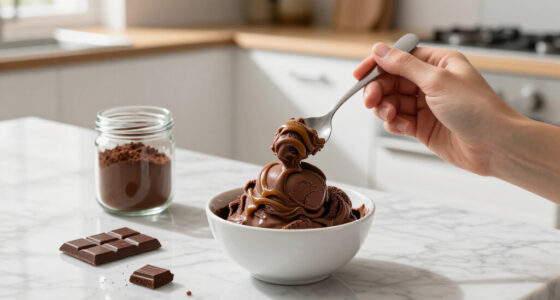
To achieve clean, glossy bonbon shells, you need to master proper tempering of your chocolate, ensuring it’s heated and cooled to specific temperatures to get that mirror-like shine. Handle the shells carefully, avoiding over-stirring and controlling humidity to prevent crystallization or imperfections. Using precise techniques makes your shells smooth, transparent, and resistant to cracking. If you want to discover more tips and secrets, keep exploring the key steps that make professional confections stand out.

Get baking supplies delivered free — and shop member deals
- Fast, free delivery on millions of items
- Access to Prime Big Deal Days deals on October 6–7
- Prime Video, Amazon Music and more included
Key Takeaways
- Proper tempering ensures a glossy, smooth, and reflective bonbon shell surface.
- Maintaining controlled temperature steps prevents streaks, dullness, and cracks in the chocolate.
- Gentle handling and avoiding excessive stirring during sugar crystallization promote transparency and uniformity.
- Managing environmental humidity levels prevents premature crystallization and preserves shell quality.
- Patience and precise techniques during finishing processes ensure professional, durable confections.

If you’ve ever wondered how some bonbons have perfectly smooth, shiny shells, the secret lies in their careful preparation and careful handling. Achieving that glossy finish isn’t just about high-quality ingredients but also about mastering techniques like chocolate tempering and controlling sugar crystallization. When you understand and execute these processes well, you can create shells that are not only attractive but also durable and easy to handle.
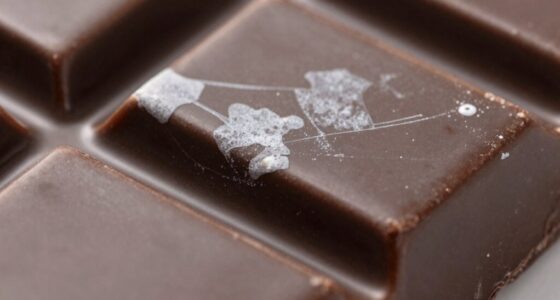
Chocolate tempering is the cornerstone of a clean, glossy bonbon shell. It involves carefully heating, cooling, and agitating chocolate to stabilize its fat crystals. This process ensures that the cocoa butter in the chocolate forms uniform crystals, which give the shell its shiny appearance and firm texture. If you skip tempering or do it improperly, the chocolate may appear dull, develop streaks, or crack easily. To temper chocolate correctly, you need to follow precise temperature ranges—typically, heating to around 45-50°C (113-122°F), then cooling to about 27-28°C (80-82°F), and finally reheating slightly to around 31-32°C (88-90°F) for dark chocolate. This controlled process allows the chocolate to set with a smooth, mirror-like surface, making your bonbons look professional and inviting. Proper technique is essential for achieving a professional finish. Additionally, controlling the temperature during tempering helps prevent blooming, which can ruin the appearance. Developing a consistent temperatures during each step is crucial for reliable results.
Proper chocolate tempering creates glossy, smooth bonbon shells that are attractive and durable.
Sugar crystallization also plays a vital role in creating a clean shell. When you melt sugar for the candy shell, controlling crystallization prevents unwanted graininess and cloudiness. If sugar crystallizes too quickly or unevenly, the shell can become cloudy or rough. To avoid this, you need to gently heat sugar mixtures and avoid stirring once they reach the desired temperature. Using a clean, damp brush to wash down any sugar crystals clinging to the sides of the pan helps ensure a smooth, uniform coating. Additionally, maintaining proper humidity levels during the process prevents premature crystallization, which can mar the shell’s finish. Controlling environmental conditions, like humidity, is a key factor in achieving a transparent and smooth shell surface. Proper environmental conditions, like low humidity, further contribute to a flawless result.
As you work with these techniques, patience becomes your best ally. Proper tempering takes time and attention to detail, but the results are worth it. The shiny shell will not only look appealing but also serve as a protective layer that resists melting and cracking. Similarly, careful handling of sugar mixtures keeps your bonbon shells smooth and transparent. By mastering these elements—chocolate tempering and sugar crystallization—you gain control over the final appearance and quality of your bonbons. With practice, you’ll find that creating clean, glossy shells becomes second nature, elevating your confections from homemade to professional-quality treats.
As an affiliate, we earn on qualifying purchases.
Frequently Asked Questions
What Ingredients Are Used in Making Bonbon Shells?
You use chocolate mold and edible glaze to make bonbon shells. First, you melt high-quality chocolate and pour it into a mold, then rotate to coat evenly. Once cooled, you may add a thin layer of edible glaze for a shiny, smooth finish. This combination guarantees the shells are sleek, durable, and visually appealing, making your bonbons look professionally crafted and enticing to enjoy.
How Long Does It Take to Clean Bonbon Shells?
Cleaning bonbon shells typically takes about 10 to 15 minutes, depending on their condition. You actively maintain shell quality through gentle handling and proper bonbon preservation techniques, ensuring they stay shiny and intact. Regular shell maintenance involves careful dusting and occasional cleaning to prevent cracks or dullness. By dedicating a short time to this process, you keep your bonbons looking appealing and preserve their delicate shells effectively.
Are There Any Natural Alternatives for Cleaning Shells?
Yes, you can use natural cleaning solutions and eco-friendly methods to clean bonbon shells. Try mixing equal parts of water and vinegar or lemon juice to gently remove residue and grease. You can also use baking soda paste for stubborn spots. These natural alternatives are safe, environmentally friendly, and effective, helping you maintain the shells’ shine without harsh chemicals. Always rinse thoroughly and dry to prevent moisture buildup.
Can the Cleaning Process Affect the Taste of the Bonbons?
Ever wonder if cleaning techniques can alter the flavor? Yes, they can. If you use harsh chemicals or overly aggressive cleaning methods, you risk compromising flavor preservation. Gentle, natural cleaning solutions are your best bet to keep shells clean without affecting taste. Properly cleaning the shells guarantees your bonbons remain delicious, highlighting their flavors rather than masking them. So, choose your cleaning approach wisely for the best taste experience.
What Tools Are Essential for Cleaning Bonbon Shells Effectively?
To clean bonbon shells effectively, you’ll need soft brushes and gentle cleaning tools to avoid damaging delicate surfaces. Use these tools carefully, especially when applying decorative techniques or preparing for specific storage methods. Avoid harsh chemicals that could alter the taste or appearance. Proper handling guarantees the shells stay pristine, making them suitable for display or gifting. Keep tools clean and dry for the best results, preserving your bonbons’ beauty and flavor.
As an affiliate, we earn on qualifying purchases.
Conclusion
Now that you know the secret behind spotless bonbon shells, you’ll appreciate the delicate process even more. Keeping shells clean not only enhances their appearance but also preserves their freshness and flavor. Did you know that properly cleaned shells can extend a bonbon’s shelf life by up to 20%? So, next time you enjoy a sweet treat, remember the careful craftsmanship behind each shiny shell—it’s what makes every bite even more delightful.
As an affiliate, we earn on qualifying purchases.
As an affiliate, we earn on qualifying purchases.
Halloween Picks
halloween
As an affiliate, we earn on qualifying purchases.