If your chocolate cake looks red, it might be due to using Dutch-processed cocoa, which can appear lighter with reddish or purplish hues, or adding too much bright food coloring that reacts during baking. Low-quality ingredients or artificial dyes can also cause unexpected color shifts. To fix this, switch to natural cocoa and use small amounts of well-mixed colorants. Keep exploring for more tips to achieve that rich, dark chocolate perfection.
Key Takeaways
- Using Dutch-processed cocoa or low-quality cocoa with additives can cause reddish hues after baking.
- Excessive or highly concentrated artificial food coloring increases the risk of a red tint in your cake.
- Incorporate minimal, well-mixed food coloring to prevent color reactions that turn the cake red.
- Opt for natural cocoa powder without added dyes to achieve a true dark chocolate color.
- Ingredient interactions during baking, especially with dyes or fillers, can lead to unexpected red shades.
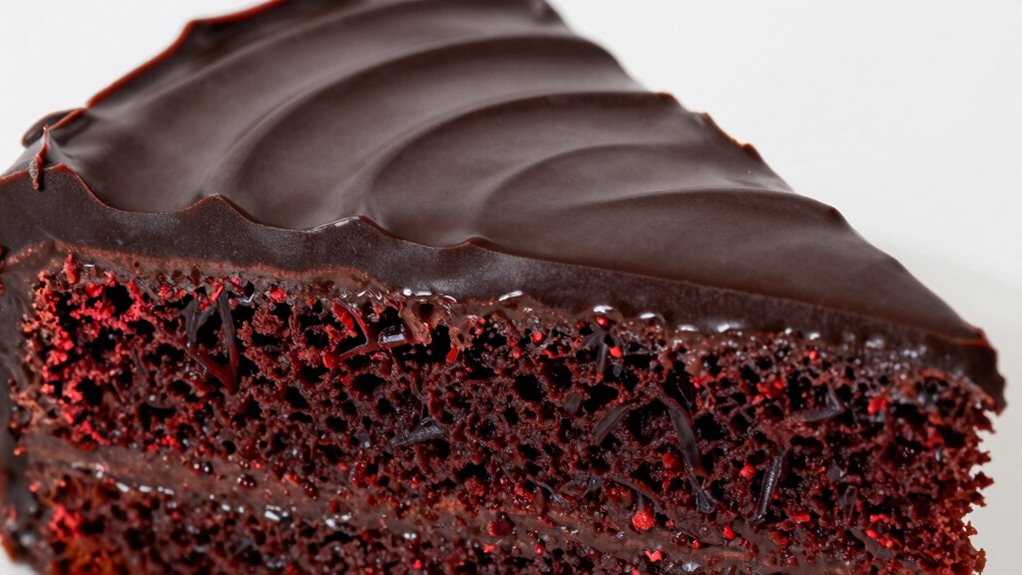
If your chocolate cake appears unexpectedly red, it’s likely due to a reaction between the cocoa powder and other ingredients rather than an actual color change in the chocolate itself. Sometimes, the culprit is the type of cocoa powder you’re using. Natural cocoa tends to produce a darker, richer brown, but if you opt for Dutch-processed cocoa, the color can be slightly lighter and sometimes more reddish or purplish. However, the more common reason for a reddish hue isn’t just the cocoa but how it interacts with other ingredients, especially if food coloring is involved. Many bakers add food coloring to enhance or alter the cake’s appearance, and if you used a red or pink food coloring in your batter, it might be surfacing unexpectedly, especially if the coloring is particularly vibrant or high in artificial dyes.
The quality of your ingredients plays a significant role here. Lower-quality cocoa powder or food coloring can contain additives or dyes that react unpredictably during baking, resulting in a reddish tint. If you notice a strong red or pink hue, it’s worth examining the ingredients list on your food coloring or cocoa. Cheaper food colorings often include artificial dyes that can intensify or alter the cake’s color in unexpected ways after baking. Similarly, subpar cocoa can contain fillers or additives that react with other ingredients, leading to color shifts. To avoid this, choose high-quality cocoa powder and food coloring made from natural or better-grade ingredients. These tend to be more stable and less likely to produce unwanted color changes.
You can also prevent or minimize this issue by being mindful of the quantities you add. Using too much food coloring is a common culprit, especially if it’s highly concentrated. Start with small amounts, then gradually add more if necessary, and always mix thoroughly to ensure even distribution. If you want a deep, chocolatey brown without the risk of red hues, consider using natural cocoa powder without added dyes. Additionally, avoid mixing in ingredients that might contain artificial dyes or colorants, such as certain flavorings or extracts, which can contribute to unexpected colors during baking.
Use minimal, well-mixed food coloring and opt for natural cocoa to keep your cake’s true color.
Being aware of the reaction between ingredients and how they interact during baking can help you troubleshoot and achieve the perfect chocolate color every time. In essence, the key is to prioritize ingredient quality and moderate your use of food coloring. This helps you maintain the true chocolate color you’re aiming for, preventing the cake from turning red or pink. When you choose high-quality ingredients and use them thoughtfully, you’ll produce a beautifully dark, chocolatey cake that looks as good as it tastes—without any surprise hues.

Organic Cacao Powder, Unsweetened, 1 lb (454 g) – Rich Dark Chocolate Flavor, Perfect for Baking, Smoothies & Hot Chocolate – Vegan, Keto, Paleo, Non-GMO & Gluten-Free Cocoa Powder
ORGANIC CACAO POWDER – Experience decadent, rich, dark chocolatey goodness with our pure, organic cacao powder. The aroma…
As an affiliate, we earn on qualifying purchases.
As an affiliate, we earn on qualifying purchases.
Frequently Asked Questions
Can Food Coloring Cause My Chocolate Cake to Turn Red?
Yes, food dye or coloring agents can cause your chocolate cake to turn red. If you add red or certain vibrant food dyes, they can mix with the cocoa’s natural color, resulting in a reddish hue. To prevent this, use only the recommended amount of coloring agents, or opt for natural alternatives like beet juice if you want a different color. Always check the ingredients to avoid unexpected color changes.
Does Baking Time Affect the Cake’s Color?
Baking time can affect your cake’s color, but it’s mainly influenced by baking temperature and ingredient freshness. If you bake at a higher temperature or leave it in too long, the cake might develop a darker or uneven hue. Using fresh ingredients guarantees vibrant color. Keep an eye on the baking temperature and don’t overbake to maintain that rich chocolate color you’re aiming for.
Could Using Different Cocoa Powder Brands Change the Color?
Yes, using different cocoa powder brands can change your cake’s color. Higher quality cocoa often has a richer, darker hue, while lower-quality options may produce a lighter or even reddish tint. Brand differences in cocoa quality affect the color intensity and overall appearance. To get the deep, authentic chocolate color you want, consider experimenting with reputable brands known for their cocoa quality, ensuring consistent, vibrant results every time.
How Does Altitude Impact Cake Color and Appearance?
Altitude effects can influence your cake’s coloration by causing it to rise faster, which can lead to uneven baking and less vibrant color. Higher altitudes often result in drier, paler cakes because of reduced air pressure and evaporation rates. To improve cake coloration at high altitudes, you might need to adapt your recipe—such as reducing leavening or increasing liquids—to ensure even baking and richer color.
Are There Specific Ingredients That Make the Cake Appear Red?
Certain ingredients, like beetroot or red food coloring, can make your chocolate cake appear red. Natural ingredient interactions, such as using beetroot puree or strawberry jam, may tint the batter, especially if you substitute ingredients in your recipe. To prevent this, avoid using red-tinted ingredients or opt for recipe ingredient substitutions that maintain the rich, chocolate color without unintended hues.
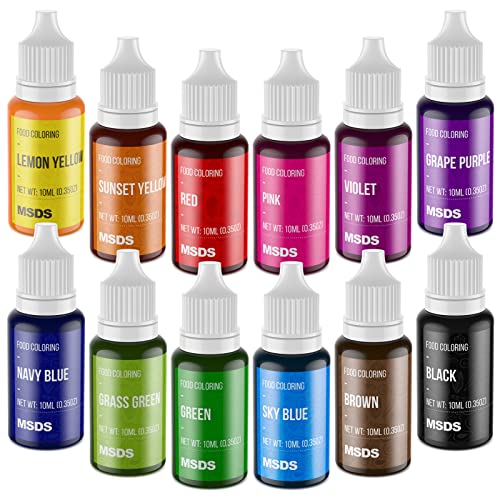
Food Coloring Set – 12 Color Food Grade Vibrant Food Dye Tasteless Liquid Color for Cake Decorating, Baking, Easter Egg, Icing, Fondant, Cooking, Slime Making DIY Supplies Kit – 0.35 Fl. oz (10 ml)/Bottles
VIVID COLORS FOR CAKE DECORATING – Comes with 12 virbant color highly concentrated edible food coloring in a…
As an affiliate, we earn on qualifying purchases.
As an affiliate, we earn on qualifying purchases.
Conclusion
So, next time your chocolate cake unexpectedly turns red, don’t panic. Instead, consider the subtle factors you might have overlooked—could it be the ingredients, baking process, or something else? The truth is, there’s more to discover beneath the surface. And once you uncover the real cause, you’ll never look at your cakes the same way again. Ready to reveal the secret and master perfect, true chocolate every time? The answer might surprise you.

GHIRARDELLI Premium Baking Cocoa 100% Cocoa Dutch Process Unsweetened Cocoa Powder – Gourmet Baking Cocoa for Brownies, Cakes, Cookies & Smoothies, 8 oz Bag
One (1) 8 oz bag of GHIRARDELLI Premium Baking Cocoa 100% Cocoa Dutch Process Unsweetened Cocoa Powder
As an affiliate, we earn on qualifying purchases.
As an affiliate, we earn on qualifying purchases.
Food Coloring Set – 12 Color Food Grade Vibrant Food Dye Tasteless Liquid Color for Cake Decorating, Baking, Easter Egg, Icing, Fondant, Cooking, Slime Making DIY Supplies Kit – 0.35 Fl. oz (10 ml)/Bottles
VIVID COLORS FOR CAKE DECORATING – Comes with 12 virbant color highly concentrated edible food coloring in a…
As an affiliate, we earn on qualifying purchases.
As an affiliate, we earn on qualifying purchases.