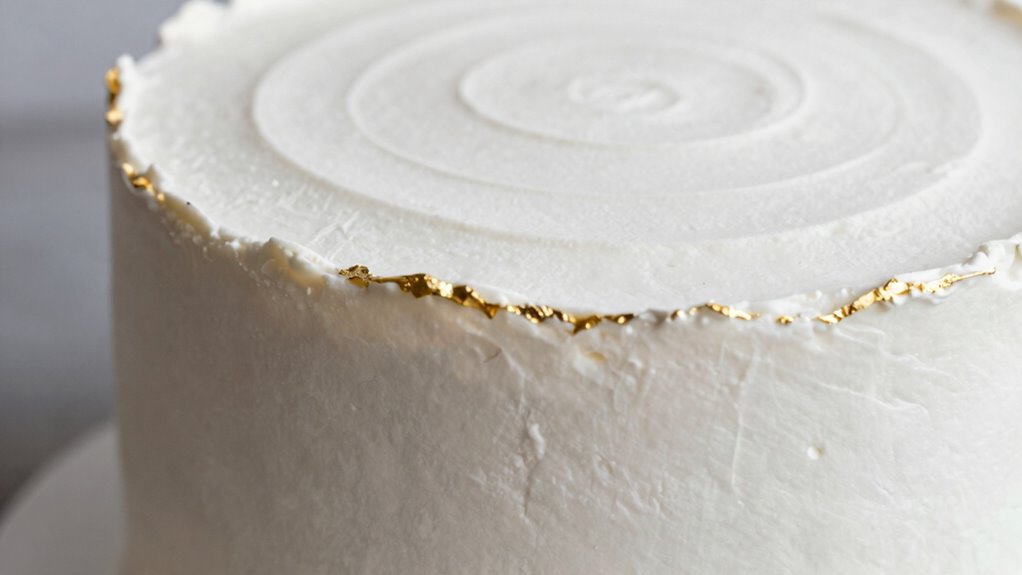

You can create a professional-looking cake finish by focusing on mastering simple techniques like clean piping, smooth fondant, and neat edges. Paying attention to small details, such as consistent piping pressure and surface textures, makes a big difference. Staying tidy and patient helps you achieve a polished look, even with minimal decorations. When you concentrate on precision and presentation, your cakes automatically appear more refined. Keep exploring these fundamental skills to elevate every cake you make.

Get baking supplies delivered free with Prime
- Fast, free delivery on millions of items
- Prime Video, Amazon Music and more included
- Member-only deals all year
Key Takeaways
- Flawless execution of basic techniques like smooth fondant and clean piping creates a polished look.
- Attention to neatness, precision, and clean lines enhances the overall professional appearance.
- Consistent piping pressure and simple designs with perfect details elevate the cake’s look.
- Using textures or subtle patterns adds visual interest without overcomplication.
- Practice and patience develop control and confidence, resulting in refined, elegant finishes.
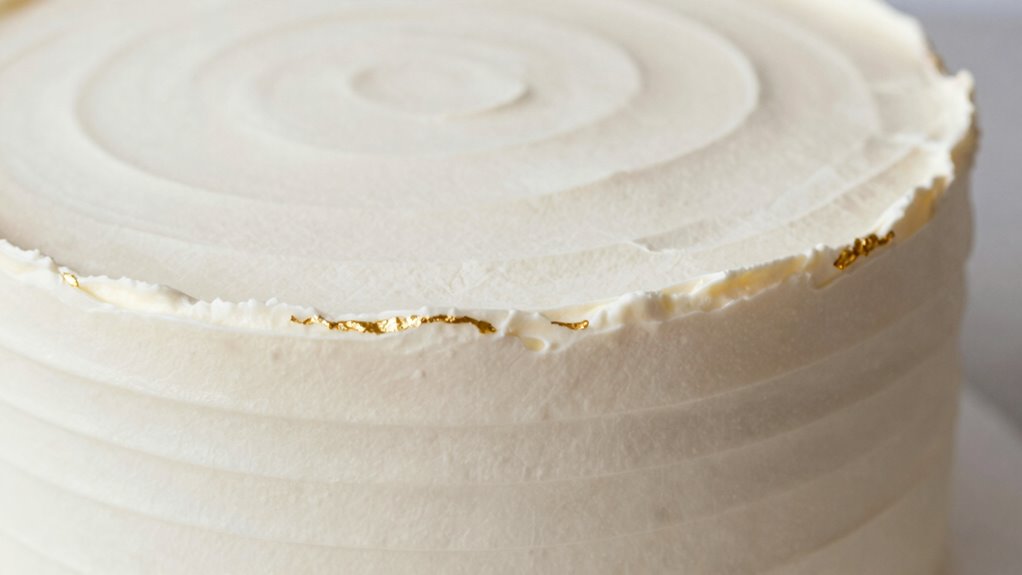
Achieving a professional-looking cake finish might seem challenging, but with the right techniques, it’s entirely possible to impress your guests. Often, simple cakes look stunning because of careful attention to details like fondant textures and piping techniques. You don’t need elaborate decorations or intricate designs to make your cake stand out; it’s all about how you execute the basics.
A professional cake finish comes from mastering simple techniques like smooth fondant and clean piping.
When working with fondant, textures can elevate a straightforward cake into a polished masterpiece. Instead of a flat, smooth surface, experiment with different fondant textures—ripple effects, marbling, or embossed patterns—to add visual interest without overcomplicating the design. Applying fondant smoothly can be tricky, but using a smoother and a little cornstarch or shortening helps achieve that flawless, professional finish. Even simple textures create depth and sophistication, drawing the eye without overwhelming the cake’s overall look. Developing an understanding of fondant textures can help you create more visually appealing designs. Practicing different techniques such as embossing or marbling can help you refine your skills and add unique touches to your cakes. Additionally, paying attention to lighting and presentation can further enhance the overall look of your finished cake.
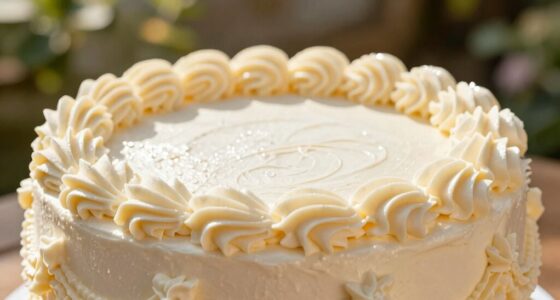
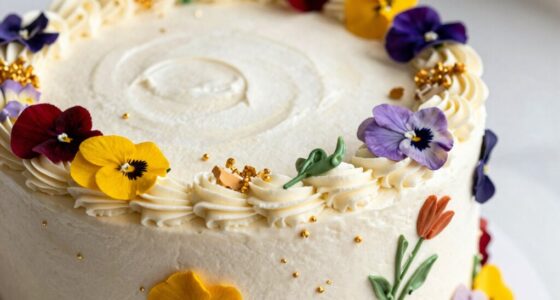
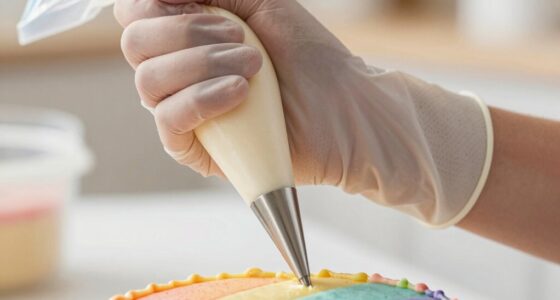
Piping techniques are equally powerful tools for elevating a simple cake. Basic piped borders, rosettes, or shells can frame the cake beautifully, giving it a refined appearance. The key is to practice steady, even pressure on your piping bag—this consistency makes a big difference in the final look. You don’t need elaborate piping designs to look impressive. Sometimes, a clean, uniform border or a few well-placed dots can make your cake appear more polished and professional. Using different piping tips can also add variety without complexity, from fine lines to textured ruffles. The consistency of the icing is crucial—if it’s too soft or too stiff, the piping will look uneven. Adjust your icing to the right firmness for crisp, clean lines. Additionally, practicing piping techniques regularly can help improve your control and confidence, leading to more precise results. Remember, patience and repetition are key to mastering these skills.
Achieving a professional finish isn’t about overloading your cake with decorations. Instead, focus on neatness, precision, and clean lines. Keep your workspace tidy, and take your time to perfect each element, whether it’s smoothing fondant or piping on decorative borders. Sometimes, less truly is more—simple designs with flawless execution look sophisticated and elegant. Paying close attention to the finishing touches can make a dramatic difference in the overall presentation of your cake.
Ultimately, the secret lies in mastering basic techniques like creating smooth fondant surfaces and executing clean piping. These skills don’t require fancy tools or complex designs but demand patience and practice. When you pay close attention to the details—like the texture of your fondant or the consistency of your piping—you’ll notice your cakes start to look more professional. Developing a good understanding of cake finishing techniques can make a significant difference in your results. With just a little effort, your simple cakes will wow everyone, proving that you don’t need intricate decorations to achieve a stunning, professional finish.
professional cake decorating piping tips
As an affiliate, we earn on qualifying purchases.
As an affiliate, we earn on qualifying purchases.
Frequently Asked Questions
Can Beginner Bakers Achieve These Professional-Looking Finishes Easily?
Yes, as a beginner, you can achieve professional-looking finishes by practicing fondant techniques and simple piping styles. Start with smooth fondant surfaces and learn basic piping methods like rosettes or borders. With patience and practice, you’ll improve, and your cakes will look polished and elegant. Focus on clean edges and even application, and over time, these simple techniques will make your cakes appear more refined and professional.
What Tools Are Essential for Creating Simple Professional Cake Finishes?
You’ll find that a fondant smoother and piping tips are essential tools for creating simple, professional cake finishes. As you gently smooth fondant, it’s almost like revealing a hidden canvas, and precise piping techniques add that polished touch. These tools help you achieve clean edges and elegant designs, even if you’re a beginner. With a little practice, you’ll see how these essentials transform your cake into a stunning masterpiece effortlessly.
How Long Does It Typically Take to Master These Finishes?
Mastering fondant techniques and piping skills typically takes a few months of dedicated practice, but it varies depending on your experience level. You’ll improve faster with consistent effort, focusing on smooth application and precise piping. Regular practice helps you develop a steady hand and attention to detail, making simple finishes look professional. Remember, patience and persistence are key—over time, your skills will become more refined and confident.
Are There Specific Types of Cakes Best Suited for These Finishes?
Did you know that 60% of professional bakers prefer simple fondant techniques for elegant cakes? You’ll find that most cakes with smooth, clean finishes are best suited for fondant or specific icing textures like buttercream or ganache. These finishes work well on tiered cakes, sheet cakes, and cupcakes, allowing you to focus on neatness and detail. Choosing the right cake type enhances the overall look, making your simple design appear truly professional.
Can These Finishes Be Used for Special Occasions and Celebrations?
Yes, these finishes are perfect for special occasions and celebrations. You can easily incorporate fondant techniques to create sleek, elegant looks, even with simple designs. Edible decorations add a personalized touch, making your cake stand out. Whether it’s a birthday, wedding, or anniversary, these finishes elevate your cake’s appearance effortlessly, giving it a professional vibe without complex techniques. Your guests will surely admire your artistry and attention to detail.
As an affiliate, we earn on qualifying purchases.
Conclusion
With a little patience and practice, you can produce polished, professional-looking cake finishes that impress without the fuss. Remember, simple techniques like smooth icing, subtle textures, and neat piping can transform a basic cake into a beautiful masterpiece. Embrace the elegance of ease, and let your skills shine through simplicity. By mastering modest methods, you’ll make your marvelous, memorable, and meticulously made cake finishes look effortlessly exceptional every time.
As an affiliate, we earn on qualifying purchases.
As an affiliate, we earn on qualifying purchases.
Columbus Day / Indigenous Peoples' Day Picks
long weekend sales
As an affiliate, we earn on qualifying purchases.