TL;DR

Get baking supplies delivered free with Prime
- Fast, free delivery on millions of items
- Prime Video, Amazon Music and more included
- Member-only deals all year
A Good Housekeeping report recommends eight seasonal foods for Mediterranean-style eating in fall: butternut squash, lentils, pears, kale, citrus, walnuts, olive oil and pomegranate. The suggestions focus on ways to use these ingredients in everyday meals; they are not evidence that any single food prevents or treats disease.
Good Housekeeping has published a seasonal guide naming eight foods to add to Mediterranean-style meals this fall: butternut squash, lentils, pears, kale, lemons and oranges, walnuts, olive oil and pomegranate. The suggestions pair familiar seasonal produce and pantry ingredients with practical uses, from lentil stews to pear salads, while describing potential nutritional benefits without showing that the foods prevent or treat disease.
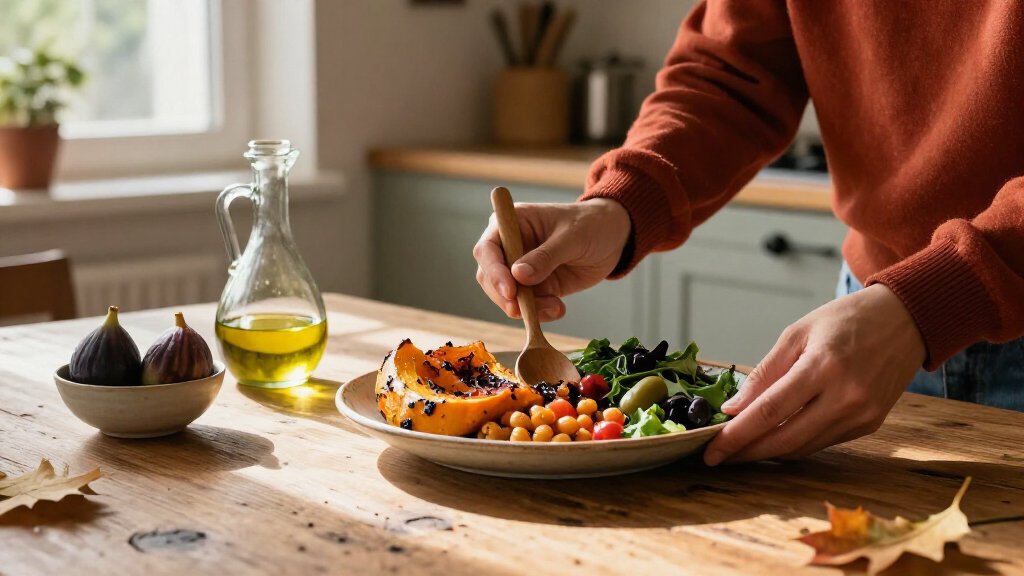
The list includes butternut squash and lentils for warming dishes. Squash can be roasted with olive oil and herbs, blended into soup or added to pasta and salads. The report describes it as a source of fiber and beta carotene. Lentils, meanwhile, can anchor soups, stews or salads and provide plant-based protein, fiber and iron. Good Housekeeping suggests pairing a warm lentil salad with roasted root vegetables and lemon-tahini dressing.
For fresh flavor, the report recommends pears, kale and citrus. Pears can be eaten as a snack or combined with walnuts and feta in a salad; kale can be massaged with olive oil and lemon juice, or cooked in soups and stews. Lemons and oranges add brightness to grain dishes, salads and lentil-based meals. The article also names walnuts, olive oil and pomegranate: walnuts can add crunch to oatmeal or salads, olive oil can be used in cooking or dressings, and pomegranate seeds can top vegetables, grain bowls or yogurt.
The food guide attributes nutrition points to its cited experts and research, but the provided material does not give study details or quantify effects. It says some data link pear consumption with heart-health support and describes possible health effects of compounds in citrus and olive oil. Those statements are not a guarantee of individual health outcomes. The practical takeaway is that these ingredients offer varied ways to build seasonal meals around produce, legumes, nuts and olive oil.
Seasonal Ingredients, Everyday Meals
The recommendations matter as a practical seasonal shopping guide, not as a new clinical finding. Fall produce and pantry staples can be combined across several meal types: squash with beans, kale with lentils, pears with walnuts, or citrus in salads and stews. That makes the list useful to readers looking for flexible meal ideas as the weather cools.
The report’s health language also calls for care. Nutrition benefits vary by person and overall eating pattern, and the material supplied does not establish that adding a single item will lower disease risk. Readers can use the suggestions to diversify meals, while treating disease-related claims as potential associations or research areas rather than medical advice.
Products Worth Considering

Ninja Foodi Smart 6-in-1 Indoor Grill and Air Fryer, 4 Qt, FG551

Ninja French Door Premier 10-in-1 Air Fry Oven, 20.3 Qt, Stainless Steel (FO101)

Cuisinart Chef's Classic 11-Piece Stainless Steel Cookware Set
As an affiliate, we earn on qualifying purchases.
How the Fall List Was Framed
The source is a Good Housekeeping seasonal food report organized around ingredients that are available or commonly used in fall and early winter. It links the choices to Mediterranean-style cooking, which the article illustrates through olive oil, legumes, nuts, vegetables and fruit. November is described as the start of citrus season, while pomegranate is presented as a late-fall and early-winter fruit.
The report includes recipe ideas and comments attributed to nutrition experts Stuart and Shaw. The supplied source text does not provide their full names, credentials, interview dates or the underlying research references. It also does not set out a formal meal plan or define serving sizes; the focus is on ways to incorporate the foods into familiar dishes.
“Fall is the perfect time to enjoy butternut squash, a fantastic addition to the Mediterranean diet.”
— Stuart, as quoted by Good Housekeeping
What the Nutrition Claims Establish
The source material does not identify the studies behind its health statements, their methods, or the size and certainty of any effects. Claims about possible links between pears and heart health, or compounds in citrus and olive oil and disease-related outcomes, should not be read as proof that eating these foods prevents or treats illness. The article also gives no individual dietary guidance, portion recommendations or information about how the foods may fit readers’ medical needs.
The report does not specify its publication date, and the supplied text does not include full names or credentials for the quoted experts. Those details cannot be independently established from the material provided.
The immediate next step for readers is straightforward: choose ingredients that suit their preferences and use them in meals they already make. A lentil and kale stew can take lemon at the end; roasted squash can be served with beans or grains; pear and walnut can add fruit and crunch to a salad. The source offers these as ideas rather than a prescribed plan.
No further announcement, study or follow-up action is specified in the report. Readers seeking advice for a health condition or a major diet change should consult a qualified health professional, rather than relying on broad food-guide claims alone.
Key Questions
Which foods does the fall guide recommend?
It names butternut squash, lentils, pears, kale, lemons and oranges, walnuts, olive oil and pomegranate.
How can I use these foods in fall meals?
The report suggests roasting squash, adding lentils to soups or salads, pairing pears with walnuts, cooking kale in stews, squeezing lemon over lentils, and using pomegranate seeds as a topping.
Does the report show that these foods prevent disease?
No. It describes some potential benefits and associations, but the supplied material does not establish that these foods prevent or treat disease.
Is the list a complete Mediterranean diet meal plan?
No. It is a seasonal ingredient guide with meal ideas. It does not provide a full plan, serving sizes or individualized nutrition advice.
Source: goodhousekeeping.com