
Cold dough develops a stronger gluten network that responds more effectively to heat. The slow fermentation at low temperatures allows enzymes to enrich the gluten structure, making it more elastic. This elasticity helps trap gases and creates better oven spring during baking. As the dough heats rapidly in the oven, this robust gluten expands quickly, giving you taller, more open crumb bread. Keep going to discover how cold fermentation truly enhances your baking results.

Get baking supplies delivered free — and shop member deals
- Fast, free delivery on millions of items
- Access to Prime Big Deal Days deals on October 6–7
- Prime Video, Amazon Music and more included
Key Takeaways
- Cold fermentation strengthens gluten, creating a more elastic dough that responds better to oven heat.
- Extended cold fermentation enhances flavor and dough structure, leading to improved oven spring.
- A firmer, well-developed gluten network traps gases more effectively during baking.
- Cold dough maintains shape and tension, allowing for a more vigorous rise in the oven.
- Rapid oven heat causes a burst of gas expansion, which is better supported by the strengthened gluten from cold fermentation.
If you want your bread to rise higher and develop a better oven spring, starting with cold dough can make a surprising difference. This technique takes advantage of how fermentation benefits and gluten development behave at lower temperatures. When you begin with cold dough, the fermentation process slows down initially, allowing the yeast to work more gradually. This slow fermentation enhances flavor, but more importantly, it improves the dough’s structure. As the yeast produces CO2 more steadily, the dough develops a stronger gluten network, which is essential for a good oven spring. A well-developed gluten structure traps gases more efficiently, giving your bread that impressive rise once it hits the oven’s heat.
Cold dough also gives you greater control over fermentation. When the dough is chilled, you can extend the fermentation period without risking over-proofing. This extra time allows enzymes to work on the flour’s proteins and starches, further strengthening the gluten and creating a more elastic dough. The result is a dough that’s easier to shape and more resilient under the oven’s heat, leading to a better oven spring. Plus, this slow fermentation fosters deeper flavor complexity, making your bread not just taller but tastier. Fermentation benefits can be maximized through cold fermentation, leading to improved bread quality. Additionally, this method can help reduce the formation of undesirable gas bubbles, creating a more uniform crumb and consistent oven spring. Cold fermentation also enables better control over the proofing process, helping prevent over-expansion and uneven rise during baking.
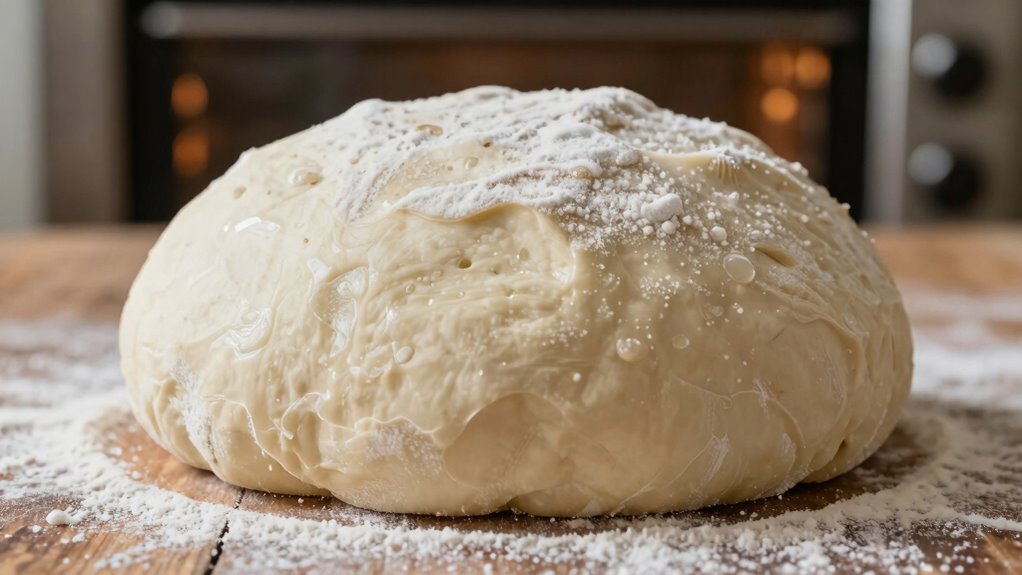
Another benefit of starting with cold dough is that it reduces the risk of over-expansion during shaping. When dough is warm, it can quickly become sticky and difficult to handle, which can lead to uneven fermentation and poor oven spring. Cold dough remains firmer and easier to work with, helping you maintain the proper shape and tension in the dough’s surface. This tension is essential for trapping gases during baking, so your loaf can expand upward rather than outward. The improved gluten development from cold fermentation ensures the dough can hold its shape and supports a more pronounced oven spring when baked. Moreover, cold fermentation encourages enzyme activity, which further strengthens the dough’s structure and enhances overall bread quality.
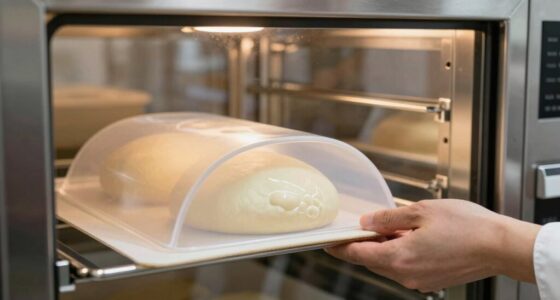
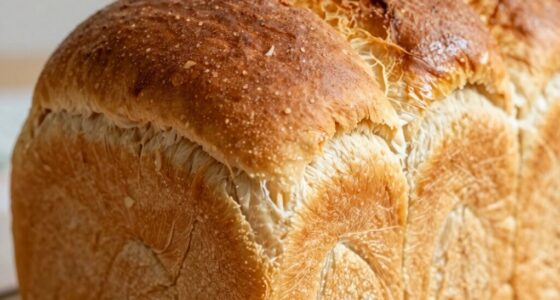
Additionally, cold fermentation allows for a more controlled proofing process. You can refrigerate the dough overnight, giving the yeast time to slowly develop gases and flavors. When you transfer the cold dough into a hot oven, the rapid increase in temperature causes a burst of gas expansion—this is the oven spring. Because the gluten network has been strengthened during cold fermentation, it responds more effectively to this heat shock, resulting in a taller, more open crumb structure. So, starting with cold dough isn’t just a matter of convenience; it’s a strategic step that enhances fermentation benefits, gluten development, and ultimately, the height and texture of your bread. Understanding fermentation techniques can further optimize your baking results.
cold fermentation bread proofing box
As an affiliate, we earn on qualifying purchases.
As an affiliate, we earn on qualifying purchases.
Frequently Asked Questions
How Does Cold Dough Affect Gluten Development During Baking?
Cold dough slows down enzyme activity, which helps preserve the gluten structure. As a result, gluten proteins stay intact longer, allowing you to develop a stronger and more elastic dough. When you bake, this improved gluten network traps gases better, leading to better oven spring. So, by working with cold dough, you enhance gluten development, which ultimately creates a lighter, airier crust with more rise during baking.
Can Cold Dough Improve Crust Texture and Color?
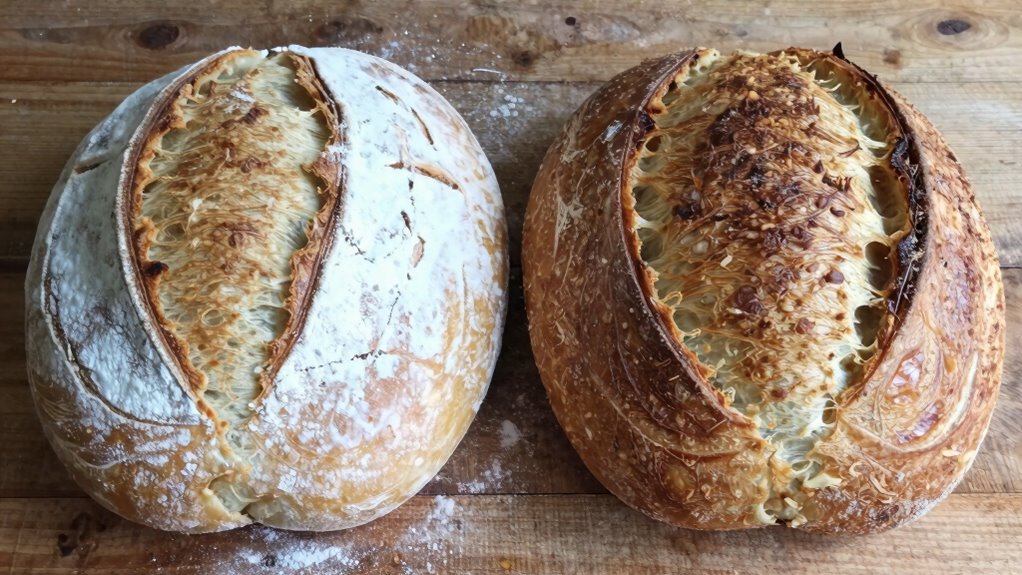
Think of cold dough as a painter’s palette, ready for a masterpiece. Yes, it can improve crust texture and color, acting as a symbol of patience and precision. Cold dough facilitates better crust enhancement and color improvement by slowing fermentation and promoting even caramelization. This results in a beautifully browned, crispy crust with rich flavor. Your careful handling of cold dough transforms an ordinary loaf into a culinary work of art.
What Is the Ideal Temperature for Cold Fermentation?
The ideal temperature for cold fermentation is typically between 38°F and 45°F (3°C to 7°C). At this range, fermentation slows down, giving you better control over yeast activity and allowing flavors to develop more deeply. This temperature range balances fermentation speed, preventing over-proofing, and results in a dough that’s easier to handle, with enhanced texture and flavor. Keep your dough consistently cold for best results.
Does Cold Dough Require Longer Proofing Times?
Yes, cold dough generally requires longer proofing times. When you control the temperature, it slows down fermentation speed, allowing flavors to develop more deeply. This extended fermentation helps improve dough elasticity and oven spring. By maintaining proper temperature control, you guarantee consistent proofing, giving your dough enough time to rise properly without over-proofing. So, patience with longer proofing enhances the overall quality and texture of your baked bread.
How Does Cold Dough Influence Flavor Complexity?
Cold dough transforms your bread into a flavor explosion, giving you an unparalleled aroma development and flavor enhancement. As you slow down fermentation, the dough’s complex sugars and proteins develop deeper, richer tastes, almost like a symphony of flavors unfolding. This extended process allows subtle nuances to shine through, creating a bread with layers of taste that linger long after the first bite. Your baking becomes an art of patience and flavor mastery.
gluten development dough scraper
As an affiliate, we earn on qualifying purchases.
As an affiliate, we earn on qualifying purchases.
Conclusion
So, next time you’re baking, consider chilling your dough first. Think about how that cold core will release a more confident rise when it hits the oven’s heat—like a secret waiting to burst out. Isn’t it amazing how a simple pause can transform your bread’s texture and height? Embrace the chill, and watch your oven spring reach new heights, turning your baking into a true masterpiece. Are you ready to give it a try?
As an affiliate, we earn on qualifying purchases.
As an affiliate, we earn on qualifying purchases.
Halloween Picks
halloween
As an affiliate, we earn on qualifying purchases.