TL;DR

Get baking supplies delivered free with Prime
- Fast, free delivery on millions of items
- Prime Video, Amazon Music and more included
- Member-only deals all year
A Good Housekeeping report outlines 10 kinds of household items professional organizers recommend removing from their original packaging, including appliances, paper goods, snacks and office supplies. The organizers say accessible, labeled or purpose-fit storage can make items easier to use and track; the advice is not a universal rule, and food and batteries need appropriate storage.
A Good Housekeeping report describes 10 types of household items that professional organizers recommend taking out of their original packaging and storing in more accessible places. The advice covers appliances, paper products, tools, snacks, pet treats, electronics accessories, coffee pods, baking ingredients, office supplies and batteries, with the aim of making items easier to find and use.
Wendy Trunz, partner and head organizer at Jane’s Addiction Organization, says keeping appliances and gadgets in their boxes can add friction to using them. She recommends keeping frequently used equipment, such as a milk frother, on a counter or accessible shelf. For tools, she suggests placing the equipment and its parts together in a labeled bin. Her broader point is that storage should reduce the steps between looking for an item and using it.
Trunz also recommends taking paper goods out of multipacks and distributing them to the places they are used: toilet paper in bathrooms, paper towels in the kitchen or laundry room, and tissues in bedrooms. For cords, chargers and battery packs, she advises labeling and grouping accessories in bins or bags. Olivia Parks, owner and lead organizer at Professional Organizer New Orleans, suggests using a drawer organizer for coffee pods and a sealed jar for dog treats. Shannon Littlehale, founder of Make Space NJ, recommends organizing office supplies in drawer inserts and keeping extra stock separately.
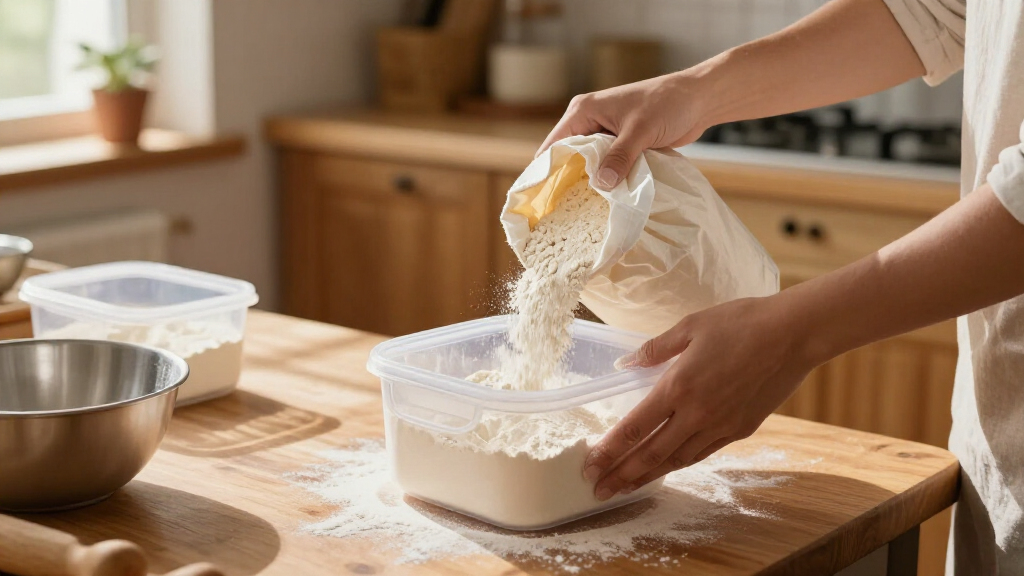
For snacks and baking ingredients, the report recommends visible or sealed storage. Trunz says categorizing snacks can make it easier to see what needs replenishing. Littlehale says clear, airtight containers for ingredients such as flour and sugar can show how much remains and help keep contents fresh. The report does not present these suggestions as a formal study or claim that every product should be decanted; suitability depends on the item, its label instructions and the storage conditions.
Making Household Supplies Easier to Use
The suggestions address a practical household problem: items that are difficult to access or hard to see can be overlooked, left unused or bought again because their supply is unclear. Moving frequently used objects to convenient locations and grouping small parts may cut down on searching and make routine tasks easier. The report’s value is as practical advice from working organizers, not evidence that removing packaging produces measured savings or improves household efficiency for everyone.
Storage choices still matter. Original packaging can carry product directions, ingredient and allergen information, expiration or lot details, and safety warnings. Any transfer to another container should preserve information that may be needed later. Food should be kept in clean, food-safe containers and stored according to the package directions; pet treats also need to remain protected and suitable for the animal. Batteries should be kept away from young children, as Littlehale’s suggestion to store them in a lidded bin placed high acknowledges.
clear plastic storage bins for kitchen supplies
As an affiliate, we earn on qualifying purchases.
As an affiliate, we earn on qualifying purchases.
The Organizers’ Storage Recommendations
The source is a lifestyle and home-organization report by freelance writer Casey Clark for Good Housekeeping. It gathers recommendations from three professionals: Trunz, Parks and Littlehale. The source material does not give a publication date, survey results, or an independent test comparing original packaging with organizers’ proposed storage systems, so the recommendations should be read as expert advice rather than verified performance findings.
The 10 categories span several rooms and storage needs. Some items are best kept close to where they are used, such as paper towels or a frequently used appliance. Other items benefit from grouping and labeling, including tools and electronic accessories. Clear containers are suggested for pantry ingredients, while drawer organizers are proposed for small office supplies and batteries. The common principle is to match the storage location to the item’s use, while retaining any information or protection provided by its packaging.
“The friction of having to take an appliance or gadget out of the original box can cause you not to use it as frequently.”
— Wendy Trunz, partner and head organizer at Jane’s Addiction Organization
drawer organizers for office supplies
As an affiliate, we earn on qualifying purchases.
As an affiliate, we earn on qualifying purchases.
Limits of the Packaging Advice
The report does not specify which brands or product types were considered, or whether the organizers’ recommendations apply to every household. It also provides no testing or data showing how much space is saved, how long items stay fresh, or whether people use them more often after unboxing. Those outcomes may depend on the product and the storage system.
Not all packaging should be discarded immediately. Some containers protect products from moisture, pests or damage, and labels may contain instructions or safety information. The report does not set out detailed food-storage rules, identify which items need refrigeration, or address how to retain ingredient and allergen details after transferring food. Readers should follow product directions and use suitable containers rather than treating decanting as a blanket instruction.
airtight containers for baking ingredients
As an affiliate, we earn on qualifying purchases.
As an affiliate, we earn on qualifying purchases.
Applying the Tips at Home
The source reports recommendations rather than announcing a formal program or future study, and it gives no next publication milestone. Readers can apply the ideas selectively: start with items that are frequently used or difficult to locate, then choose storage that fits the item and its point of use. Keep labels or other needed product information, use clean and suitable containers for food, and store batteries and pet products where children or animals cannot access them unsafely. Whether a particular setup helps is a household decision; the report offers no follow-up data to assess results.
labeled cord and charger storage bags
As an affiliate, we earn on qualifying purchases.
As an affiliate, we earn on qualifying purchases.
Key Questions
Which items do the organizers recommend removing from their packaging?
The report lists appliances and gadgets, paper goods, tools, snacks, dog treats, electronics accessories, coffee pods, baking ingredients, office supplies and batteries.
Do the organizers say every item should be unboxed?
No. The report gives recommendations for selected household categories, not a universal rule. Product instructions, protection needs and the information printed on packaging may make the original container useful.
What storage methods do they suggest?
Suggestions include accessible shelves, labeled bins, drawer organizers, clear containers and sealed jars. The proposed system depends on the item and where it is used.
What should readers keep in mind when transferring food?
Use clean, food-safe containers and follow the product’s storage directions. Retain ingredient, allergen and other label information that may be needed, and do not assume that every food can be stored in the same way.
What does the report establish about the benefits?
It establishes that three professional organizers offered these recommendations to Good Housekeeping. It does not provide a study or measured results showing how much space, time or money the storage changes save.
Source: rss
Fall Picks
fall essentials
As an affiliate, we earn on qualifying purchases.