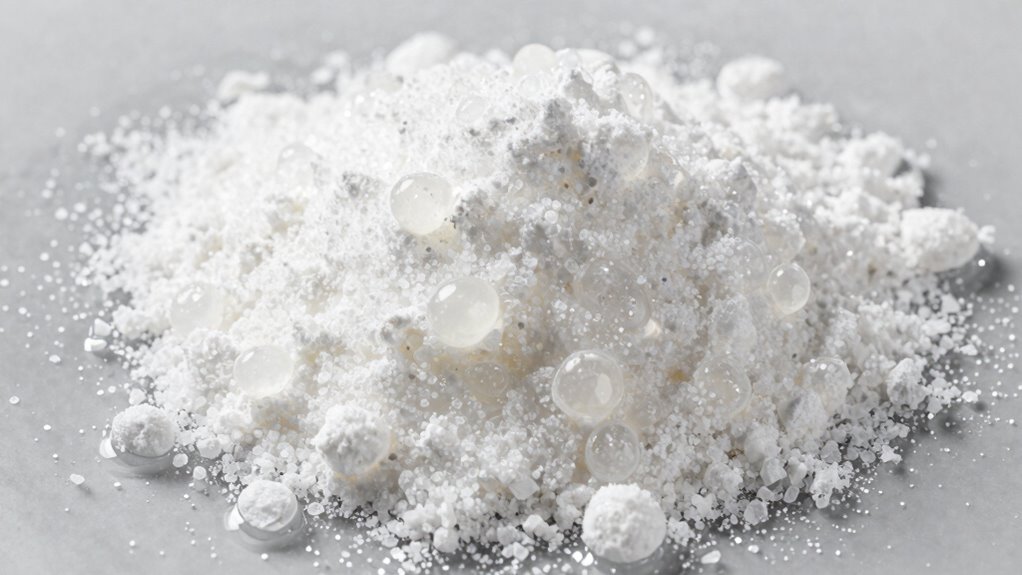

To bloom gelatin without clumps, sprinkle it evenly over cold liquid, like water or milk, and let it sit for a few minutes to absorb fully. Gently stir or swirl the mixture to help distribute the gelatin evenly. Do not let it boil during dissolution, as high heat can weaken its gelling ability. Mastering this process guarantees smooth, firm desserts. Keep going, and you’ll discover all the tips for perfect gelatin every time.

Get baking supplies delivered free with Prime
- Fast, free delivery on millions of items
- Prime Video, Amazon Music and more included
- Member-only deals all year
Key Takeaways
- Sprinkle gelatin evenly over cold liquid to allow proper blooming and prevent clumps.
- Allow gelatin to absorb liquid fully for a few minutes before heating.
- Gently heat the bloomed gelatin until fully dissolved without boiling.
- Use high-quality gelatin with no additives for smoother, clump-free results.
- Ensure complete dissolution for a silky, even texture in your final dessert.
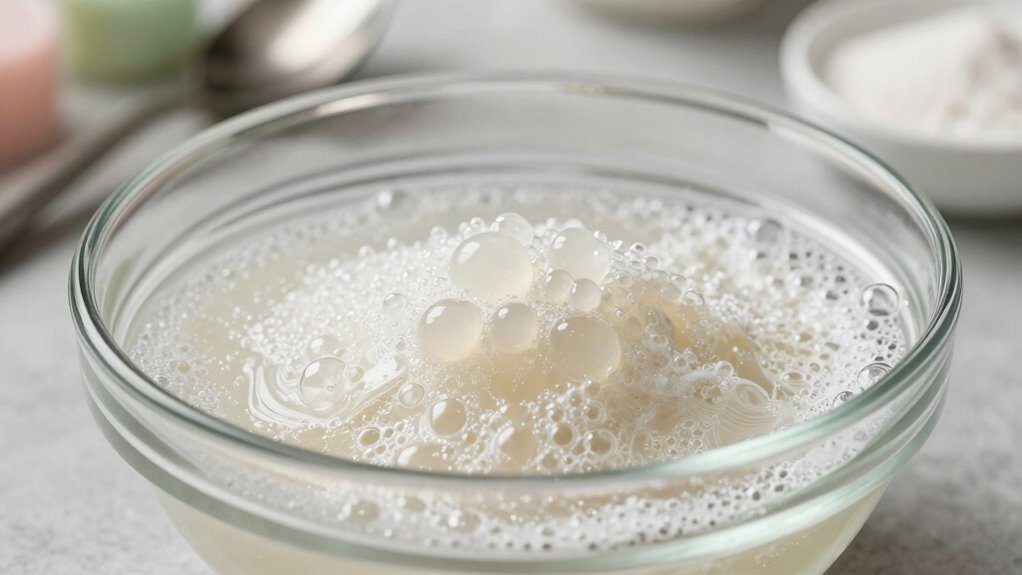
Have you ever wondered how bakers achieve those smooth, stable desserts that melt in your mouth? The secret often lies in properly using gelatin. Gelatin is a versatile ingredient that provides the perfect structure and texture, but it requires a bit of know-how to get it just right. One of the first things to understand is the significance of gelatin sources. Gelatin is derived from animal collagen, typically from pork or bovine bones and skin. You can find it in various forms—powdered, sheet, or granulated—and each has its specific handling techniques. Choosing the right source and form depends on your recipe and desired outcome, but the key is to guarantee you’re using high-quality gelatin free of additives that could interfere with setting.
A vital factor to master is bloom strength, which determines how quickly and firmly gelatin sets. Bloom strength is a measure of gelatin’s gelling power, usually expressed in grams per square centimeter. A higher bloom strength means the gelatin can set more firmly and at a lower quantity, making it ideal for desserts like mousses or gels that need to hold their shape. Conversely, a lower bloom strength is better suited for delicate, softer textures such as panna cotta or marshmallows. When working with gelatin, understanding its bloom strength allows you to adjust the amount you use for different recipes, guaranteeing consistent results.
To properly bloom gelatin, you need to hydrate it in cold liquid before heating. This process is vital because it prevents clumping and ensures an even dispersion throughout your mixture. When you sprinkle powdered gelatin over cold water or another liquid, give it a few minutes to absorb fully—this is blooming. Once bloomed, gently heat the mixture until the gelatin dissolves completely, but don’t let it boil, as high temperatures can break down its gelling ability. Proper blooming and dissolving are the keys to achieving that silky, smooth texture without lumps.
high quality powdered gelatin for desserts
As an affiliate, we earn on qualifying purchases.
As an affiliate, we earn on qualifying purchases.
Frequently Asked Questions
Can Gelatin Be Used as a Vegan Substitute?
Yes, you can use vegan gelatin alternatives, which are plant-based gelling agents, instead of traditional gelatin. These vegan options, like agar-agar, carrageenan, or pectin, work well in recipes and provide similar textures. When using plant-based gelling agents, you might need to adjust quantities or cooking methods, but they’re perfect for creating vegan desserts or dishes that require a firm set without animal products.
How Long Does Gelatin Take to Set?
Ah, the timeless question of patience—gelatin takes about 2 to 4 hours to set, depending on thickness and the environment’s temperature control. While you might be tempted to peek prematurely, resist! For perfect setting times, keep your mixture chilled and undisturbed. Remember, rushing the process could lead to a runny disaster, so give it time, and let nature do its magic without interference.
Is There a Way to Reuse Leftover Gelatin?
You can reuse leftover gelatin if you store it properly. First, transfer the unused gelatin to an airtight container and refrigerate it promptly. To reuse, gently warm the gelatin to melt it, then mix with fresh gelatin or other ingredients as needed. Keep in mind, leftover gelatin’s quality may decline over time, so always check for a strange smell or texture before using, and follow leftover gelatin tips for best results.
What Are Common Mistakes When Blooming Gelatin?
Imagine pouring water into a delicate glass and watching it crack—small mistakes can ruin your gelatin. Common errors include poor measurement accuracy and neglecting temperature control, which cause clumping or incomplete blooming. You might overhydrate or underhydrate, or use water that’s too hot or cold. To avoid this, measure precisely and keep the water at the right temperature, ensuring smooth, clump-free gelatin every time.
How Do I Avoid a Slimy Texture in Gelatin Desserts?
To avoid a slimy texture in your gelatin desserts, focus on proper blooming and ingredient ratios. Make sure you bloom the gelatin properly, allowing it to fully hydrate without clumping, which helps maintain the desired texture. Use the correct amount of gelatin relative to your liquid—too much can cause a slimy, rubbery feel. Stir gently and evenly, avoiding overmixing, to keep your dessert smooth and firm.
As an affiliate, we earn on qualifying purchases.
Conclusion
Now that you’ve mastered the art of blooming gelatin without clumps, you’re practically a culinary wizard! No more lumpy messes or ruined desserts—just smooth, silky perfection every time. With these tips, you’ll impress everyone with your flawless jellies, mousses, and gummies. Get ready to conquer the baking world, one perfectly bloomed sheet at a time. Your desserts will be so stunning, they’ll make the Eiffel Tower jealous!
vegan gelatin substitute agar-agar
As an affiliate, we earn on qualifying purchases.
As an affiliate, we earn on qualifying purchases.
As an affiliate, we earn on qualifying purchases.
Halloween Picks
halloween
As an affiliate, we earn on qualifying purchases.