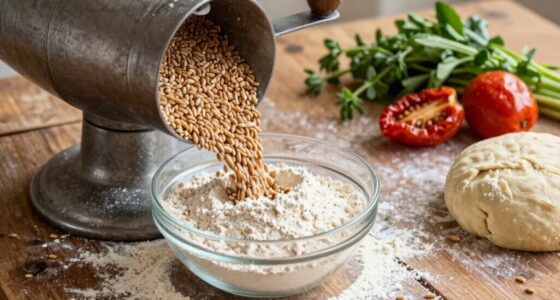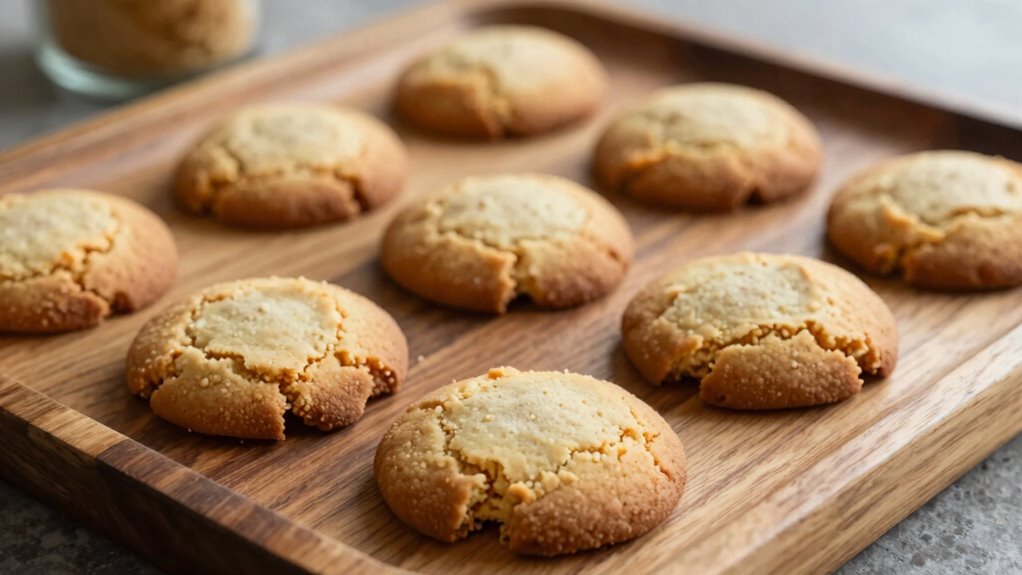

When baking small batch cookies, even minor ingredient tweaks can cause big differences in texture, spread, and baking time. Unlike full recipes, small batches are more sensitive to changes, so you often need to make larger adjustments to compensate. Substituting ingredients or changing quantities affects how the cookies come together. If you want to master these precise tweaks and avoid common pitfalls, you’ll discover helpful tips as you explore further.

Get baking supplies delivered free with Prime
- Fast, free delivery on millions of items
- Prime Video, Amazon Music and more included
- Member-only deals all year
Key Takeaways
- Small batch recipes are more sensitive to ingredient variations, requiring larger adjustments to achieve consistent results.
- Minor changes in ingredients can disproportionately affect texture, flavor, and baking time in small quantities.
- Variations in moisture levels and ingredient interactions have a greater impact on small batch outcomes.
- Precise technique modifications are often needed to compensate for ingredient substitutions in small batches.
- Storage techniques become more critical in small batches, influencing freshness and final texture with bigger adjustments.
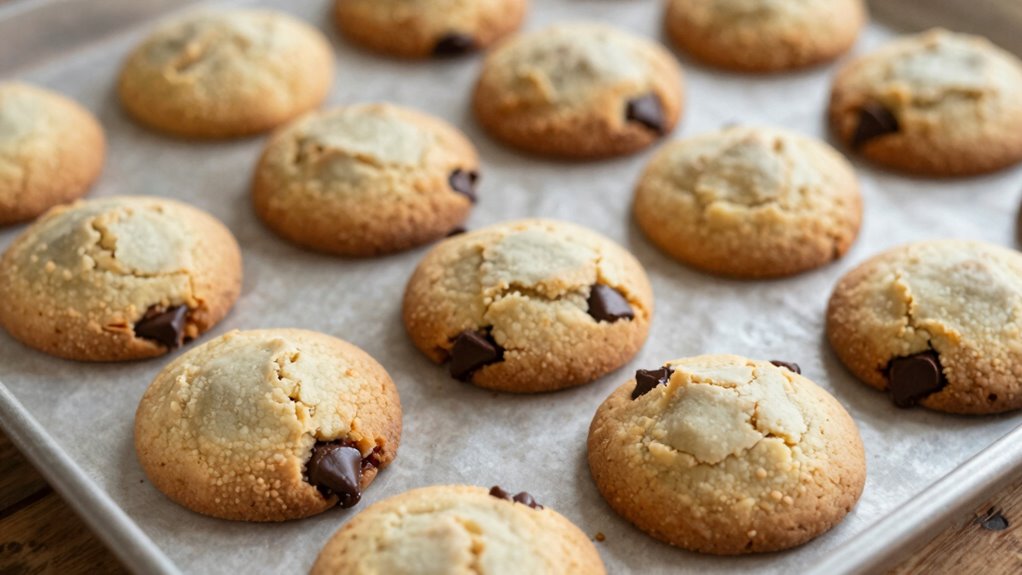
Making small batch cookies can be tricky because adjusting recipes isn’t always straightforward. When you’re working with a tiny amount of dough, even minor tweaks can profoundly impact the final result. Unlike full recipes, where small changes often go unnoticed, small batches demand more precise adjustments. You might want to substitute ingredients to cater to dietary needs or pantry limitations, but these ingredient substitutions can alter the cookie’s texture, flavor, and baking time. For example, swapping butter for margarine or applesauce might seem simple, but these changes can affect moisture levels and spread. When you make such adjustments, it’s vital to understand how each ingredient interacts within the recipe. Additionally, baking techniques play a crucial role in ensuring your small batch cookies turn out just right. Proper technique adjustments can help compensate for ingredient modifications and improve consistency.
Equally important are storage techniques, which become even more critical when handling small batches. Because you’re working with less dough, improper storage can cause cookies to go stale quickly or lose their freshness. You need to store your cookies in airtight containers, ideally at room temperature if you plan to eat them within a few days. If you want to keep them longer, freezing is a good option, but make sure to wrap each cookie individually or store them in a sealed container to prevent freezer burn. Proper storage techniques ensure your cookies stay delicious and retain their intended texture, especially since small batches are more prone to drying out or becoming tough if not stored correctly. It’s also helpful to consider ingredient interactions, which can influence how well your adjustments turn out. Understanding how different ingredients influence each other is key to successful small-batch baking.
The challenge of small batch baking lies in balancing ingredient substitutions with appropriate storage techniques. For instance, if you replace sugar with a healthier alternative, you might notice the cookies aren’t as soft or chewy, so you may need to adjust baking times or temperature. Similarly, if you alter the flour type or add extra oats, your cookies could spread less or become denser. These small changes require careful consideration and sometimes a bit of trial and error to perfect.
As an affiliate, we earn on qualifying purchases.
Frequently Asked Questions
How Do Ingredient Ratios Change in Small Batch Cookies?
In small batch cookies, ingredient ratios shift because ingredient concentration can become more pronounced, affecting texture and flavor. You might need to adjust the amount of flour, sugar, or fat to maintain proper flavor balance. Since small batches are sensitive, even slight changes matter. By carefully tweaking these ratios, you guarantee the cookies turn out just right, with consistent texture and flavor, without overpowering or dulling any single ingredient.
What Are Common Pitfalls When Scaling Down Recipes?
When scaling down recipes, you might make ingredient substitutions that don’t translate well, affecting texture and flavor. A common pitfall is neglecting flavor enhancements, which can become too concentrated or muted. You may also overlook the need for precise adjustments in baking time or oven temperature, leading to undercooked or overbaked cookies. Always test and tweak to guarantee the final batch maintains the intended taste and consistency.
Can Small Batch Cookies Be Frozen Effectively?
Yes, you can freeze small batch cookies effectively, sealing in their fresh promise like a treasure chest. To preserve flavor and maintain texture consistency, wrap each cookie tightly in plastic or store them in an airtight container. When you’re ready to indulge, let them thaw at room temperature, and you’ll rediscover that just-baked magic. Freezing keeps your cookies delicious and ready for whenever your sweet tooth strikes.
How Does Baking Time Differ for Small Batches?
When baking small batches, your baking time usually stays similar, but you might need to adjust oven temperature slightly. Keep an eye on your cookies and check them a minute or two earlier. Use a preheated oven at the recommended temperature, and place your cookies on a baking sheet lined with parchment paper. This guarantees even baking, preventing over-browning or undercooking, especially when baking multiple small batches.
Are There Specific Tools Recommended for Small Batch Baking?
You should use precise tools like mini measuring cups, small silicone spatulas, and a compact mixing bowl for small batch baking. These tools help with accurate ingredient substitution and guarantee consistent results. A small oven thermometer can also enhance flavor by maintaining proper temperature. Using dedicated, high-quality utensils makes it easier to adjust ingredients, control flavors, and avoid over- or under-mixing, leading to better-tasting, perfectly textured cookies every time.
airtight cookie storage container
As an affiliate, we earn on qualifying purchases.
As an affiliate, we earn on qualifying purchases.
Conclusion
Adjusting small batch cookie recipes can be tricky, but think of it like tuning a delicate instrument—you need just the right touch. When you modify ingredients or baking times, you’re ensuring the final product isn’t a miniature version of a big batch but a perfectly crafted treat. With a little patience and attention, your small batch cookies will turn out just as delightful, like a tiny, exquisite jewel among ordinary stones. Keep experimenting, and enjoy the sweet results!
small batch baking measuring cups
As an affiliate, we earn on qualifying purchases.
As an affiliate, we earn on qualifying purchases.
As an affiliate, we earn on qualifying purchases.
Halloween Picks
halloween
As an affiliate, we earn on qualifying purchases.