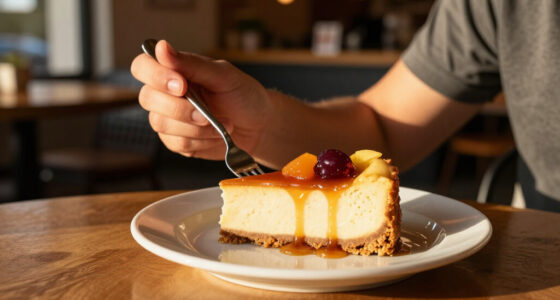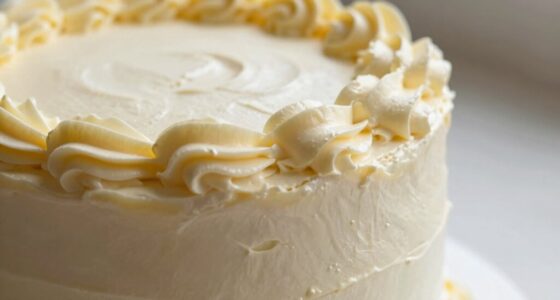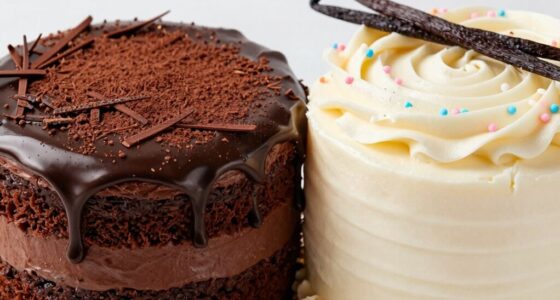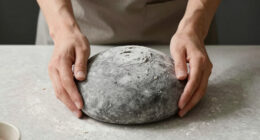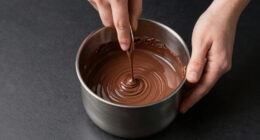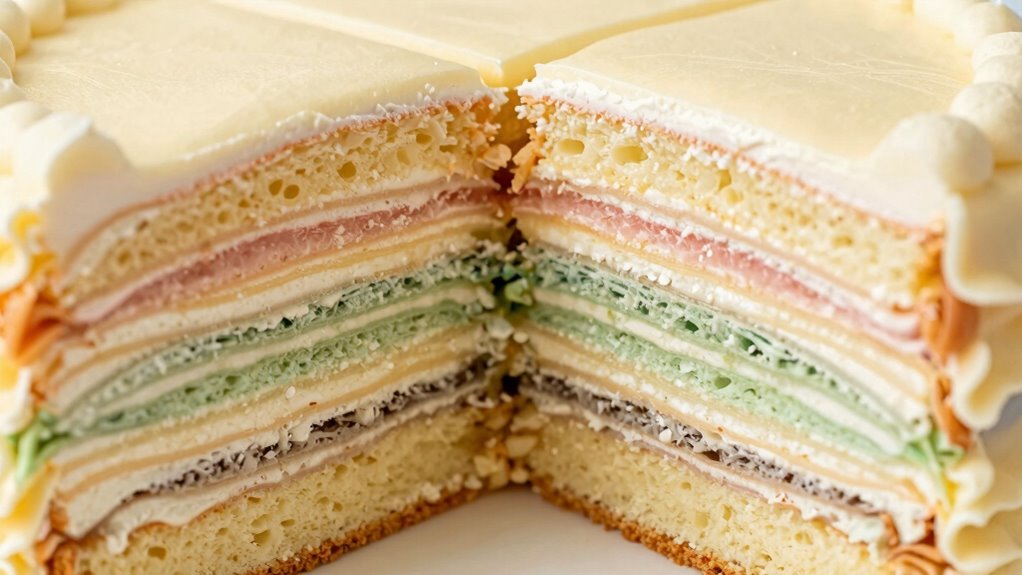

To assess your cake before slicing, look at its exterior for a golden-brown, even surface, and check for cracks or uneven rises, which can indicate underbaking or heat issues. Gently press the top to see if it springs back, and observe the crumb through a clear slice or cross-section if possible; a fine, moist texture shows good internal structure. If you want to perfect your cake’s look and stability, keep exploring these helpful cues.

Get baking supplies delivered free — and shop member deals
- Fast, free delivery on millions of items
- Access to Prime Big Deal Days deals on October 6–7
- Prime Video, Amazon Music and more included
Key Takeaways
- Check the external crust for even coloration and firmness, indicating proper baking and structure.
- Observe the cake’s height and surface for cracks or sunken areas, signaling potential baking issues.
- Gently press the top surface; a spring-back indicates doneness and good structure.
- Look for a uniform crumb pattern and even internal density through the sides or top.
- Assess internal cracks or large holes, which may suggest overmixing or uneven heat distribution.
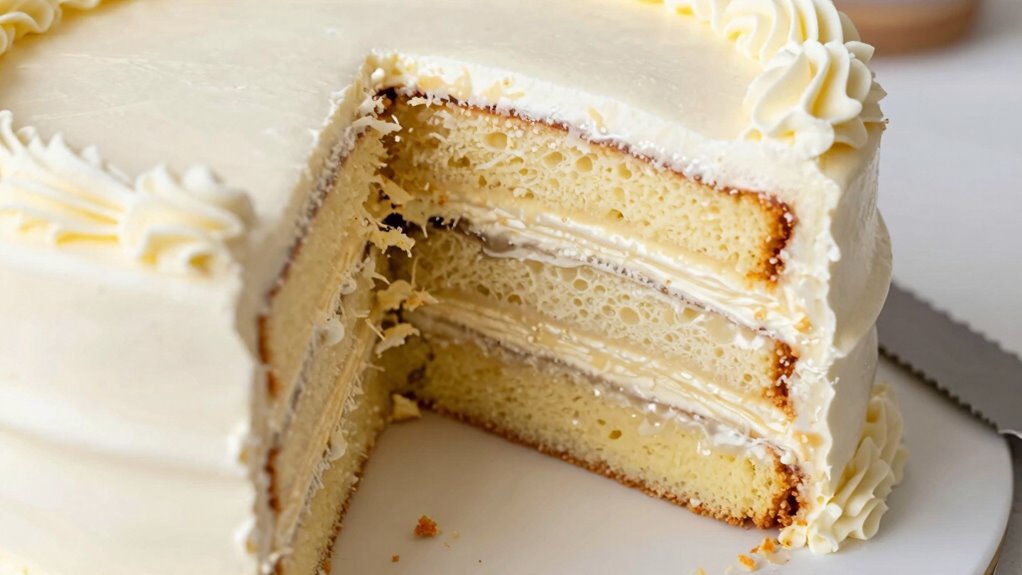
Have you ever wondered how to tell if a cake is perfectly baked just by looking at its structure? It’s a skill that comes with experience, but a few key indicators can guide you. When you lift the cake, pay attention to its crust. A well-baked cake often has a golden-brown exterior that hints at even heat distribution. If the top is cracked or sunken, it may indicate underbaking or uneven oven heat, which can affect the cake’s internal structure and flavor. The cake’s height also matters—an evenly risen cake suggests proper leavening and a balanced batter. If it’s flat or dense, the problem might be in the mixing or ingredient ratios, which can impact the cake flavor and texture.
Looking inside, the crumb is your best guide. A perfect cake has a fine, even crumb that looks moist and tender. When you gently press the surface, it should spring back without leaving a fingerprint. If the crumb appears coarse or has large holes, it might have been overmixed or baked at too high a temperature, leading to a less desirable texture. The internal structure also reveals how well the cake baked through. No wet spots or doughy areas should be visible—these indicate underbaking, which can compromise both flavor and safety. When slicing, if you notice the cake crumbles easily or falls apart, it’s likely overbaked or too dry, affecting both the flavor and the frosting techniques you might want to use for decoration. Additionally, observing the internal density can help you determine if the cake has baked evenly. A well-structured cake will have a consistent crumb pattern throughout, indicating proper leavening and heat distribution. Interestingly, the way the cake feels when gently pressed can also provide clues about its moisture content, which directly impacts texture and flavor. Proper baking temperature is crucial for achieving a balanced structure, as it influences how the heat interacts with the batter. A stable cake with a firm crust is often easier to frost and decorate, as the surface provides a solid foundation. Speaking of frosting, its application can also tell you something about the cake’s structure. A sturdy cake with a smooth, even surface is easier to frost and decorate. If the cake is uneven or has large air pockets, your frosting might not adhere well, and your decorative work could look uneven. The cake’s internal density influences how well the frosting sticks; a uniform crumb ensures a clean, professional appearance. When assessing the cake before slicing, consider how the structure will support the frosting, especially if you plan to add layers or intricate piping. A well-structured cake will give you a stable, beautiful base, and the internal crumb’s integrity will help prevent your frosting from sliding or cracking. Understanding the baking process and how different factors influence the structure can help you improve your baking results over time.
A fine, even crumb that springs back indicates perfect baking; coarse or large holes suggest overmixing or high oven temperature.
In the end, reading a cake’s structure isn’t just about appearance—it’s about understanding how each element, from the crust to the crumb, affects the flavor and overall presentation. The more you observe, the more you’ll learn how to bake cakes that look as good as they taste.
As an affiliate, we earn on qualifying purchases.
Frequently Asked Questions
Can Cake Structure Indicate Flavor Distribution?
Yes, cake structure can indicate flavor distribution. When you observe flavor consistency, it often reflects even ingredient distribution throughout the cake. A well-structured cake with uniform layers suggests balanced flavor, while uneven layers may hint at inconsistent ingredient mixing. By examining the cake’s internal layers, you can gauge how well the flavors are dispersed, ensuring each bite delivers a harmonious taste experience.
How Does Baking Time Affect Cake Structure?
Did you know that overbaking a cake by just five minutes can turn its texture from tender to dry? Baking time crucially impacts cake consistency by affecting its structure. If you bake too long, the cake becomes dense and crumbly; too short, and it’s undercooked. Maintaining proper baking temperature ensures even heat distribution, helping your cake develop a perfect, moist structure. Always set a timer and monitor closely for ideal results.
Is a Dense Cake Always Underbaked?
A dense cake isn’t always underbaked; it can result from overmixing or using too much flour, affecting the cake decoration and frosting consistency. You might find a dense texture even if it’s fully baked. To guarantee proper structure, check for even crumb and a clean toothpick test. A well-baked cake provides a stable base for frosting, making cake decoration easier and achieving the desired frosting consistency.
Can Cake Layers Have Different Textures?
Certainly, cake layers can have different textures, adding delightful diversity to your dessert. You might have a tender, melt-in-your-mouth center paired with a firmer, crumbly edge, perfect for engaging cake decoration and icing techniques. By understanding these texture differences, you can better plan your decorating approach, ensuring each layer complements the other. Embrace the variety, and your cake will be not only beautiful but also a flavorful feast for the senses.
Does Cake Shape Influence Its Internal Structure?
Yes, cake shape influences its internal consistency. When you choose a taller or more complex shape, like a multi-tiered or sculpted cake, it often requires different baking techniques and support structures, which can affect the internal layers. Round cakes typically have even, consistent internal textures, while shaped or layered cakes might have varying density or crumb structure. So, your cake shape directly impacts how its inside holds together and looks.
As an affiliate, we earn on qualifying purchases.
Conclusion
Now, as you stand before your cake, remember that reading its structure is like revealing a secret map—each layer revealing a story waiting to be told. With a keen eye, you become the explorer, discovering hidden treasures within. Slice with purpose, like a master craftsman carving history. Your careful observation turns a simple dessert into a masterpiece, ensuring every piece is as delightful as the journey you took to understand it.
As an affiliate, we earn on qualifying purchases.
As an affiliate, we earn on qualifying purchases.
Fall Picks
fall essentials
As an affiliate, we earn on qualifying purchases.