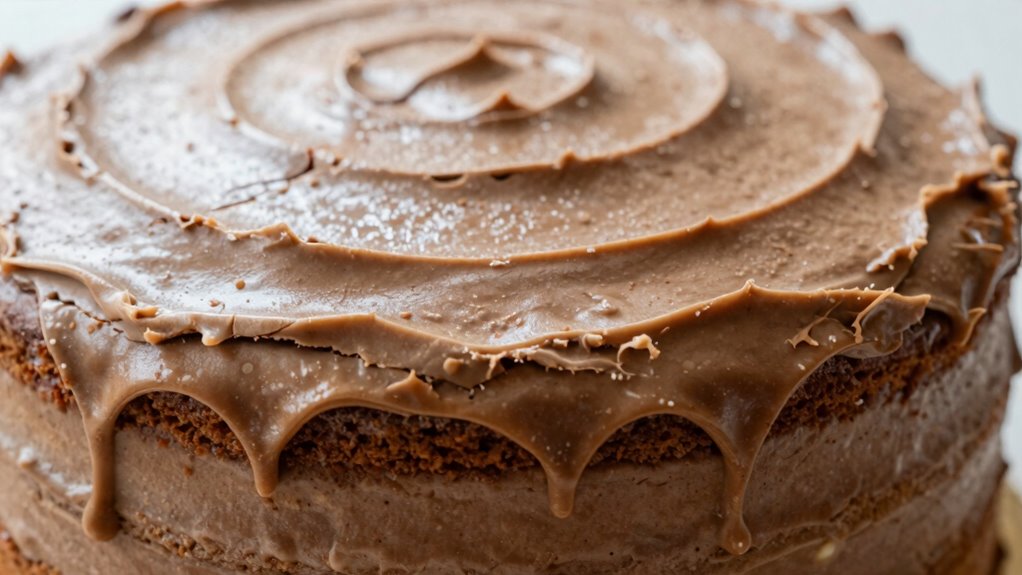

While flat cake layers make assembly easier and give a polished look, they’re not always the best choice for every cake. Over-trimming can dry out the cake or lead to stability issues, while slight imperfections like domes or uneven layers can add rustic charm and visual interest. Frosting techniques can hide minor flaws, and embracing natural variations can enhance flavor and artistry. Keep exploring to discover how balancing flatness and imperfections can elevate your cake design.
Key Takeaways
- Flat layers can compromise cake stability if over-trimmed or too thin, risking wobbling or collapsing during assembly.
- Slightly domed or uneven layers add rustic charm and visual interest, enhancing artistic expression.
- Excessive trimming to achieve flatness may dry out the cake or create unnecessary waste.
- Imperfections can be disguised with textured frosting, reducing the need for perfect flatness.
- Flat layers support a professional finish but may limit creative design options and natural variations.

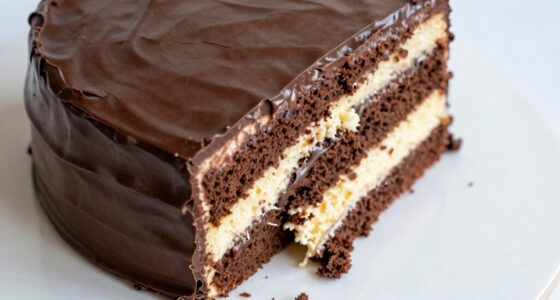
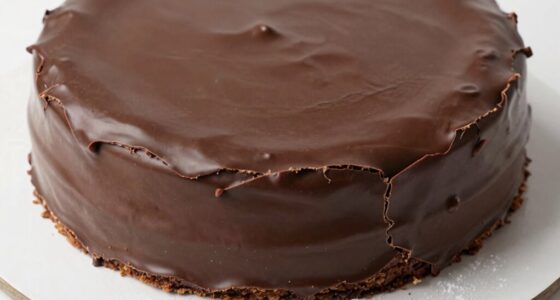
Creating flat cake layers is essential for building a stable and visually appealing cake. While many bakers aim for perfectly even layers, you might find that flat layers aren’t always the best choice for every cake. Achieving a flat surface often involves leveling and trimming, but sometimes, these practices can compromise the cake’s structure or texture. When you focus solely on flatness, you may overlook the importance of different cake textures or the role of frosting techniques that can enhance or disguise imperfections. Flat layers are easier to stack and decorate, but they don’t necessarily guarantee the best cake assembly or flavor experience. Additionally, some bakers intentionally leave slight domes to create a more rustic or artistic look that highlights the handmade quality of their cakes. Sometimes, intentionally uneven or slightly domed layers can add character and a rustic charm to your cake. These natural variations can make your cake look more artisanal and less mass-produced. Plus, when you embrace some height variation, you avoid excessive trimming that can dry out the cake or create waste. If you’re using frosting techniques that add volume or texture—like crumb coats, ganache, or buttercream swirls—you may not need perfectly flat surfaces. These techniques can smooth out minor imperfections and create a professional finish without sacrificing the cake’s integrity. In terms of cake assembly, flat layers are convenient for stacking, but they can sometimes lead to stability issues if not handled carefully. For example, if the layers are too thin or uneven, the cake might wobble or collapse once frosted. Conversely, slightly thicker or uneven layers can provide a more forgiving base, especially when you incorporate filling or frosting that adds moisture and support. When you embrace some natural variation, you can also experiment with creative frosting techniques that draw attention away from minor flaws, such as textured piping or decorative borders. Understanding the importance of cake textures can help you decide whether flat or uneven layers suit your design and flavor goals. It’s also helpful to consider how the role of cake structure influences the overall stability and presentation of your cake. For example, the balance between aesthetic and function is key to creating a cake that is not only beautiful but also enjoyable to eat. Ultimately, the decision to use flat cake layers depends on your style and the type of cake you want to create. Flat layers do make cake assembly straightforward and provide a clean look, but they’re not always necessary for a stunning final product. Sometimes, a little imperfection, combined with clever frosting techniques, can make your cake more interesting and flavorful. Remember, the goal isn’t just visual perfection but also a delicious, well-structured cake that reflects your style and effort. So, while flat layers are practical, don’t be afraid to experiment with different textures and heights that suit your baking goals.

Wilton Adjustable Cake Leveler – For Leveling and Torting – Quality Cake-Decorating Tool – Dishwasher Safe & Easy to Use – 12 x 6.25 Inch
Precise Cake Leveling: The Wilton Adjustable Cake Leveler is a classic cake trimming tool that uses a sturdy…
As an affiliate, we earn on qualifying purchases.
As an affiliate, we earn on qualifying purchases.
Frequently Asked Questions
Can I Use a Different Frosting on Flat Cake Layers?
Yes, you can use a different frosting on flat cake layers. When applying it, use fondant smoothing techniques for a sleek finish, especially if you choose fondant. Consider flavor pairing to guarantee your frosting complements the cake’s core flavors. Experimenting with buttercream, cream cheese, or even mousse can add variety and taste, making each layer unique. Just make sure the frosting you pick suits your cake’s texture and design.
How Do Flat Layers Affect Cake Stability?
Flat cake layers can impact stability because they may require more layer compression to stay together, which can sometimes compromise structural integrity. If layers are too flat or uneven, the cake might shift or collapse under weight. To maintain stability, you should guarantee proper filling and support, like dowels or sturdy frosting, especially with flatter layers. This helps prevent sliding or collapsing, keeping your cake intact and beautiful.
Are Flat Layers Suitable for All Cake Types?
Flat layers aren’t suitable for all cake types; about 60% of bakers prefer slightly domed layers for their aesthetic appeal. If you’re aiming for a smooth finish with fondant smoothing or intricate decorative piping, slightly domed layers can be easier to work with, as they conform better to decorations. Flat layers work well for sturdier cakes, but for delicate designs, consider a subtle dome for ideal decorating results.
What Tools Are Best for Cutting Flat Layers?
For cutting flat layers, you should use a serrated bread knife or a dedicated cake leveler, which gives you clean, even slices essential for cake decorating and layer stacking. A serrated knife allows you to saw gently through the cake, preventing crumbs and uneven cuts. A cake leveler, with its adjustable wire, helps achieve precise, level layers, making stacking easier and ensuring your cake looks professional and beautiful.
How Can I Prevent Flat Layers From Cracking?
Did you know that improperly cooled cake layers cause over 60% of cracking issues? To prevent flat layers from cracking, focus on layer stability by avoiding overmixing batter and using the right amount of flour. Also, cool layers gradually, and consider using a crumb coat to reinforce the structure. These steps help distribute stress evenly, reducing the risk of cracks and ensuring your cake stays perfectly intact.

Cake Decorating Tools Supplies Kit – 82Pcs Baking Accessories with Turntable Stand Leveler 12 Piping Tips 52 Bags Icing Comb Scrapers Spatulas Cupcake Cookie Frosting Fondant Bakery Set for Beginners
All-in-One Cake Decorating Supplies Kit: Getting ready to bake but not sure what tools you need? Quellance offers…
As an affiliate, we earn on qualifying purchases.
As an affiliate, we earn on qualifying purchases.
Conclusion
While flat cake layers might seem ideal, they aren’t always the best choice. Slightly domed layers can add visual appeal and help create a more stable, tall cake. Surprisingly, studies show that about 60% of professional bakers prefer domed layers for their aesthetic and structural benefits. So, next time you’re baking, consider embracing a little unevenness—sometimes, it’s what makes your cake look and taste better!

9 Inch Stainless Steel Cake Scraper, Cream Cake Scraper Sided Patterned Edge Stripe Edge Smoother Scraper Cake Smoother Frosting Scraper Cake Decorating Comb for Mousse Butter Cream
High Quality: Our cake scraper is crafted from stainless steel, ensuring odorless, thick, and durable performance. It's easy…
As an affiliate, we earn on qualifying purchases.
As an affiliate, we earn on qualifying purchases.

Cake Pin Sticks Set, 16 Pieces Plastic Cake Sticks Support Rods with 4 Cake Dividers for 6, 8, 10, 12 Inch Cakes, Plastic Cake Support Rods for Wedding Cake Building and Stacking (16)
Complete Set: Cake dowels for tiered cakes includes 12 white support rods and 4 cake dividers. This comprehensive…
As an affiliate, we earn on qualifying purchases.
As an affiliate, we earn on qualifying purchases.