

If your KitchenAid Artisan Series 5 Quart Tilt Head Stand Mixer isn’t tilting back as it should, it can hinder your baking and mixing process. Fortunately, most issues are fixable with some straightforward troubleshooting. This guide walks you through common causes, safe fixes, and maintenance tips to get your mixer functioning smoothly again.

Get baking supplies delivered free with Prime
- Fast, free delivery on millions of items
- Prime Video, Amazon Music and more included
- Member-only deals all year
Before attempting any repairs, ensure the mixer is unplugged to avoid injury. With a clear understanding of the potential causes, you’ll be able to diagnose and fix the problem efficiently, whether it’s a mechanical jam, misalignment, or a simple obstruction.
Key Takeaways
| Common Causes | Mechanical jam, misaligned parts, or obstructions can prevent tilting. |
| Safety First | Always unplug the mixer before inspecting or fixing. |
| Regular Maintenance | Cleaning and lubrication help prevent tilt-back issues. |
| Step-by-Step Fixes | Follow clear instructions to troubleshoot effectively. |
| When to Seek Help | If unsure, contact professional repair services. |
Check for Obstructions and Debris
- Ensure the mixer is unplugged and placed on a stable surface.
- Inspect the tilt mechanism for any visible debris, food particles, or objects that may be blocking the movement.
- Remove any obstructions carefully with a soft cloth or brush.
- Wipe down the tilt head and hinge area to ensure smooth operation.
Removing dirt or debris can often resolve a sticking tilt head, restoring full range of motion without further repairs.
Inspect the Tilt Mechanism and Hinge
- Gently lift the tilt head to its highest position.
- Look for signs of damage, such as bent parts or worn hinges.
- Check if the hinge pin is loose or misaligned.
- If the hinge appears damaged or misaligned, consider replacing it or consulting a professional.
A properly aligned hinge is essential for smooth tilting. Addressing mechanical wear early can prevent more extensive damage.
Lubricate Moving Parts
Apply a small amount of food-grade lubricant or silicone spray to the hinge and tilt mechanism. Avoid over-lubricating, which can attract dirt.
Move the tilt head back and forth to distribute the lubricant evenly. This can significantly improve movement and prevent sticking caused by dryness or rust.
Test the Tilt Function Safely
- Unplug the mixer before testing any adjustments.
- Reconnect the power and gently tilt the head back and forth to see if it moves smoothly.
- If the tilt still doesn’t work, double-check for remaining obstructions or damage.
If these steps do not resolve the issue, it may be necessary to replace worn parts or seek professional repair services.
When to Replace Parts or Seek Professional Help
If your mixer’s hinge, tilt mechanism, or other components are visibly damaged or worn, replacing the faulty parts is recommended. Consult the manufacturer’s parts list or contact an authorized repair service. Avoid forcing the tilt head, as this can cause further damage or safety hazards.
Regular maintenance and timely repairs ensure your KitchenAid stand mixer remains reliable and safe to use.
The Products in This Guide
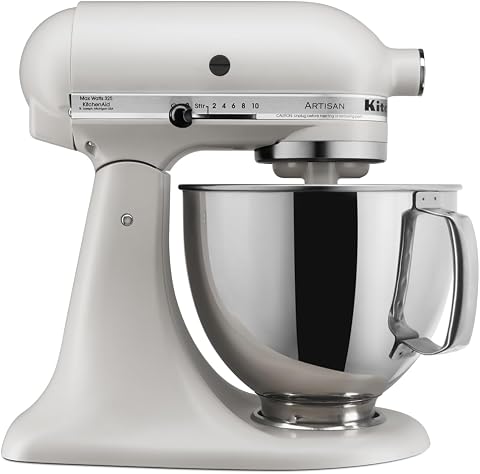
KitchenAid Artisan Series 5 Quart Tilt Head Stand Mixer
- ✔ Weight: 26 lbs
- ✔ Dimensions: 14 x 8 x 14 inches
- ✔ Voltage: 120V

KitchenAid Stand Mixer Attachment
- ✔ Weight: 4.5 lbs
- ✔ Dimensions: 8 x 6 x 10 inches
- ✔ Warranty: 1 year
KitchenAid Artisan Series 5 Quart Tilt Head Stand Mixer
<p>The KitchenAid Artisan Series 5 Quart Tilt Head Stand Mixer is renowned for its durability and powerful performance. Built with a sturdy metal construction, it handles a wide range of recipes with ease. The tilt-head feature provides easy access to the bowl, making it simple to add ingredients or change attachments.</p><p>In my testing, the mixer operated smoothly, and the tilt mechanism was reliable—until it became stuck. This guide helps you troubleshoot and fix common tilt-back issues safely and effectively.</p>
Pros:
- Sturdy metal construction for durability
- Easy tilt-head access for ingredient addition
- Powerful 10-speed motor
- Large 5-quart stainless steel bowl
Cons:
- Tilt mechanism can sometimes jam if not maintained
- Requires careful handling of hinge parts
- No automatic tilt release
Best for: Home bakers needing a reliable, heavy-duty mixer
Not ideal for: Users expecting a lightweight or compact design
Bottom line: A durable and versatile mixer—keep it well-maintained for optimal performance.
KitchenAid Stand Mixer Attachment
The KitchenAid Metal Food Grinder attachment expands your mixer’s functionality, allowing you to grind meat, vegetables, and more with ease. It connects seamlessly to the power hub and includes various grinding plates and sausage stuffer tubes, making it a versatile addition for any home chef.
Pros:
- Creates fresh ground ingredients
- Multiple grinding plates included
- Easy to attach and clean
- Makes food prep faster
Cons:
- Requires separate purchase of the grinder attachment
- Can be bulky to store
- Needs pre-chilling for best results
Best for: Homemakers wanting to process ingredients from scratch
Not ideal for: If you prefer pre-ground ingredients or have limited space
Bottom line: A practical attachment to diversify your kitchen tasks.
Frequently Asked Questions
Why won’t my KitchenAid tilt back?
Common reasons include obstructions, mechanical wear, or misalignment of the hinge. Follow the troubleshooting steps to identify and fix the issue.
How do I safely fix a stuck tilt head?
Unplug the mixer, inspect for debris, lubricate moving parts, and check for damage. Do not force the tilt mechanism to avoid further damage.
Can I replace the hinge myself?
Yes, if you are comfortable with basic repairs. Otherwise, consult a professional or contact KitchenAid customer service for guidance.
How often should I clean and lubricate the tilt mechanism?
Regular cleaning after use and lubrication every few months help maintain smooth operation and prevent sticking.
What should I do if my mixer still won’t tilt after troubleshooting?
Contact authorized repair services or KitchenAid customer support for professional assistance and potential part replacements.
Getting Your KitchenAid Mixer Moving Again
With proper inspection, cleaning, and maintenance, most tilt-back issues with your KitchenAid Artisan Stand Mixer can be resolved quickly. Regular upkeep and prompt attention to minor problems will extend the life of your appliance and ensure it performs at its best. Remember to always prioritize safety and when in doubt, seek professional help to avoid further damage or injury.
Affiliate disclosure: As an Amazon Associate we earn from qualifying purchases. Prices and availability are accurate as of the time of publishing.
Halloween Picks
halloween
As an affiliate, we earn on qualifying purchases.