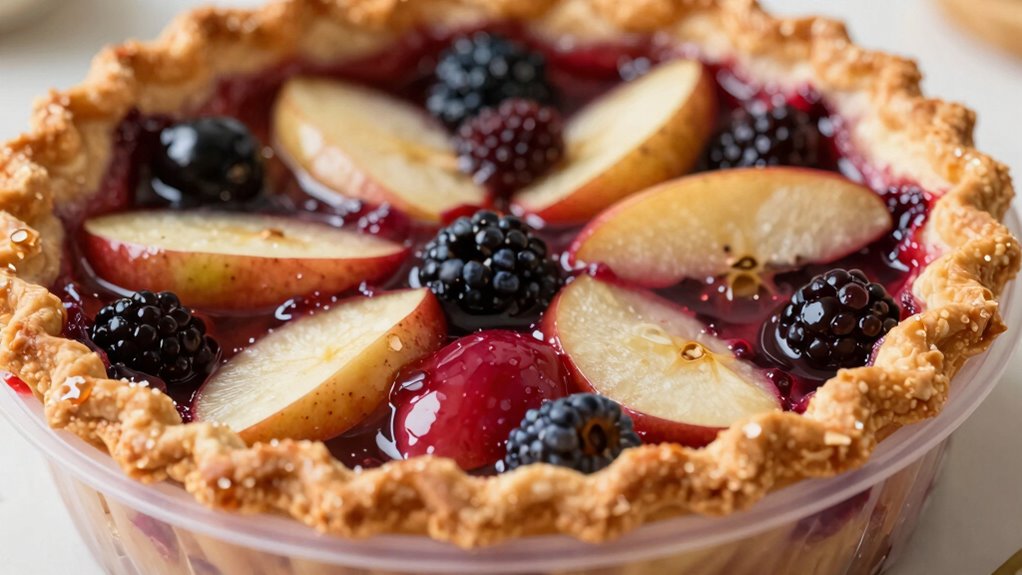
To prevent fruit pie soup, focus on selecting firm, less juicy fruits and pre-treat them with a thickener like cornstarch or tapioca to absorb excess moisture. Handle the crust carefully and avoid overfilling to prevent leaks. Bake at the right temperature to set the filling quickly, and let the pie cool completely to allow the juices to thicken. Keep these tips in mind, and you’ll discover more ways to perfect your pie.
Key Takeaways
- Select firm, less juicy fruits and handle them properly to minimize excess moisture in the filling.
- Use thickening agents like cornstarch or tapioca to absorb juice and stabilize the filling.
- Avoid overfilling the pie and leave space at the top for filling expansion during baking.
- Bake at moderate temperatures to set the filling quickly and prevent fruit from bursting.
- Cool the pie completely before storing to allow the filling to thicken and prevent juice separation.

Clear Jel by Medley hills farm 1.75 Lbs. in Reusable Container – Great Clear Jel for canning Pie Filling – Gluten-Free – Non-GMO – Made in USA
Includes 1.75 lbs. of Clear jel in Reusable container for easy storage. Clear gel modified cornstarch. Flour might…
As an affiliate, we earn on qualifying purchases.
As an affiliate, we earn on qualifying purchases.
Why Do Fruit Pies Turn Soggy or Soupy?
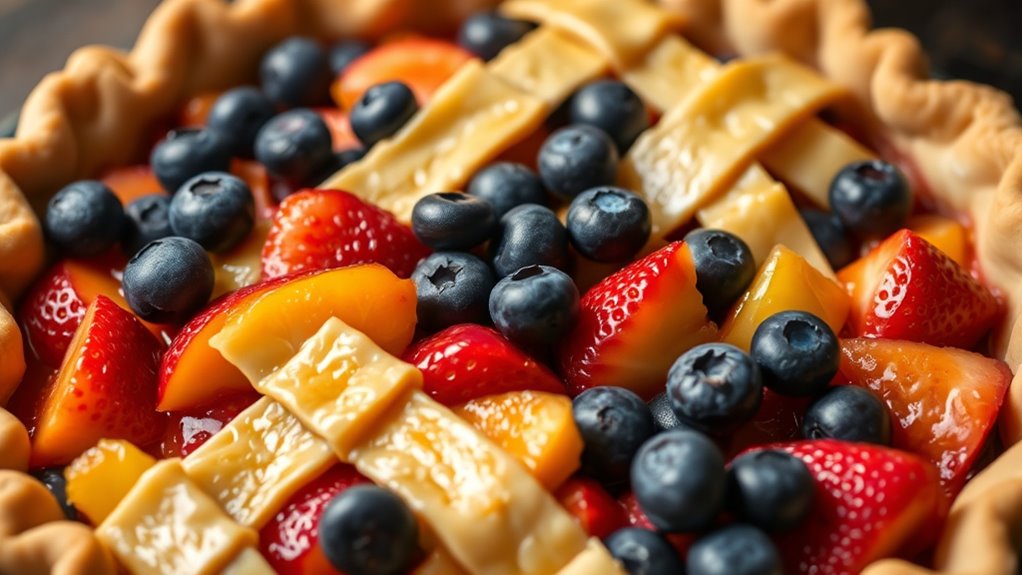
Have you ever bitten into a fruit pie only to find it soggy or overflowing with juice? That’s usually because the fruit juice wasn’t properly managed during baking. When the fruit releases excess juice, it can seep into the crust, making it soggy and ruining the desired pie texture. The balance between the fruit’s natural moisture and the crust’s ability to absorb it is delicate. If the fruit has too much juice or the filling isn’t thickened enough, the liquid can break through the crust, resulting in a soupy mess. Using the right thickening agents, like cornstarch or flour, helps trap the juice. Properly preparing your fruit and controlling the moisture level is key to maintaining that perfect, flaky crust and firm filling. Additionally, understanding the importance of creative storytelling in presenting your recipes can make your baking tips more engaging and memorable. Implementing moisture control techniques during preparation can significantly reduce the risk of a runny filling, ensuring a more stable and enjoyable pie. Incorporating proper fruit selection also plays a crucial role in achieving the right moisture balance. Being mindful of piercing or venting the crust allows excess steam to escape, reducing the chance of a soggy bottom.

Pineapple Pie Filling 2lb Ready to Use Squeeze Tube | Perfect for Pies, Cake Filling, Desserts & More | Convenient No Mess Fruit Filling for Baking
Ready-to-Use Convenience – No prep, no mess! Just open and squeeze – ideal for quick, professional-looking results when…
As an affiliate, we earn on qualifying purchases.
As an affiliate, we earn on qualifying purchases.
How to Choose the Best Fruits for Your Pie
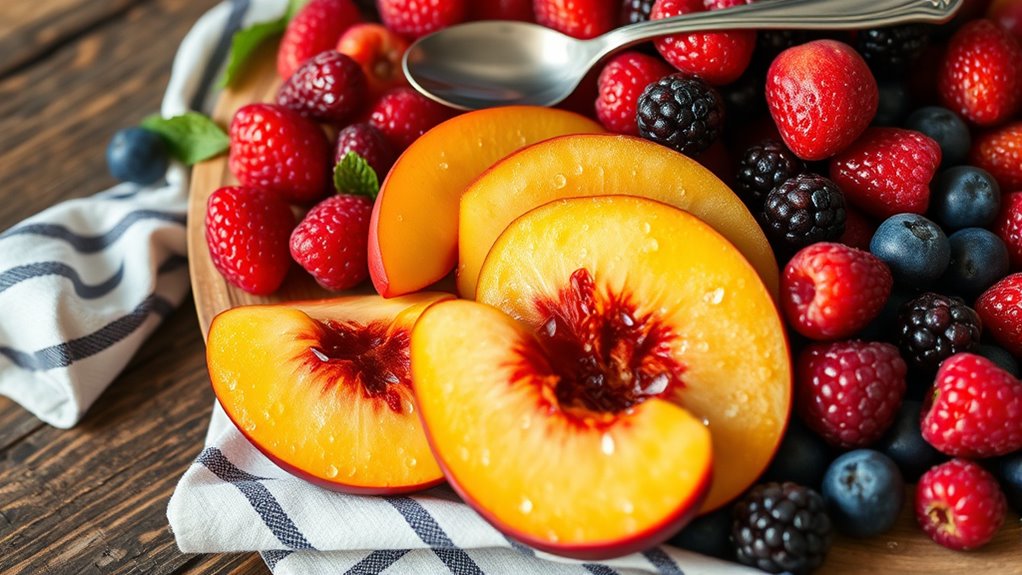
Choosing the right fruits is essential for a delicious and well-structured pie. When selecting fruits, focus on balancing flavors and moisture content. Fruits like apples, berries, and peaches work well because they hold their shape and have balanced juice levels. Use this table to guide your fruit selection:
| Fruit Type | Moisture Level | Flavor Profile |
|---|---|---|
| Apples | Low to moderate | Mild, sweet, tart |
| Berries | High | Intense, tart, sweet |
| Peaches | Moderate | Sweet, fragrant |
| Plums | Moderate | Tart, sweet |
Choosing fruits with appropriate moisture levels prevents excess juice, helping you manage juice release and avoid sogginess. Proper fruit selection is key to flavor balancing and a perfect pie. Additionally, understanding the zodiac traits of certain fruits can help you select those that enhance your baking experience. Being aware of the moisture content of fruits can further improve your pie results by reducing the risk of excess juice. Recognizing the soil conditions where fruits are grown can also influence their juiciness and flavor, contributing to better pie outcomes. Incorporating water management techniques during preparation can help control juice release and improve the overall texture of your pie. Using proper fruit ripeness is crucial for achieving the desired balance of flavor and moisture.

Roots Circle 100% Pure Corn Starch |17.63oz Airtight Container | All Natural Thickener for Soups, Stews, Gravy, Baking Pies, Puddings & Cakes | Gluten-Free, Non-GMO, Vegan, Kosher, Food-Grade
DEVELOPS THICK AND HEARTY SOUPS AND STEWS: Corn starch, also referred to as ‘cornflour’, is a denser, courser…
As an affiliate, we earn on qualifying purchases.
As an affiliate, we earn on qualifying purchases.
How to Prepare Your Fruit Filling to Prevent Sogginess

To prevent your pie from becoming soggy, start by using thickening agents like cornstarch or flour to absorb excess juice. Make sure to properly prepare your fruit by draining or tossing it with sugar and thickener before assembling. These simple steps will help keep your filling firm and your crust crisp. Additionally, employing high-quality best fruit fillings can further ensure your pie maintains its ideal texture. Incorporating AI ethics considerations can also guide the development of better preservation techniques to protect your dessert. Understanding how juice release affects pie texture can help you fine-tune your process for consistently perfect results. Recognizing the importance of food preservation techniques can further enhance your ability to maintain the desired consistency. Being aware of moisture management strategies is essential for achieving a consistently crisp crust and well-set filling.
Use Thickening Agents
When preparing your fruit filling, thickening agents are essential for preventing sogginess and guaranteeing a firm, well-structured pie or tart. They work by absorbing excess fruit juice and creating a gel-like consistency that holds the filling together. You can choose from options like cornstarch, tapioca starch, or flour, depending on your preference and the type of fruit. To use, mix the thickening agent with sugar or a small amount of water before adding it to the fruit. This prevents lumps and ensures even distribution. As the filling cooks, the thickening agent activates, thickening the juice and reducing excess liquid. Proper use of thickening agents results in a stable, less watery filling that holds its shape and prevents your pie from turning into fruit juice soup. Additionally, maintaining the correct color temperature during cooking can help achieve an appealing appearance and prevent over-softening of the fruit.
Proper Fruit Preparation
Proper fruit preparation is essential for preventing sogginess in your pie or tart. Start by carefully selecting firm, ripe fruit that holds its shape during baking. Avoid overly soft or overly juicy options, as they can release excess liquid. Before use, wash your fruit thoroughly to remove dirt and residues, which can impact texture and flavor. After washing, consider slicing or dicing the fruit evenly to promote uniform cooking and juice release. If needed, sprinkle the fruit with a small amount of sugar or a thickening agent to help draw out excess moisture before adding it to your crust. Proper fruit prep ensures a balanced filling that stays firm and prevents a soggy crust, giving you a clean, professional-looking dessert.

Anthony's Organic Tapioca Flour Starch, 2.5 lb, Gluten Free, Non GMO
USDA Organic Tapioca Flour / Starch
As an affiliate, we earn on qualifying purchases.
As an affiliate, we earn on qualifying purchases.
How to Properly Prepare and Assemble Your Pie Crust
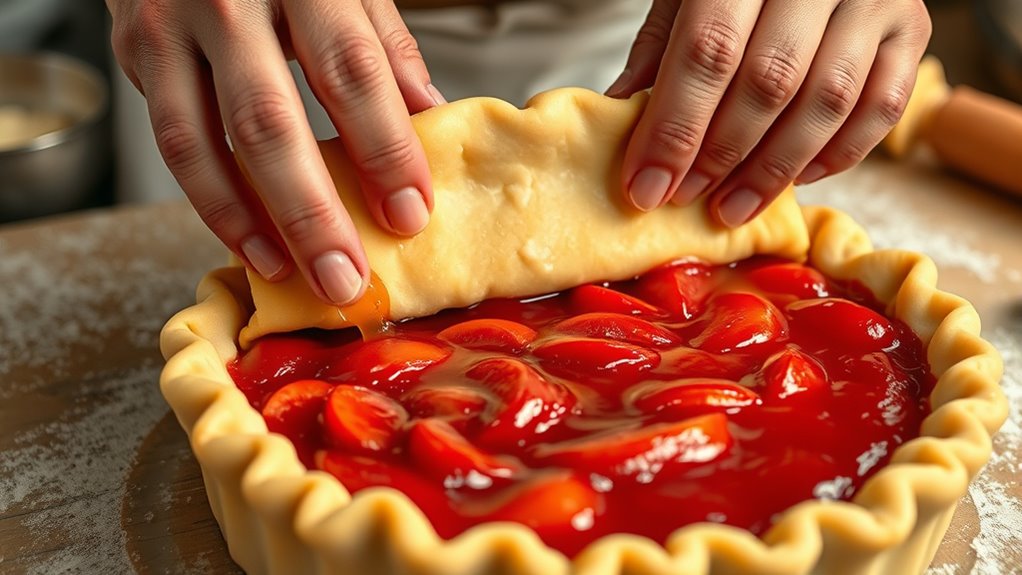
Getting your pie crust just right starts with the right preparation and assembly. First, use proper pie crust techniques, like chilling the dough before rolling to prevent sticking and shrinkage. When handling the dough, keep it cold and work quickly to avoid warming and tearing. Roll it out evenly on a lightly floured surface, turning frequently to maintain shape. When transferring the crust to your pie dish, gently fold it into quarters or roll it onto your rolling pin for easy placement. Trim excess edges neatly, then crimp or flute for a professional finish. Using these dough handling tips ensures a sturdy, even crust that’s less prone to cracks and leaks, setting a solid foundation for your filling and helping you manage juice release effectively. Incorporating visual cues during the process can also help ensure your crust is perfectly prepared before baking. Paying attention to essential oil properties like cooling and antimicrobial effects can also help keep your workspace clean and your dough at the optimal temperature. Additionally, understanding the importance of quality assessment in ingredients can ensure your crust maintains consistency and durability throughout baking. Properly managing contingency plans for unexpected issues such as excess moisture can further improve your pie’s outcome. For example, using a starch-based thickener like cornstarch or flour can help absorb excess juice and prevent a soupy filling.
Baking Techniques to Reduce Juice Leakage
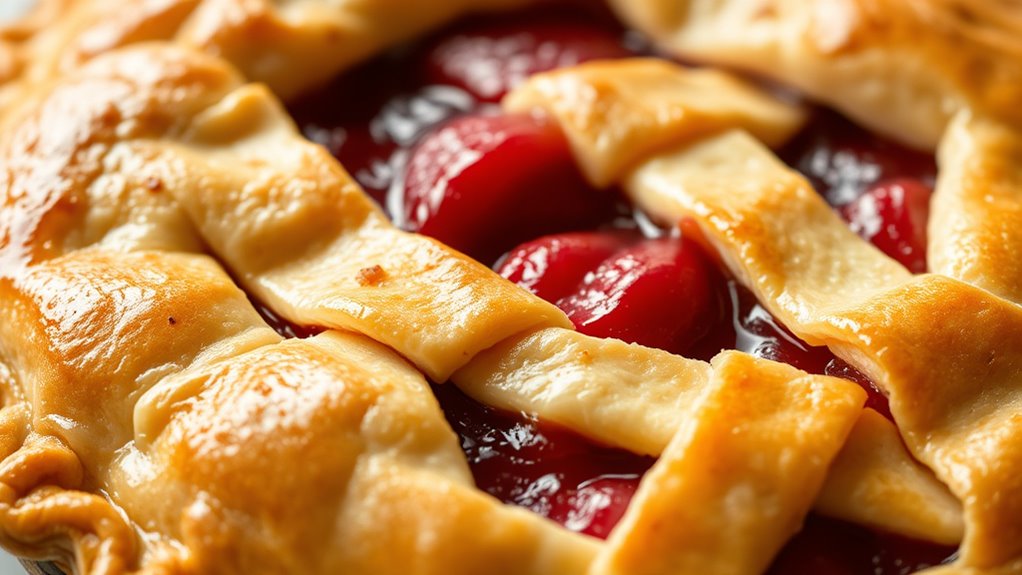
To minimize juice leakage, start by selecting firm fruits that hold their shape during baking. Pre-treat them with a thickener like cornstarch or flour to absorb excess moisture. Additionally, using a properly calibrated oven temperature ensures the filling sets quickly and prevents leaks. Also, make certain you’re baking at the right temperature to set the filling quickly and prevent leaks. Utilizing on-page SEO strategies can also help improve your recipe’s visibility and provide tips for optimal baking results.
Choose Firm Fruits Carefully
Choosing firm fruits is essential for minimizing juice leakage during baking. When selecting fruit, focus on fruit firmness, which helps the fruit hold its shape and prevents excess juice from seeping out. Opt for varieties known for their durability, such as firm apples or berries with thicker skins. Avoid overly soft or ripe fruits that release more juice during baking, increasing the risk of a soggy pie. By carefully considering variety selection, you can ensure your fruit maintains its structure, reducing the need for additional thickeners or crust issues. Proper fruit firmness not only improves texture but also helps keep your pie filling cohesive and less prone to becoming a watery mess. Additionally, understanding fruit ripeness can guide you in choosing the optimal stage for baking, ensuring minimal juice release. Selecting fruits at the right ripeness stage is crucial, as underripe fruits tend to be firmer and release less juice, further contributing to a successful, juice-controlled pie. Maintaining proper fruit storage conditions also helps preserve firmness and quality. Proper variety selection is a simple yet effective step toward a perfect, juice-controlled pie.
Pre-Treat With Thickener
Pre-treating your fruit with a thickener is an essential step to prevent excess juice from leaking out during baking. Using the right thickening agents helps absorb fruit juice and keeps your pie filling stable. To guarantee effectiveness, mix your chosen thickener thoroughly with sugar or fruit before adding it to the pie. Consider these options:
- Cornstarch, which thickens quickly and clear
- Tapioca starch, for a glossy, stable finish
- Clear gel or flour, as alternative thickeners
Applying these thickeners evenly helps reduce runny fruit juice, maintaining the pie’s texture. Be mindful not to overdo it, as too much thickening agent can alter flavor or consistency. Proper pre-treatment with thickening agents is a simple yet essential step in managing juice release effectively.
Use Proper Baking Temperatures
Baking your pie at the right temperature is essential for minimizing juice leakage. Proper baking temperature ensures the fruit juices set correctly and don’t seep out during baking. Always verify your oven calibration to maintain accurate baking temperatures. An oven that runs hot or cold can cause uneven cooking, leading to excessive juice release or a soggy crust. Use an oven thermometer to check if your oven’s temperature matches the setting, and adjust accordingly. Baking at too high a temperature can cause the fruit to burst and leak juice, while too low may prevent the crust from setting properly. Aim for a consistent, moderate baking temperature to achieve a well-set filling and a golden crust, reducing the chances of fruit pie soup.
Post-Baking Tips for a Perfectly Set Fruit Pie
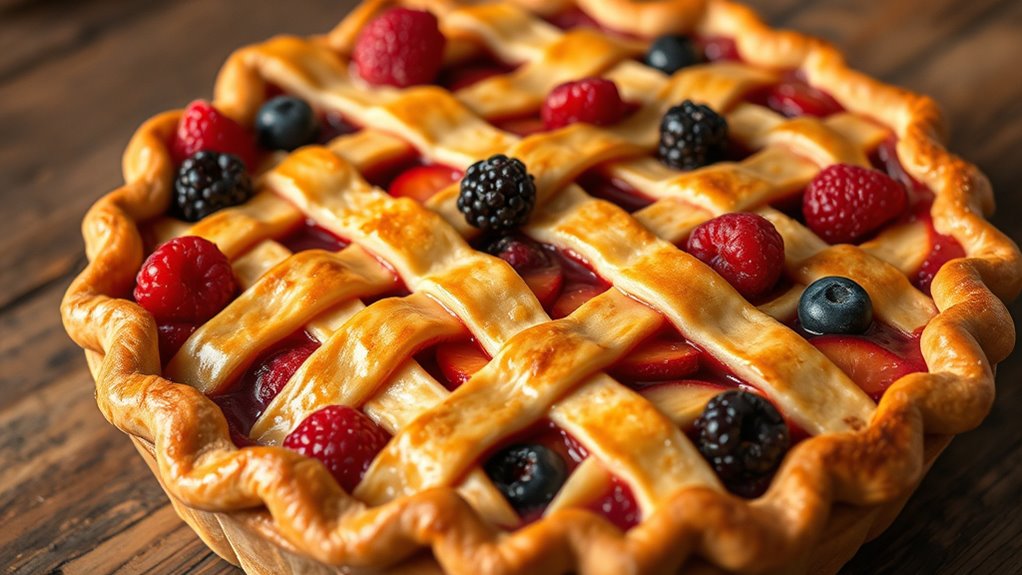
Once your fruit pie comes out of the oven, it’s essential to let it set properly to guarantee the filling thickens and the crust firms up. This step prevents excess juice from turning your pie into soup. To achieve a perfectly set pie, consider these tips:
- Allow the pie to cool completely at room temperature before slicing, giving the filling time to thicken.
- Store the pie in the refrigerator to maintain freshness and prevent juice separation.
- When serving, choose complementary fruit pairings that enhance natural flavors without adding excess moisture.
Extra Tips and Common Mistakes to Avoid for a Flawless Pie
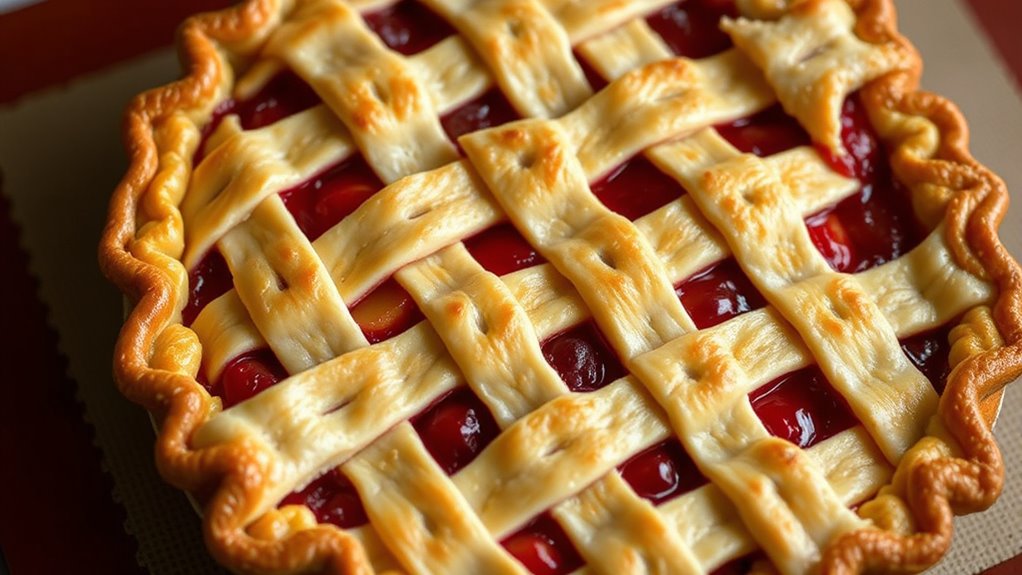
To achieve a flawless fruit pie, paying attention to common pitfalls and applying extra tips can make all the difference. One key mistake is neglecting proper crust sealing, which allows fruit juice to escape and create a soggy crust or fruit syrup leakage. Always ensure your edges are pinched well and consider brushing the crust with an egg wash to improve sealing. Additionally, precook your fruit with a little sugar and thickener to reduce excess liquid. Avoid overfilling the pie, which increases juice release. Use this table as a quick reference:
| Mistake | Solution | Tip |
|---|---|---|
| Inadequate crust sealing | Use egg wash or flour slurry | Sealing prevents juice leaks |
| Excess fruit juice | Pre-cook fruit with thickener | Reduces fruit syrup overflow |
| Overfilling | Leave space at top | Minimize juice release |
| Using too much fruit syrup | Drain excess syrup | Keeps filling stable |
Applying these tips helps you craft a perfect, leak-free fruit pie.
Frequently Asked Questions
Can Adding Thickening Agents Alter the Flavor of My Fruit Pie?
Adding thickening agents can slightly alter the flavor of your fruit pie, but if you choose ingredients like cornstarch or arrowroot, you’ll preserve the original flavor better. These are good ingredient substitutions because they don’t add much extra taste. Keep in mind, a small change in flavor might occur, but it helps prevent juice runoff, making your pie more appealing and enjoyable without compromising the overall flavor.
Are There Specific Fruits That Inherently Produce Less Juice?
Surprisingly, some fruits like apples, pears, and berries are drier fruit varieties, naturally producing less juice. You might think all fruits leak like a broken faucet, but choosing low juice options can keep your pie from turning into a soggy mess. These fruits hold their shape better and require less thickening, making your baking experience smoother and your pie perfectly balanced—no need to wrestle with excess juice.
How Does Storage Affect the Juiciness of a Pie?
Storage temperature and fruit firmness directly impact the juiciness of your pie. Keep your fruit at a cool, consistent temperature to slow down juice release, and choose firmer fruits that resist breaking down. If you store your pie in a cold environment, it helps maintain the fruit’s structure and reduces excess juice. Avoid high temperatures, which can soften fruit and cause more juice to seep out, creating that unwanted soup.
Can Pre-Cooking Fruit Reduce Juice Leakage During Baking?
Pre-cooking fruit can definitely reduce juice leakage during baking because it allows you to control fruit juice reduction beforehand. When you cook the fruit lightly, you evaporate excess moisture, making the filling less likely to turn into soup. This coincidence of preparation and outcome means your pie stays neatly filled, and you avoid a soggy crust. So, give pre-cooking a try to keep your pie juicy but not runny!
What Role Does Oven Temperature Play in Juice Management?
Oven temperature plays a vital role in juice management by controlling crust moisture and juice evaporation. When you set the right temperature, it helps your crust develop a golden, crisp exterior while preventing excess moisture from seeping out. Too low, and the crust stays soggy, allowing juices to leak; too high, and the crust burns before juices evaporate properly. Adjusting oven temperature guarantees your fruit pie maintains ideal moisture levels and texture.
Conclusion
Follow these tips, and your fruit pie will be the reigning champion of desserts—no more juice explosions or soggy messes! With perfect fruit choices, smart prep, and baking tricks, you’ll create a masterpiece so stunning, it’ll make bakery pies look like amateur hour. Say goodbye to pie disasters and hello to a glorious, gorgeously set fruit pie that’ll impress everyone and leave them begging for your secret. Your baking legend starts now—go conquer that pie!