To avoid a sandy or gritty texture in your rice flour baked goods, choose superfine, high-quality rice flour and sift it before mixing to break up clumps. Incorporate it with other gluten-free flours or starches to improve smoothness, and consider freshly grinding rice at home for a finer grind. Proper storage and precise measurements also help achieve a lighter crumb. Keep exploring for expert tips that can help you perfect your baked goods even further.
Key Takeaways
- Use superfine rice flour from reputable brands for a smoother texture.
- Sift rice flour before mixing to break up clumps and evenly distribute particles.
- Consider grinding rice flour at home with a coffee grinder for a finer, more consistent grind.
- Combine rice flour with gluten-free starches like tapioca or potato starch to improve crumb softness.
- Incorporate binders such as xanthan gum to enhance cohesion and reduce grainy mouthfeel.
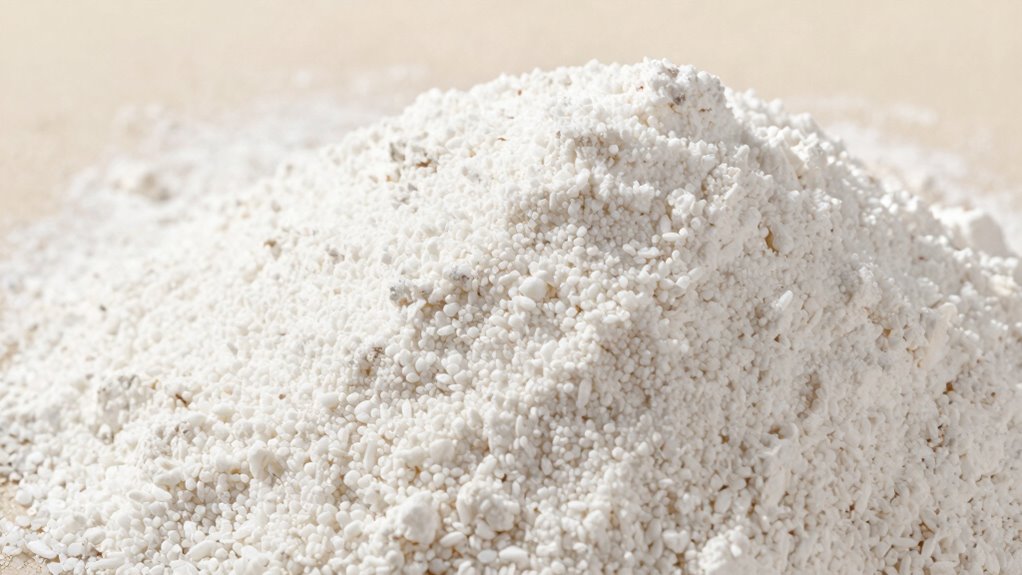
Have you ever noticed a gritty texture when working with rice flour? If so, you’re not alone. Many people encounter this issue, especially when they’re trying to perfect gluten free baking. Rice flour, while a versatile ingredient, often has a grain texture that can turn a smooth batter or dough into something sandy or coarse. This gritty feeling can affect the final product’s texture, making baked goods less tender and more crumbly than intended. Understanding why rice flour can be gritty and how to avoid that sandy texture will help you achieve better results every time.
Gritty rice flour can make baked goods coarse and crumbly—choose superfine, sift, and experiment for smoother results.
The grain texture of rice flour is one of its main challenges. Unlike wheat flour, which contains gluten that helps bind ingredients together, rice flour lacks this protein, making it more prone to a coarse feel. The grain size of rice flour can vary depending on how finely it’s ground, but even the finest varieties can sometimes leave a gritty mouthfeel. This is especially noticeable if the rice flour isn’t processed properly or if it’s old and has absorbed moisture, causing clumping and uneven texture. When used in gluten free baking, the goal is to mimic the tender, cohesive qualities of traditional baked goods, but the grain texture of rice flour often works against this aim.
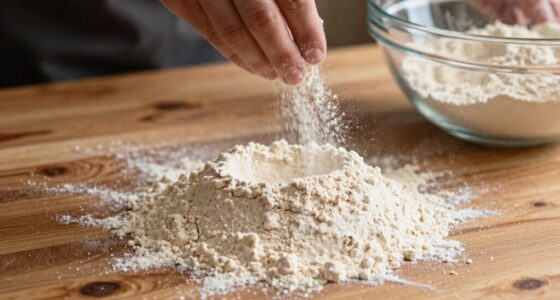
To avoid the sandy texture, start by choosing a high-quality rice flour that’s been ground very finely. Look for brands that specialize in gluten free baking or that advertise superfine rice flour. These tend to produce a smoother, more consistent batter and baked goods with a lighter, fluffier crumb. Sifting your rice flour before mixing can also help break up any clumps and distribute the particles evenly throughout your batter, reducing the gritty sensation. Additionally, combining rice flour with other gluten free flours, such as tapioca or potato starch, can improve the overall texture. These starches help fill in the gaps between rice flour particles, leading to a softer, more cohesive crumb.
Another tip is to experiment with soaking or grinding your rice flour at home using a coffee grinder or food processor. Sometimes, fresh grinding creates a finer grind than pre-packaged options, which can *considerably* improve the grain texture. When baking, be sure to measure your ingredients accurately and avoid overmixing, as this can activate any residual grit and result in a coarse finished product. Incorporating binders like xanthan gum or guar gum can also help compensate for the lack of gluten, giving your baked goods better structure and mouthfeel.

Authentic Foods Superfine White Rice Flour – 3lb
Gluten free, dairy free, nut free, corn free, and soy free
As an affiliate, we earn on qualifying purchases.
As an affiliate, we earn on qualifying purchases.
Frequently Asked Questions
Can Rice Flour Be Stored for Long Periods Without Spoilage?
Yes, rice flour can be stored for long periods without spoilage if you follow proper storage tips. Its shelf life typically ranges from 6 months to a year, depending on storage conditions. Keep it in an airtight container in a cool, dry place away from direct sunlight. This helps prevent moisture and pests, ensuring your rice flour remains fresh and safe to use for an extended time.
Does Rice Variety Affect the Grittiness of Rice Flour?
Yes, the rice variety considerably affects the grittiness of rice flour because different rice types have varying grain textures. For example, short-grain rice tends to produce a finer, smoother flour, while long-grain rice may result in a slightly gritty texture. When choosing rice, opt for the variety with the desired grain texture to minimize sandiness, and guarantee proper milling to achieve the best flour consistency.
Are There Specific Brands Known for Smoother Rice Flour?
Think of finding smooth rice flour like discovering a hidden gem. Some brands have a stellar reputation for producing silky, fine flour, making your baking dreams come true. You should check product reviews and trusted brands like Bob’s Red Mill or King Arthur. Their reputation for quality means you’re more likely to get a smooth texture, helping you avoid that gritty, sandy mouthfeel and creating perfect baked goods every time.
How Does Humidity Influence Rice Flour Grit?
Humidity markedly impacts rice flour grit by increasing moisture absorption, which can cause the grains to stick together, leading to a sandy texture. When humidity is high, the flour absorbs more moisture, reducing grain cohesion and making it prone to clumping. To prevent this, store your rice flour in an airtight container in a cool, dry place, and consider adding a desiccant to maintain ideal moisture levels, ensuring smoother texture.
Can Homemade Rice Flour Be Less Gritty Than Store-Bought?
Yes, homemade rice flour can be less gritty than store-bought because you control the grain fineness and milling techniques. Use a high-powered blender or grain mill to grind the rice into a very fine powder, then sift it thoroughly. Rinsing the rice beforehand helps remove surface starches that contribute to grit. These steps make certain your homemade rice flour has a smoother, less sandy texture compared to commercial options.

Bob's Red Mill, Gluten Free Rice Flour, 1.5 lb
No Artificial Flavors, Preservatives
As an affiliate, we earn on qualifying purchases.
As an affiliate, we earn on qualifying purchases.
Conclusion
To avoid that sandy, gritty texture in your rice flour, think of it like fine sand slipping through your fingers—unwanted and rough. Instead, aim for a smooth, silky powder that feels like soft dust on your skin. When you sift or grind carefully, you create a gentle, cloud-like consistency that melts seamlessly into your recipes. With patience and attention, you’ll transform your rice flour into a delicate, velvety ingredient, elevating every dish you make.
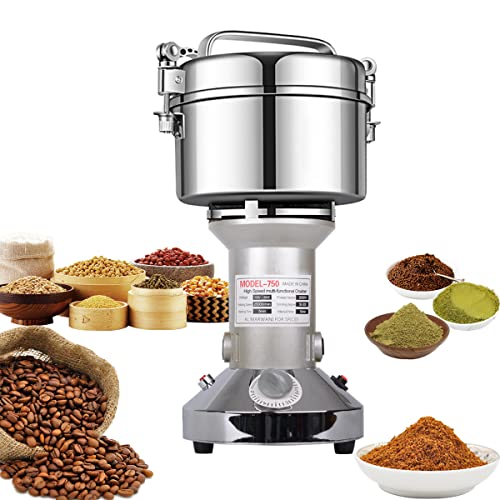
Grain Mill Grinder 750g High Speed Electric Stainless Steel Grinder Cereals Corn Flour Pulverizer Powder Machine for Dry Spice Herbs Grains Coffee Rice Pepper
✅ MIXER GRINDER : Power:2000W ; Capacity:750g; Interval Time:5-10 min;Rotating Speed: 25000R/Min,Triples blade: grinding blade, rotary blade, and…
As an affiliate, we earn on qualifying purchases.
As an affiliate, we earn on qualifying purchases.

Anthony's Organic Tapioca Flour Starch, 2.5 lb, Gluten Free, Non GMO
USDA Organic Tapioca Flour / Starch
As an affiliate, we earn on qualifying purchases.
As an affiliate, we earn on qualifying purchases.