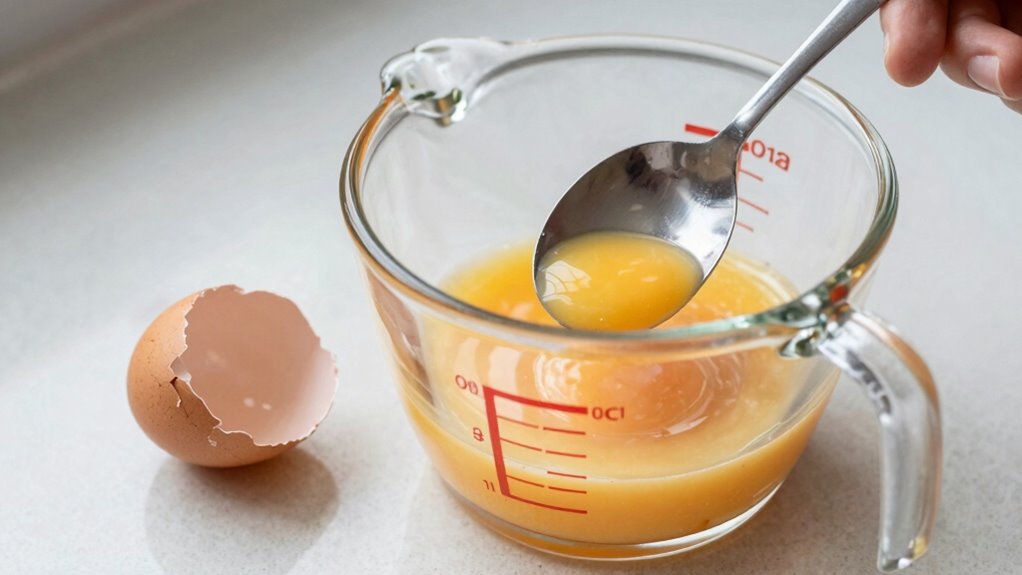

To halve an egg without stress, start by lightly beating the egg to combine the yolk and white. Use a liquid measuring cup or a digital kitchen scale for accuracy—about 25 grams for half a large egg. Measuring by weight guarantees you get the right amount without guesswork, maintaining proper ingredient ratios. If you want more tips on precise baking measurements, keep exploring how to adjust your recipes perfectly.
Key Takeaways
- Beat the egg lightly to combine yolk and white before measuring for consistency.
- Use a liquid measuring cup or a kitchen scale for accurate half-egg measurement.
- An average large egg weighs about 50 grams; half is approximately 25 grams.
- For recipes needing precise egg halves, measure the beaten egg by weight rather than eyeballing.
- Consider egg substitutes like applesauce or yogurt if halving the egg affects recipe balance.
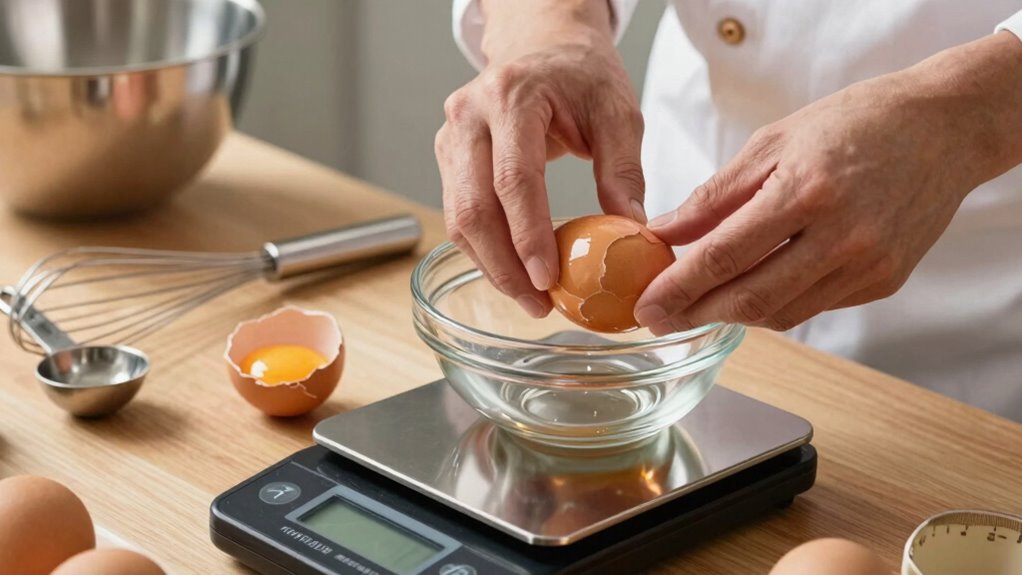
Have you ever wondered how math plays an essential role in baking? It’s not just about following a recipe; it’s about understanding how precise measurements and ratios can make or break your baked goods. When you’re halving a recipe, for example, you need to be especially careful with measuring accuracy and ingredient ratios. Small errors in measurement can lead to dry cookies, dense muffins, or flat cakes. That’s why knowing how to accurately halve ingredients, including eggs, is such an important skill.
Measuring accuracy is key because baked items rely heavily on the chemistry between ingredients. If you’re halving a recipe that calls for one large egg, you can’t just crack the egg and use half of it by eye — it’s too imprecise. Instead, you should beat the egg lightly to combine the yolk and white, then measure out exactly half of the mixture. Using a liquid measuring cup or a small kitchen scale can help you be precise. For example, if your beaten egg weighs about 50 grams, you’d measure out approximately 25 grams for half. This way, you maintain the proper ingredient ratios, guaranteeing your baked good turns out just right.
Accurate measurement of eggs ensures proper baking chemistry and consistent results.
Understanding ingredient ratios is essential because they influence texture and structure. When you halve a recipe, it’s not just about cutting ingredients in half; it’s about maintaining the balance. For instance, eggs provide moisture, structure, and leavening. If you reduce an egg by half, you need to consider whether the remaining ingredients can support the batter’s stability. Sometimes, replacing the missing egg with a substitute like applesauce or yogurt may help maintain the right ratios, especially if the recipe relies heavily on the egg for binding.
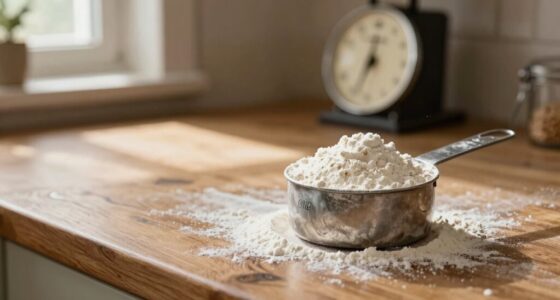
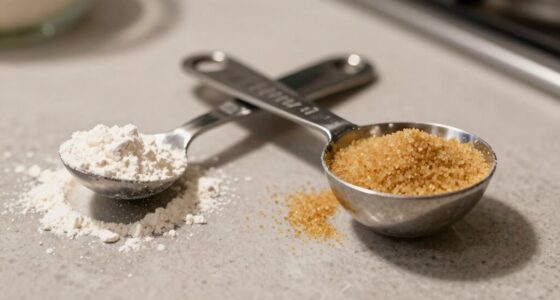
Accurate measurements become even more critical with dry ingredients like flour and sugar. Using measuring spoons or cups can be tricky, so a kitchen scale is your best friend here. For halving, weigh each ingredient to avoid inaccuracies caused by overpacking or scooping. This level of precision ensures that your ingredient ratios stay consistent, which is essential for the chemical reactions that make baked goods rise and develop flavor.
Additionally, understanding the role of eggs in baking helps you adapt recipes more effectively, especially when adjusting portion sizes. When you approach halving a recipe with careful measurement and ratio awareness, you’ll find baking becomes less stressful and more satisfying. You’ll enjoy the process and end up with treats that look, taste, and feel just as good as the full-sized versions.

Etekcity Food Kitchen Scale, Digital Grams and Ounces for Weight Loss, Baking, Cooking, Keto and Meal Prep, LCD Display, Medium, 304 Stainless Steel
𝗘𝗳𝗳𝗼𝗿𝘁𝗹𝗲𝘀𝘀 𝗪𝗲𝗶𝗴𝗵𝗶𝗻𝗴: Supports 5 units (oz/lb:oz/fl'oz/g/mL), tare function, and includes 2 AAA batteries for hassle-free operation
As an affiliate, we earn on qualifying purchases.
As an affiliate, we earn on qualifying purchases.
Frequently Asked Questions
How Do I Measure a Half Egg Accurately?
To measure a half egg accurately, start by cracking the egg into a small bowl. Use a spoon to gently divide the egg into two equal parts, visually estimating the halfway point. For more precision, you can also use egg shell measurements—gently pour the yolk and white into separate containers if needed. Visual estimation works well, but practicing with a small spoon helps you get closer to the perfect half every time.
Can I Use Substitutions if I Don’T Have a Scale?
You can absolutely use egg substitutes if you don’t have a scale—just be cautious. Rely on common measurement tools like measuring spoons or cups, but remember, accuracy matters. For egg equivalents, try a tablespoon of water or applesauce for each egg. These substitutions might seem simple, but they carry a secret: the right measurement can make or break your baking. Trust your judgment and experiment to find the perfect balance.
What’s the Best Way to Beat a Small Egg?
To beat a small egg, start by cracking it into a bowl, then use a whisk with quick, circular motions to incorporate air and achieve a smooth, slightly frothy consistency. For even whisking, use gentle yet firm strokes, and avoid over-whisking. If you accidentally get shell pieces, use a larger piece of eggshell or a small spoon to carefully scoop them out. Proper whisking techniques make your eggs perfect for baking!
How Does Reducing an Egg Affect Baking Results?
Reducing an egg can change your baking results because it alters the balance of egg yolk and egg white. The yolk adds richness and fat, while the white provides structure and moisture. If you halve an egg, your batter might be less tender or less stable. To compensate, you can add a small amount of milk or oil to maintain the right texture and guarantee your baked goods turn out perfect.
Are There Alternative Ingredients to Replace Eggs in Recipes?
If you’re baking without eggs, you can use egg substitutes like applesauce, mashed bananas, or flaxseed meal mixed with water. These alternatives work well in recipes needing moisture and binding. You might also try commercial egg replacers for convenience. Experimenting with different egg substitutes helps you find the best one for your baked goods, ensuring your recipes turn out delicious even without eggs.

Plastic Measuring Cup for evoloop 6 egg capacity Egg Cooker, 8 Oz Measuring
OPTIMIZED FOR EVOLOOP EGG COOKING: Features precise water lines for soft, medium & hard-boiled eggs (1-6 eggs), ensuring…
As an affiliate, we earn on qualifying purchases.
As an affiliate, we earn on qualifying purchases.
Conclusion
So, next time you find yourself needing half an egg, relax—you’ve already mastered the art of baking math. Who knew that halving an egg could be so tricky? But really, it’s all about patience and a little creativity. After all, if you can figure out fractions, you’re practically a baking wizard. So go ahead, halve that egg with confidence—your baking skills just got a whole lot more impressive, and stress just took a backseat.

Egg Piercer with Retractable Pin, Stainless Steel Egg Poker for Hard Boiled Eggs, Great Eggshell Peeler Tool to Get Good Hard Boiled Eggs, Egg Piercer Hole Seperater for Quick Peel Anti-Burst
High-Quality Materials: Crafted with a 304 stainless steel egg tray and a durable PP base, this egg piercer…
As an affiliate, we earn on qualifying purchases.
As an affiliate, we earn on qualifying purchases.
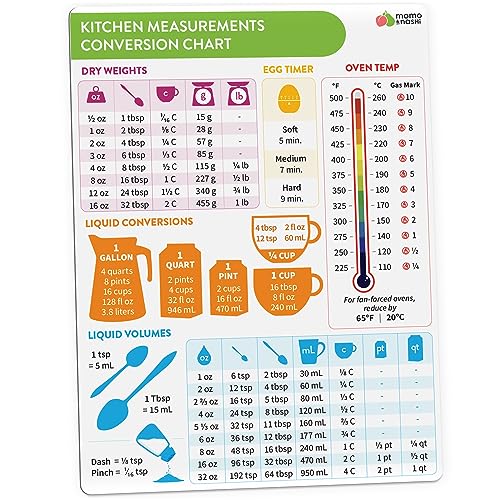
Kitchen Conversion Chart Magnet – Measurements Conversion Chart – Baking Supplies Baking Accessories Cooking Gadgets – Baking Kitchen Cooking Gifts for Women – Kitchen Gadgets
Master Every Baking Session. Our Kitchen Measurement Conversion Chart Magnet is crafted for precision with clear, bold fonts…
As an affiliate, we earn on qualifying purchases.
As an affiliate, we earn on qualifying purchases.