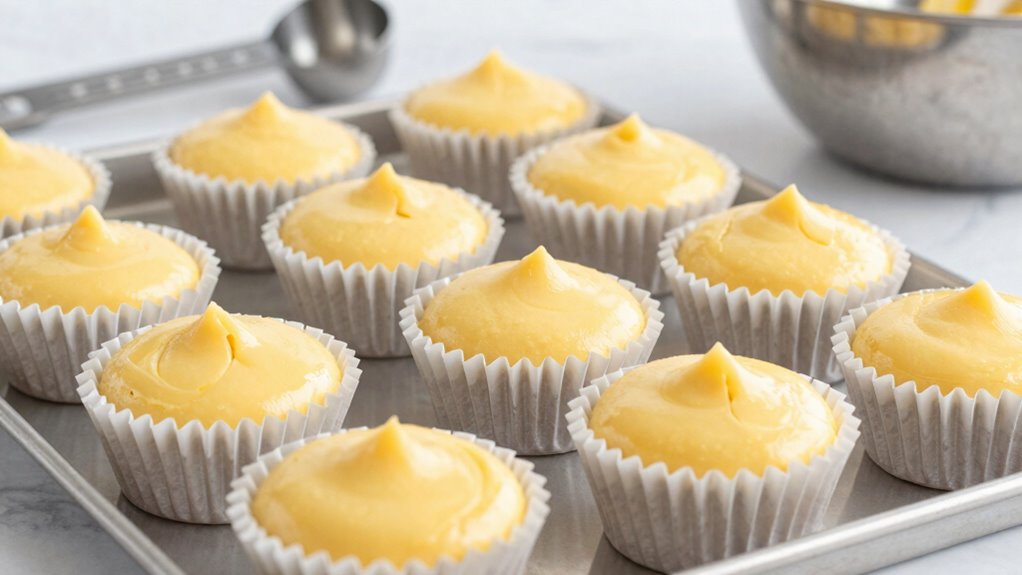

To convert a cake recipe into cupcakes without guessing, you need to adjust ingredient amounts precisely based on the number of cupcakes you want. Use about 1/4 cup of batter per cupcake and fill liners two-thirds full. Reduce your oven temperature by 25°F and bake for 15-20 minutes, checking for doneness early. Selecting the right liners and pans guarantees even baking. Follow these guidelines to achieve consistently perfect cupcakes—that’s just the start of what you’ll uncover next.
Key Takeaways
- Reduce the cake recipe ingredients proportionally, maintaining proper ratios for batter consistency and flavor.
- Use approximately 1/4 cup (60 ml) of batter per cupcake for uniform size and appearance.
- Select the correct pan size, typically a 12-cup muffin tin, for consistent baking results.
- Adjust baking temperature downward by 25°F and check for doneness earlier to prevent overbaking.
- Fill cupcake liners two-thirds full and cool completely before decorating for smooth, professional-looking cupcakes.
What Makes Cakes Different From Cupcakes?
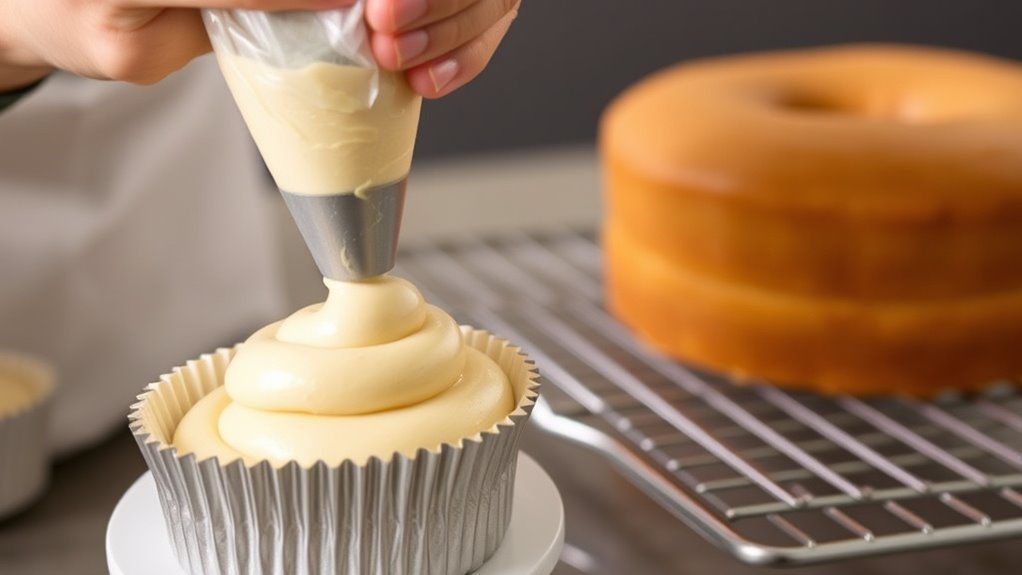
Cakes and cupcakes may share similar ingredients, but they differ mainly in size, texture, and presentation. The cake structure is larger and often layered, giving it a sturdier build suitable for slicing. Cupcakes, on the other hand, are smaller and more delicate, with a compact crumb that’s perfect for handheld servings. When it comes to frosting application, cupcakes usually require a swirl on top, making it easier to decorate individually. Cakes often have a thicker, more even layer of frosting between layers and on the exterior, which can be smoothed or textured for visual appeal. Understanding these differences helps you adjust your technique—like how you handle the cake structure and apply frosting—to successfully convert a cake recipe into cupcakes without guesswork.
How to Adjust Ingredients for Perfect Cupcakes

Adjusting your ingredients properly guarantees your cupcakes turn out light, moist, and perfectly sized. To achieve this, reduce the original cake recipe’s ingredients proportionally, maintaining the correct ratios of flour, fat, sugar, and liquids. This ensures a balanced texture and flavor. When it comes to icing techniques, use a slightly thicker consistency to pipe cleanly and showcase your decorative skills. Incorporate flavor pairings by choosing complementary extracts, spices, or fillings that enhance the cupcake’s taste without overpowering it. Be mindful of adjusting baking times slightly shorter than a cake to prevent overbaking. Proper ingredient adjustments help you control moisture and sweetness, resulting in cupcakes that not only look good but also taste delicious and respond beautifully to your icing techniques.
How Much Batter Do You Need for Cupcakes?
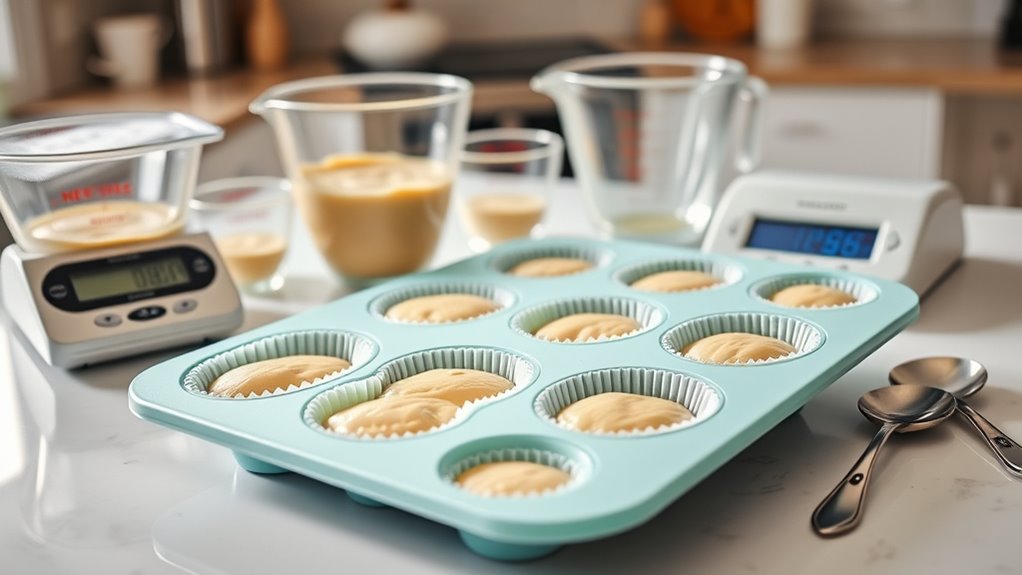
Knowing the standard cupcake size helps you estimate how much batter you need. Typically, each cupcake requires about a quarter to a third cup of batter. Adjusting the total batter based on your batch size guarantees you fill each cup properly without overflow. To ensure consistent results, consider measuring batter accurately and using a scoop or syringe for precise portions. Using a standardized portioning method can help achieve uniform cupcakes every time. Additionally, understanding batter consistency can further improve your results by preventing under- or over-filling.
Standard Cupcake Size
A standard cupcake typically requires about 1/4 cup (60 milliliters) of batter per liner. Knowing this size helps you plan your batch and guarantees uniform results. When it comes to frosting techniques and decorating styles, using this standard size makes it easier to achieve a balanced look. You’ll have enough batter for a smooth, even top, which is perfect for piping or spreading frosting neatly. This size also allows you to control portion sizes, making your cupcakes look professional. If you’re customizing decorations, understanding the typical cupcake size helps you choose appropriate piping tips and embellishments. Consistency in size ensures your decorating efforts look cohesive, giving your cupcakes a polished, attractive finish every time.
Batter Volume per Cupcake
To get the perfect batch of cupcakes, you need to know how much batter to use per cupcake. Generally, each cupcake requires about 1/4 cup (60 ml) of batter. Maintaining proper batter consistency is key for even rising and texture. If your batter is too thick, it may not fill the cupcake liners properly; if too runny, it can overflow. Filling techniques matter—use a scoop or piping bag to control volume. Here’s a quick guide:
| Cupcake Size | Batter Volume | Filling Technique |
|---|---|---|
| Standard | 1/4 cup | Scoop or piping |
| Mini | 1-2 tbsp | Spoon or piping |
| Jumbo | 1/2 cup | Piping or ladle |
| Extra Large | 2/3 cup | Piping or ladle |
Adjust volume based on size and batter consistency for best results. Understanding batter consistency and how it affects baking outcomes can help you achieve consistently perfect cupcakes, especially when adapting recipes for different cupcake sizes. Being mindful of batter temperature can also influence rise and texture, ensuring your cupcakes turn out just right. Additionally, paying attention to mixing techniques ensures even distribution of ingredients, which impacts the final product’s quality. Proper filling techniques help prevent overflow and ensure uniform cupcakes.
Adjusting for Batch Size
When planning to bake a batch of cupcakes, figuring out the total batter you need is essential to avoid shortages or excess. To do this, you’ll want to use ingredient scaling based on the number of cupcakes you intend to make. First, determine how many cupcakes your recipe yields and how much batter each cupcake requires. Then, adjust the original recipe quantities proportionally for your desired batch size. Batch adjustments involve multiplying or dividing ingredient amounts to match the number of cupcakes. Keep in mind that larger batches may require longer mixing times or slight modifications in baking time. Additionally, considering the uniformity of batter distribution ensures consistent baking results across all cupcakes. Properly measuring and mixing ingredients helps maintain recipe accuracy and ensures each cupcake turns out perfect. By carefully calibrating ingredients and adjusting for batch size, you ensure consistent results and avoid wasting batter or running short during baking. Moreover, understanding measuring techniques can help improve the precision of your adjustments. To further enhance your baking, using a kitchen scale can provide more accurate ingredient measurements, especially for dry ingredients. Also, paying attention to batter consistency can make a significant difference in the final outcome.
Picking the Best Liners and Pans for Cupcakes
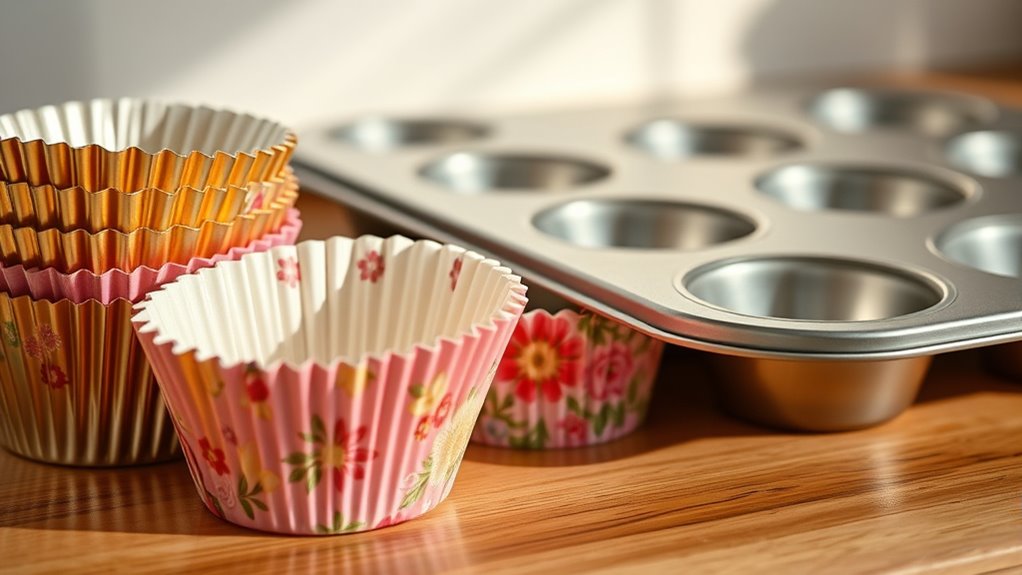
Choosing the right liners and pans can make a big difference in your cupcake success. You want durable liners that won’t easily tear and pans that are the right size to guarantee even baking. Picking the best options helps your cupcakes turn out perfect every time. Additionally, selecting high-quality bakeware can improve heat distribution and overall results. Using the proper Gold IRA custodians ensures your investment remains secure and compliant with regulations.
Choosing Durable Liners
Selecting durable liners is essential to guarantee your cupcakes hold their shape and release easily once baked. Quality cupcake liners made from sturdy materials prevent tearing or warping during baking, ensuring a professional look. When choosing durable liners, look for thick paper or silicone options that won’t bend or curl. Silicone liners are especially resilient and reusable, making them a smart investment for frequent baking. Avoid flimsy or thin cupcake liners that may stick or lose their form. Keep in mind that durable liners also help with easy removal, reducing mess and frustration. Whether you prefer classic paper liners or silicone, selecting the right, sturdy option makes a noticeable difference in your cupcake presentation and ease of baking. Proper selection of materials also contributes to maintaining the integrity of your baked goods and aligns with sustainable practices. Additionally, considering environmentally friendly options can help reduce waste and support eco-conscious baking, which aligns with sustainable baking practices and reduces environmental impact. Incorporating bulk purchasing of durable liners can also be cost-effective and ensure you always have high-quality options on hand. For added peace of mind, choosing certified eco-friendly liners can further enhance your commitment to environmentally responsible baking.
Selecting Appropriate Pan Sizes
Picking the right pan size is key to guaranteeing your cupcakes bake evenly and look professional. For standard cupcakes, use a 12-cup muffin tin, which provides consistent results. If you’re making mini muffins or tiny cupcakes, opt for mini muffin pans, which produce perfectly-sized treats. Silicone molds are a great alternative for creative shapes or detailed designs; just make sure they’re oven-safe and sturdy. When using silicone molds, consider the size of your recipe and adjust baking times accordingly. Avoid overcrowding, which can lead to uneven baking. For more unique presentations, you might try mini muffin pans or silicone molds, but remember to select pans that match your recipe’s quantity to prevent under- or over-baking. Proper pan selection guarantees your cupcakes turn out beautifully every time. Additionally, choosing appropriate pan materials can influence heat distribution and baking performance, ensuring your cupcakes are perfectly baked.
How to Adjust Baking Times and Temperatures
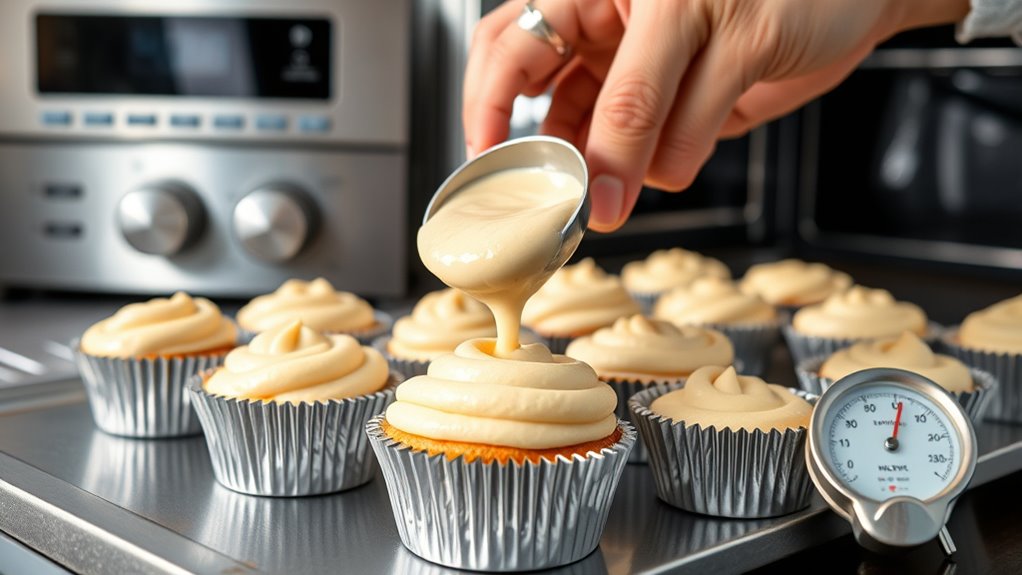
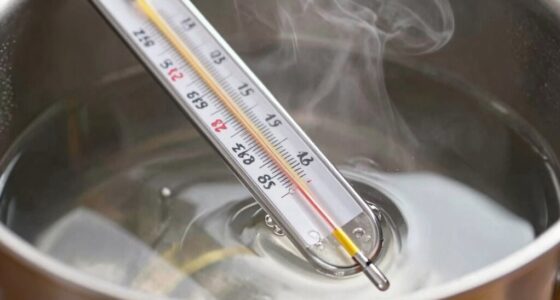
When converting a cake recipe to cupcakes, you’ll need to adjust the baking times and temperatures to make sure they turn out perfectly. Generally, reduce the oven temperature by 25°F and check for doneness earlier, around 15-20 minutes, instead of the original cake’s baking time. Keep these tips in mind:
- Use a toothpick or cake tester to determine doneness, inserting it into the center of a cupcake.
- Adjust icing techniques based on cupcake size; smaller cakes may need lighter or more delicate decorations.
- Experiment with flavor variations by baking at slightly lower temperatures to enhance subtle tastes without overbaking.
- Remember that baking times and temperatures are key factors in achieving consistent results and preventing overbaking.
- Monitoring oven temperature accuracy can further improve your cupcake outcomes, ensuring even baking and better texture.
- Using proper pan sizes helps promote even heat distribution, contributing to uniform cupcakes and consistent results.
These adjustments help prevent overbaking and ensure consistent results, making your cupcakes as delicious and visually appealing as your cakes.
How to Prepare and Fill Cupcake Liners
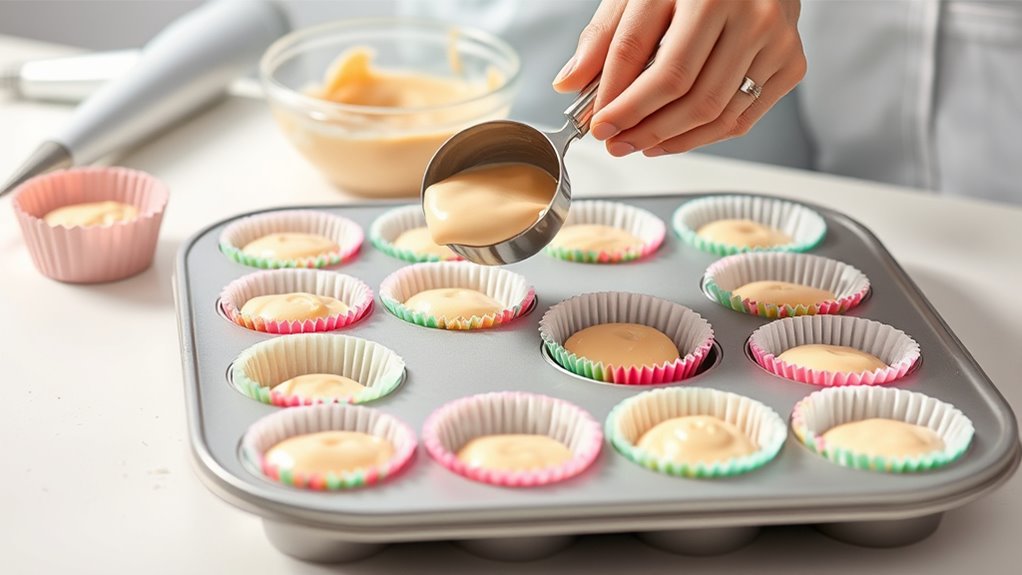
Before filling your cupcake liners, it’s important to prepare them properly to guarantee easy removal and a tidy appearance. To prevent sticking, lightly spray liners with non-stick spray or place a small amount of cupcake wrapper on each. Fill each liner about two-thirds full with your batter to allow room for rising. This uniformity helps with even baking and presentation. For added flair, choose decorative toppers that complement your flavor variations. Here’s a quick guide:
| Tip | Explanation |
|---|---|
| Use decorative toppers | Enhance appearance and customize for occasions. |
| Fill two-thirds full | Ensures even rise and prevents overflow. |
| Grease liners | Prevents sticking for easy removal. |
| Uniform filling | Promotes consistent baking and presentation. |
This approach guarantees beautiful, bakery-quality cupcakes every time.
Tips for Even Baking and Uniform Cupcakes

Achieving evenly baked cupcakes starts with proper preparation and attention to detail. To guarantee uniform cupcakes, consider these tips:
- Use an ice cream scoop or piping bag to distribute batter evenly, preventing overfilling.
- Rotate your cupcake tray halfway through baking to promote even heat distribution.
- Allow cupcakes to cool completely before applying cake decoration or frosting techniques for a smooth finish.
Additionally, placing cupcakes on a flat, insulated surface helps maintain consistent heat. When decorating, even layers of frosting create a polished look and prevent uneven weight distribution. Using a piping bag with a consistent pressure ensures smooth, professional-looking cake decoration. These steps help you bake cupcakes that are not only even in appearance but also perfect for showcasing your frosting techniques.
Troubleshooting Common Problems When Converting Recipes
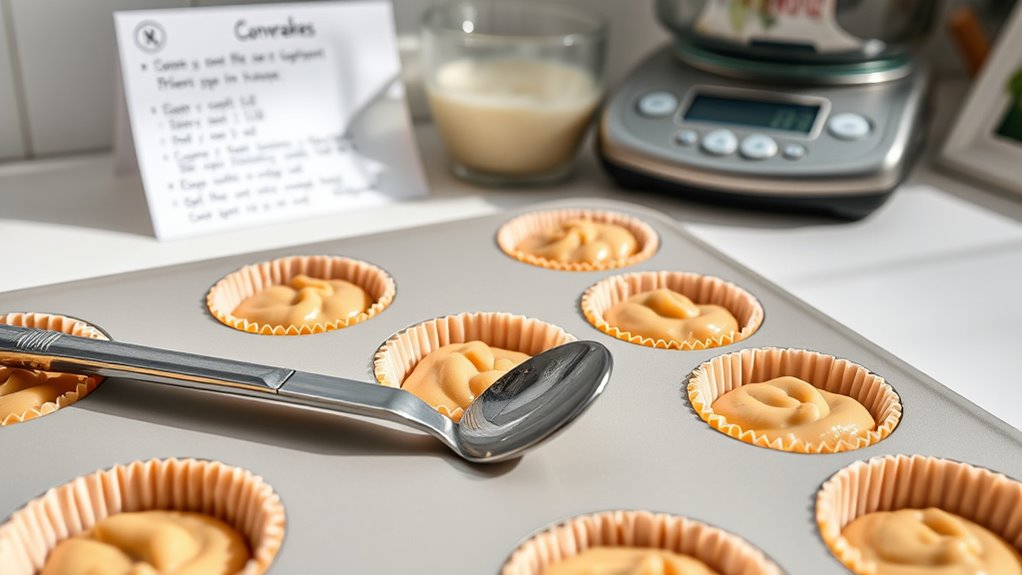
Converting a cake recipe into cupcakes can sometimes lead to unexpected issues, but most problems stem from common pitfalls. If your cupcakes turn out flat or dense, check your oven temperature and avoid overmixing the batter. When icing techniques don’t work as planned, verify your frosting is at the right consistency and that you’re applying it with proper tools. Flavor pairing is essential; mismatched flavors may result in cupcakes that taste off or lack harmony. If your cupcakes crack or rise unevenly, adjust your filling or batter proportions. Remember, minor adjustments in baking time, ingredient ratios, or icing methods can make a big difference. Troubleshooting these issues helps guarantee your cupcakes look and taste perfect, making your conversion successful every time.
Frequently Asked Questions
Can I Convert Any Cake Recipe Into Cupcakes?
Yes, you can convert most cake recipes into cupcakes. Just fill cupcake liners about two-thirds full, and adjust the baking temperature to 350°F (175°C). Keep an eye on the cupcakes as baking times are typically shorter—around 18-20 minutes. Once baked, cool and get ready for cake decorating. Remember, consistent baking temperature and proper filling help guarantee your cupcakes turn out perfectly, just like a cake.
How Do I Modify Frosting Quantities for Cupcakes?
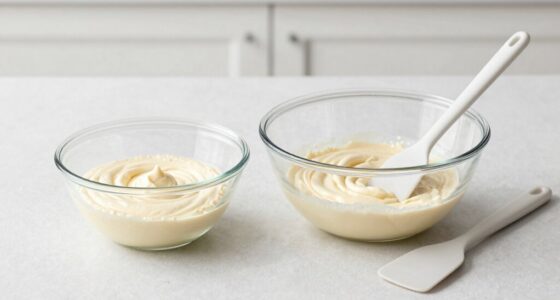
To modify frosting quantities for cupcakes, start by adjusting the recipe based on the number of cupcakes you’re making. Make sure your frosting has the right consistency—smooth but firm enough to hold shape. Use decorating techniques like piping or spreading, and if needed, add a little more powdered sugar or milk to achieve the perfect texture. This way, your cupcakes will be beautifully decorated with frosting that’s just right.
Are There Specific Flavors Better Suited for Cupcakes?
Did you know cupcakes with seasonal flavors are 30% more popular? You’ll find that classic flavor pairings like chocolate and raspberry or vanilla and lavender work beautifully. Seasonal options, such as pumpkin in fall or lemon in summer, also enhance your cupcakes’ appeal. Choose flavors that evoke the season or complement your event, making your cupcakes irresistible and memorable for everyone.
What Tools Are Essential for Cupcake Conversion?
You’ll need essential tools like a cupcake pan and paper liners to guarantee even baking and easy removal. A reliable oven thermometer helps you maintain the correct baking temperature for perfect cupcakes. For decorating techniques, invest in piping bags, tips, and spatulas to create beautiful designs. These tools make the conversion process smoother, help you achieve consistent results, and allow you to focus on decorating your cupcakes creatively and flawlessly.
How Do I Store Cupcakes to Keep Them Fresh Longer?
To keep your cupcakes fresh longer, you need to store them properly—think of it as giving them a safe harbor. Place them in airtight storage containers to prevent dryness. If they’re frosted, use frosting tips to keep the icing intact and avoid crushing. Keep cupcakes at room temperature for short-term storage, or refrigerate for up to a week. For best results, bring them to room temp before serving.
Conclusion
Converting a cake recipe into cupcakes is simple once you understand the key differences. Did you know that cupcakes bake faster than cakes, often in 15-20 minutes? By adjusting ingredients, filling liners properly, and monitoring baking times, you guarantee perfect, evenly baked cupcakes every time. With a little practice, you’ll consistently create adorable, delicious treats that impress. Embrace the process, and remember—practice makes perfect, especially since cupcakes have become a favorite dessert for over 60% of bakers worldwide!