
Cooling has a hidden but clear impact on chewiness because it causes molecules in candies to slow down and settle into more stable, firmer structures. Warm treats are softer and more flexible, while cooling makes them firmer and more brittle. This process involves crystallization and phase changes that shape the texture you experience. If you keep exploring, you’ll discover how understanding these molecular shifts lets you control and enhance treat textures perfectly.

Get baking supplies delivered free with Prime
- Fast, free delivery on millions of items
- Prime Video, Amazon Music and more included
- Member-only deals all year
Key Takeaways
- Cooling causes molecules in candies to settle into stable, firmer structures, increasing chewiness and hardness.
- Temperature reduction reduces molecular activity, transforming soft treats into more rigid, less tender textures.
- Controlled cooling influences sugar crystallization, which directly impacts the chewiness of candies.
- Warming treats temporarily softens their structure by increasing molecular flexibility, reversing cooling effects.
- Understanding phase changes and molecular interactions allows precise manipulation of chewiness through temperature control.
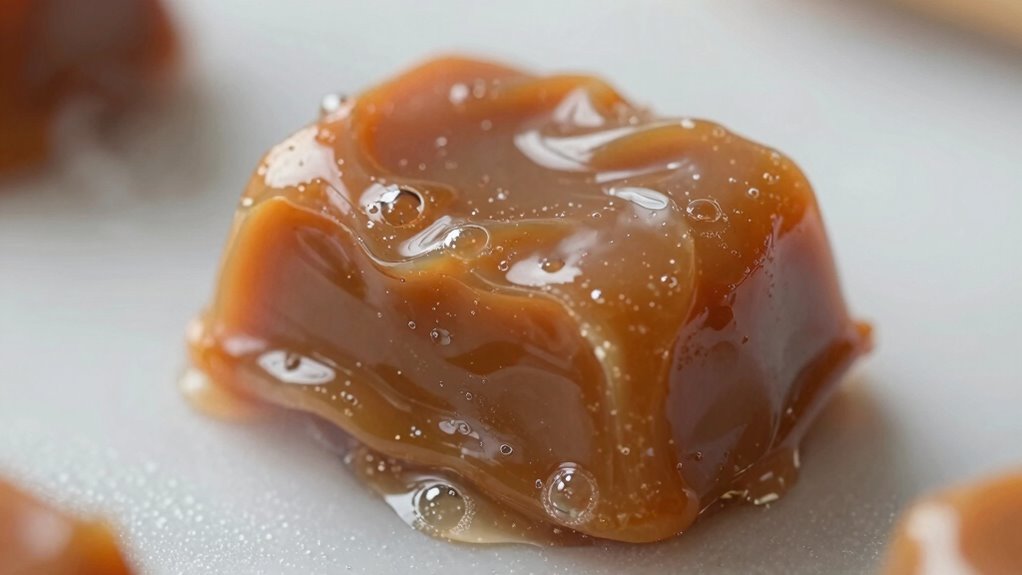
Have you ever wondered why your favorite chewy treats change texture as they cool? It’s a fascinating process rooted in the science of texture transformation and temperature effects. When you bite into something warm and soft, it might seem perfect—tender and pliable. But as it cools, these treats often become firmer or even slightly harder. That’s because the way a chewy treat responds to temperature changes directly influences its texture. When heated, the molecules within the treat are more active, making the structure more flexible and giving it that melt-in-your-mouth feel. As it cools, these molecules slow down and settle into a more stable arrangement, resulting in increased firmness and chewiness.
Warm treats are soft and flexible, but cooling makes them firmer as molecules settle into stable structures.
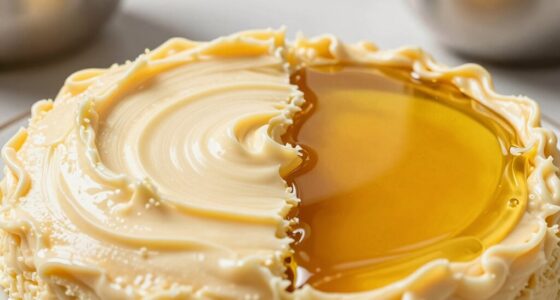
This texture transformation isn’t random; it’s a predictable outcome of how ingredients like gelatin, sugar, and fats respond to temperature effects. For instance, gelatin-based candies become more elastic when warm but turn firmer when cooled. Sugar crystallization also plays a role—hot sugar syrup remains liquid, but as it cools, crystals form, changing the consistency from syrupy to solid. Fats, which can melt at certain temperatures, influence how soft or hard a treat feels depending on whether they’re in a melted or solid state. When you understand these temperature effects, you realize that the texture of your favorite chewy snack isn’t static—it’s a dynamic quality that shifts with the environment. Recognizing how molecular activity varies with temperature can help you better predict and control the texture of your treats. Additionally, understanding the phase changes involved in these processes allows for more precise manipulation of texture during preparation.
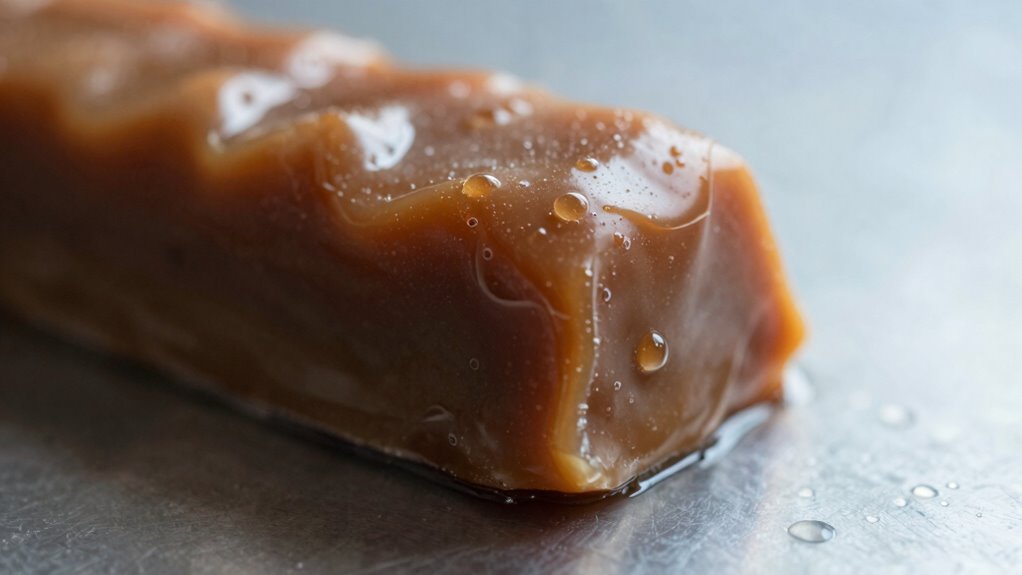
Temperature effects also explain why some candies are best enjoyed at specific temperatures. For example, chewing a warm caramel might offer a silky, smooth experience, but once cooled, it becomes more rigid and resistant to bite. That’s because the structure of the caramel’s sugar and fat components has changed, making it more solid. Conversely, warming a hard candy can temporarily soften it, making it easier to bite into, but this softness only lasts until it cools again. Additionally, understanding the crystallization process can help you manipulate the texture by controlling cooling rates. Controlling temperature also influences how quickly the molecules settle into their final arrangement, affecting the texture. Knowing this interplay helps you appreciate why certain treats are more enjoyable when served at particular temperatures. It also guides you in how to store and serve them, ensuring you get the best texture experience.
In essence, the relationship between chewiness and cooling hinges on how ingredients respond to temperature effects. As you observe and experiment with different treats, you’ll see firsthand how temperature influences texture transformation. Whether you prefer your candies warm or cooled, recognizing these scientific principles enhances your enjoyment and allows you to savor each bite just the way you like it.
Products Worth Considering

Instant Pot Vortex Plus 10-Quart 7-in-1 Air Fryer Oven

Traeger Woodridge Pro Wood Pellet Grill and Smoker, 970 sq. in., WiFIRE

Instant Pot Duo 6-Quart 7-in-1 Electric Pressure Cooker
As an affiliate, we earn on qualifying purchases.
Frequently Asked Questions
How Does Humidity Affect Chewiness and Cooling?
Humidity effects considerably influence chewiness and cooling because higher humidity can make foods retain moisture, leading to softer textures and potentially reducing chewiness. Conversely, low humidity speeds up drying, increasing chewiness but possibly causing uneven cooling. You should consider humidity levels to preserve texture and guarantee proper cooling, especially in baked goods or chewy candies. Controlling humidity helps maintain the desired chewiness and assures foods cool evenly without becoming overly dry or sticky.
Are There Specific Ingredients That Influence This Relationship?
Think of ingredients as the secrets behind chewiness and cooling. Yes, certain ingredients, like gelatin or pectin, directly influence this relationship through ingredient interactions, shaping texture and how quickly something cools. Additionally, ingredients like fats and sugars help preserve flavor during cooling, ensuring your treat stays delicious. So, choosing the right ingredients isn’t just about taste—it’s about mastering texture and freshness, making every bite a perfect harmony.
Can Cooling Methods Alter the Texture of Chewy Foods?
Cooling methods can definitely alter the texture of chewy foods. When you cool them quickly or store them properly, it helps preserve flavor and maintains the desired chewiness. Using effective packaging techniques prevents moisture loss or absorption, keeping the texture consistent. However, improper cooling or packaging can make them harder or soggy, so it’s essential to control temperature and packaging to enjoy the best flavor and perfect chewiness.
Does Temperature Change Impact Different Types of Chewy Candies?
Temperature change markedly impacts different types of chewy candies. You’ll notice that higher temperatures can cause melting or stickiness, affecting flavor retention and color stability. Conversely, cooling can firm up candies, preserving their texture and vibrant appearance. Each candy type reacts uniquely; some become softer and more flavorful when warmed, while others maintain their chewiness best when cooled. So, understanding these effects helps you enjoy candies at their ideal taste and look.
How Do Storage Conditions Affect Chewiness Over Time?
Storage conditions directly influence chewiness by affecting flavor preservation and texture stability. If you keep candies in a humid environment, they may become sticky or lose their firmness, reducing chewiness. Conversely, storing them in a cool, dry place helps maintain their desired texture and flavor over time. Proper packaging also prevents moisture loss or absorption, ensuring your candies stay chewy and flavorful longer.
Conclusion
As you’ve seen, the connection between chewiness and cooling isn’t just a coincidence; it’s a subtle dance of science and sensation. Sometimes, the best bites happen when you least expect it—cooling just enough to reveal that perfect, chewy texture. So next time you enjoy a snack, remember how these factors unexpectedly come together, turning an ordinary moment into something delightfully memorable. It’s almost like the universe knew exactly when you’d savor that perfect bite.