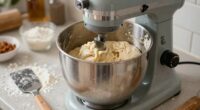
To make a baking schedule that actually works, start by listing all your baked goods and their required steps, then work backward from your event time. Gather ingredients beforehand, measure and organize them for quick access. Break tasks into manageable segments like mixing, baking, cooling, and decorating, assigning realistic time slots to each. Use timers and include buffer periods for unexpected delays. Keep this plan flexible, and you’ll stay organized and stress-free—continue above for more helpful tips on perfecting your schedule.
Key Takeaways
- List all baked items, noting their prep, baking, and cooling times, then work backward from your event time.
- Gather and measure ingredients in advance to streamline the baking process and prevent disruptions.
- Allocate specific time slots for each task, including baking, cooling, and decorating, with buffer periods for delays.
- Prioritize tasks by starting with complex or longer-prep items, and use oven time efficiently for simpler tasks.
- Use timers to stay on schedule and regularly check progress to ensure all baked goods are ready on time.
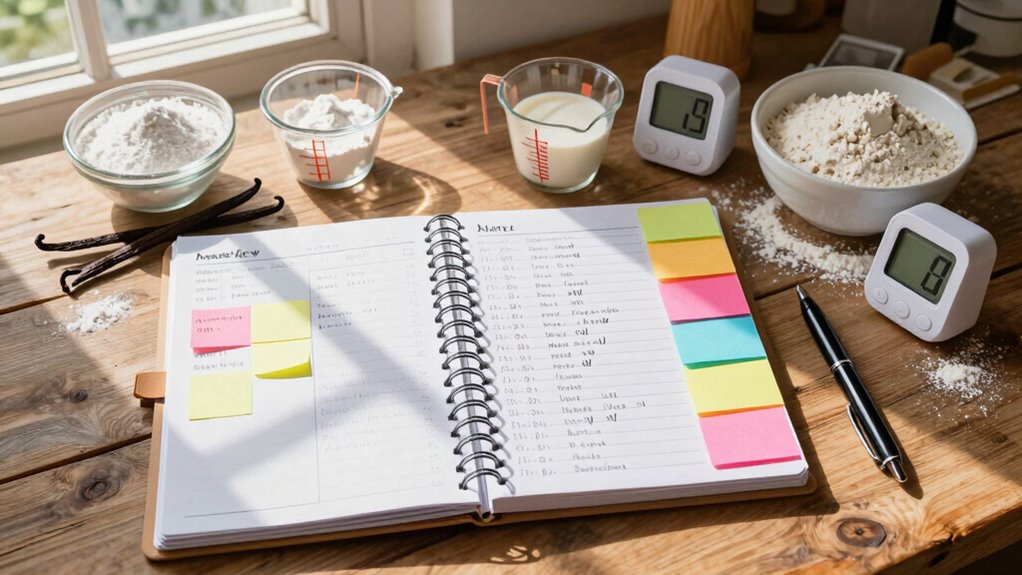
Creating a baking schedule can help you stay organized and make sure that everything is ready on time, especially when preparing for a big event or holiday. The key to a smooth baking process lies in effective planning, starting with ingredient prep and solid time management. When you map out your steps ahead of time, you avoid last-minute scrambling and reduce the risk of missing vital steps or forgetting ingredients. Incorporating practical knowledge into your planning ensures a more reliable and stress-free experience.
Begin by listing all the baked items you need to prepare, noting their baking times and any cooling or decorating steps involved. Once you have this list, work backward from the event time, making sure you allocate enough time for each task. This approach helps you identify which items need to be baked first and which can be done closer to the deadline. By organizing your schedule this way, you guarantee that everything is fresh and ready exactly when it should be.
Start by listing baked items and work backward from your event time to stay on schedule.
Ingredient prep is an essential part of your schedule. Gather all your ingredients ahead of time, measure and pre-portion what you can, and set them aside in organized containers. Doing this early on minimizes disruptions during the actual baking process. It also saves you valuable time, as you won’t have to stop and search for ingredients mid-recipe. Proper ingredient prep keeps your workflow efficient and helps you stick to your timeline without unnecessary delays.
Time management is what makes your schedule work seamlessly. Break down each baking session into specific tasks—such as mixing, baking, cooling, and decorating—and assign realistic time slots to each. Be sure to include buffer periods for unexpected delays or adjustments. Staying disciplined and sticking to these time slots prevents last-minute stress and ensures you don’t fall behind schedule. Using timers can be an effective way to keep yourself accountable.
Another tip is to prioritize tasks. If some baked goods require more complex preparation or longer baking times, start with those first. While they’re in the oven, you can focus on simpler or no-bake items. This way, you maximize your productivity and make the most of your available time. Remember, a well-structured schedule isn’t just about fixing a start time; it’s about balancing all elements, from ingredient prep to finishing touches.
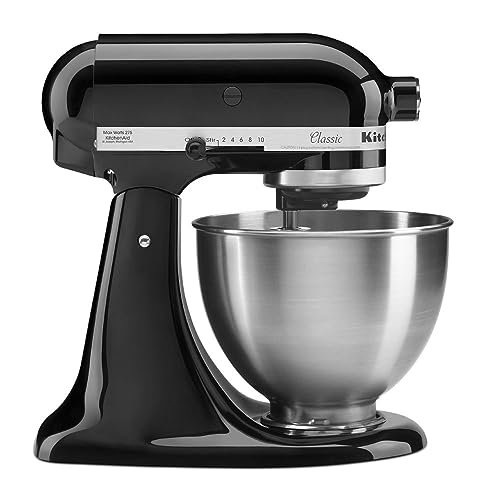
KitchenAid Classic Series 4.5 Quart Tilt-Head Stand Mixer K45SS, Onyx Black
Built to take it all on with the durable and built-to-last metal construction, and 59 touchpoints around the...
As an affiliate, we earn on qualifying purchases.
Frequently Asked Questions
How Do I Adjust My Schedule for Unexpected Baking Delays?
When unexpected delays happen, quickly adjust your schedule by adding a time buffer to your plan. Use contingency planning by identifying tasks that can be shifted or simplified without ruining your overall timeline. Communicate any changes to helpers or guests if needed, and stay flexible. This way, you keep your baking on track, reduce stress, and guarantee everything turns out delicious despite surprises.
What Tools Can Help Me Stick to My Baking Plan?
Baking journals and timer apps are your secret weapons for sticking to your plan. While journaling helps you track progress and learn from past mistakes, timer apps keep you precise and prevent overbaking. Together, they balance creativity with discipline, making your baking more consistent and enjoyable. Use these tools daily, and you’ll find your schedule becomes second nature, turning baking from chaos into a seamless, satisfying routine.
How Can I Prioritize Recipes in My Baking Schedule?
To prioritize recipes in your baking schedule, start by listing techniques for each baked good, such as rising times or special steps. Use ingredient sorting to identify what needs to be prepared first, like perishable items or those requiring longer resting periods. Focus on recipes with the earliest deadlines or the most complex steps first, ensuring you allocate time efficiently and reduce last-minute stress.
What Should I Do if I Miss a Planned Baking Session?
Missing a baking session feels like losing a part of your culinary soul! Don’t panic—quickly check your recipe substitution options to stay on track. Reschedule by adjusting your ingredient prep to fit the new day, and prioritize essential tasks first. Keep your schedule flexible and treat it like a living document, so missed sessions don’t derail your baking goals. Stay positive, adapt, and your baked goods will still shine!
How Do I Balance Baking With Other Daily Responsibilities?
To balance baking with your daily responsibilities, prioritize your tasks using effective time management. Block specific times for baking and stick to them, ensuring you allocate enough for ingredient prep beforehand. Keep your kitchen organized so you can quickly gather ingredients and reduce downtime. By planning ahead and setting realistic goals, you’ll smoothly integrate baking into your busy schedule without feeling overwhelmed or neglecting other responsibilities.

Ooni Halo Pro Spiral Mixer - Dough Stand Mixer with Attachments, 7.3 Quart Capacity and 58 Speed Settings - Charcoal Grey
Better Dough at Home - Make bakery-quality dough at home with groundbreaking spiral mixing technology used in professional...
As an affiliate, we earn on qualifying purchases.
Conclusion
By following these tips, you’ll create a baking schedule that keeps you organized and stress-free. Remember, the key is to plan ahead and stay flexible when needed. So, are you ready to conquer your baking projects with confidence? With a solid schedule in place, you’ll enjoy the process and impress everyone with your delicious creations. Happy baking—your perfect schedule is just a plan away!
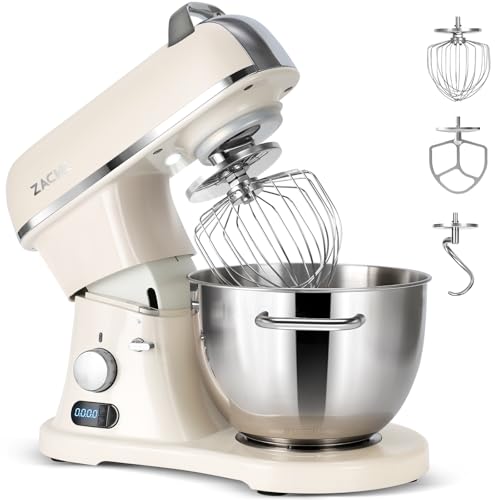
8.4QT Commercial Stand Mixer 800W with Aluminum Die Casting Meets the Standard of NSF/ANSI 8-2023, Mixers Kitchen Electric Stand Mixer with Stainless Steel 8L Bowl, Dough Hook, Whisk and Beater
High Capacity & High Efficiency: The maximum amount of dough is 3 kg/6.6 lbs/105.8 oz. Compared with other...
As an affiliate, we earn on qualifying purchases.

Honinst Stand Mixer, 6.5QT 10-Speed Tilt-Head Electric Stand Mixer, 3-In-1 Kitchen Mixer with Bowl, Dough Hook, Whisk and Beater, Food Mixer for Baking, Cake and Most Home Cooks, Beige
【Pure copper motor & 10 Speed Control】Powerful pure copper motor with multi-speed adjustment and 6.5QT bowl, access to...
As an affiliate, we earn on qualifying purchases.