Rushing fermentation tricks you into thinking faster results mean better bread, but it often causes problems. You might speed up yeast activity with higher temperatures or more yeast, which can lead to poor flavor, unwanted textures, and weak dough structure. These shortcuts prevent proper gluten development and flavor maturation, making your bread dense or uneven. If you want consistently good results, understanding why patience matters can help you avoid these common pitfalls. Keep exploring to see how to perfect your fermentation.
Key Takeaways
- Rushing fermentation creates a false sense of progress without developing proper flavor or dough strength.
- Speeding up fermentation often results in weaker gluten structure, causing poor dough elasticity and bread quality.
- Excessive heat or yeast accelerates fermentation but risks overproofing and uneven fermentation, leading to structural flaws.
- Quick fermentation shortcuts produce undesirable textures and lack the complex flavors developed through proper timing.
- Believing faster fermentation is better leads bakers to overlook essential processes, compromising overall bread quality.
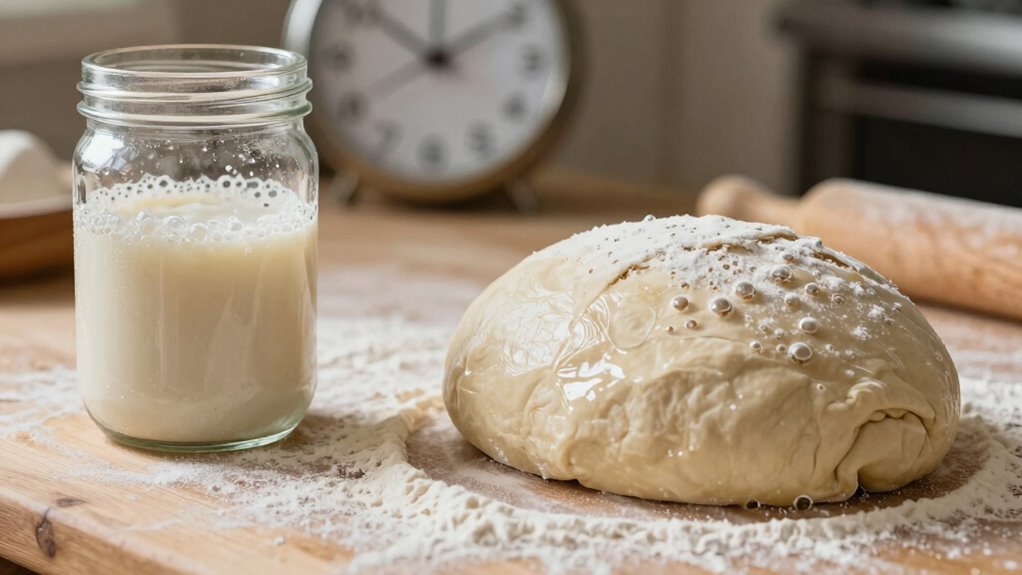
Many bakers fall into the trap of speeding up fermentation processes, believing it will save time and produce better bread. They often think that rushing through fermentation will give them the same results as a slow, natural rise. But in reality, rushing affects key aspects like yeast activity and dough elasticity, leading to less desirable outcomes. When you try to accelerate fermentation, you might see quick puffiness or larger bubbles, but those signs don’t guarantee the bread’s quality. Yeast activity becomes intensified, causing rapid gas production, yet this doesn’t necessarily translate into a well-developed flavor or proper dough structure. Instead, it can result in a dough that’s overly sticky or weak, making it harder to handle and shape. Moreover, the delicate balance of fermentation influences not just texture but also the development of complex flavors that require time to fully emerge. Proper fermentation relies on precise conditions, such as temperature and timing, to unlock the full potential of the ingredients.
Dough elasticity is another critical factor that suffers when you rush fermentation. A properly fermented dough develops a strong gluten network, which gives it the stretch and resilience needed for good oven spring and a pleasing crumb. When fermentation is hurried, the gluten doesn’t have enough time to fully develop, leading to a dough that is less elastic and more prone to tearing or collapsing during baking. This elasticity isn’t just about stretch; it’s about the dough’s ability to hold gas and retain its shape, and that’s compromised when fermentation is cut short. You might end up with a loaf that’s dense, flat, or uneven, even if it looks promising initially. Rushing fermentation can also cause uneven yeast activity, which affects the overall quality of the bread.
Trying to speed up fermentation also tempt you to increase temperature or add more yeast, thinking it will quicken the process. While higher temperatures do speed yeast activity, they also risk overproofing or creating uneven fermentation. The yeast becomes too active too quickly, producing byproducts that can negatively influence flavor and texture. Additionally, adding extra yeast may give the illusion of a faster rise, but it often results in off-flavors or overly yeasty notes, which could have been avoided with patience. Understanding the science behind fermentation can help bakers make more informed decisions about timing and conditions.
Ultimately, rushing fermentation shortchanges the delicate balance necessary for developing flavor, dough elasticity, and structure. Instead of seeking shortcuts, it’s better to respect the natural timing that allows yeast activity to progress gradually. This patience results in a more flavorful, resilient, and well-structured loaf. Recognizing the importance of proper fermentation helps bakers achieve consistent, high-quality results that cannot be rushed. Remember, good bread isn’t just about speed; it’s about understanding and nurturing the fermentation process to achieve the best possible result.

Kook Banneton Bread Proofing Baskets, Artisan Sourdough Bread Making Baskets, 9 Inch Handwoven Rattan Baskets and Cloth Liners, Set of 2, Round
Homemade Bread: Proof your dough like a pro! These baskets and liners are perfect for rising perfectly shaped,…
As an affiliate, we earn on qualifying purchases.
As an affiliate, we earn on qualifying purchases.
Frequently Asked Questions
How Does Temperature Affect Fermentation Speed?
Temperature directly impacts yeast activity during fermentation. When you keep the temperature higher, yeast becomes more active, speeding up fermentation. Conversely, cooler temperatures slow yeast activity, delaying the process. Proper temperature regulation is essential; too high can lead to overfermentation, affecting flavor and dough structure. Maintaining a consistent, ideal temperature ensures steady fermentation, helping you avoid rushed baking decisions and achieve better, more reliable results.
Can Rapid Fermentation Compromise Bread Flavor?
Rapid fermentation can definitely compromise bread flavor. When fermentation happens too quickly, it reduces flavor complexity because the yeast doesn’t have enough time to develop nuanced taste profiles. Additionally, it can lead to inconsistent fermentation, making it harder to achieve consistent results. You might end up with a bread that’s bland or overly yeasty, lacking the depth that slow, controlled fermentation provides. Patience really pays off for better flavor and consistency.
What Are Common Signs of Over-Fermentation?
Imagine you’re baking and notice your dough has a sour smell and bubbles on the surface—that’s a sign of over-fermentation. Common signs include a sticky texture, decreased dough elasticity, and a strong alcohol aroma. Excessive yeast activity causes the dough to become overly slack, losing its structure. These indicators mean your dough has fermented too long, which can lead to a dense crumb and poor oven spring.
How Can I Control Fermentation Timing Accurately?
To control fermentation timing accurately, trust your senses over fermentation myths. Keep an eye on dough elasticity; it signals proper fermentation. Use a consistent environment with temperature controls, as warmth speeds up fermentation. Measure dough size regularly, and avoid rushing the process. Sticking to these practices helps you prevent over- or under-fermentation, ensuring your bread develops the flavor and texture you desire.
Does Faster Fermentation Weaken Dough Structure?
Faster fermentation can weaken your dough’s structure like a house built on shifting sands. When yeast activity speeds up, it produces gases quickly, but this often interferes with proper gluten development. Without enough gluten, your dough won’t hold its shape or rise well. To keep your dough strong, control fermentation timing carefully, allowing enzymes to develop gluten gradually, ensuring a resilient, airy crumb that’s perfect every time.
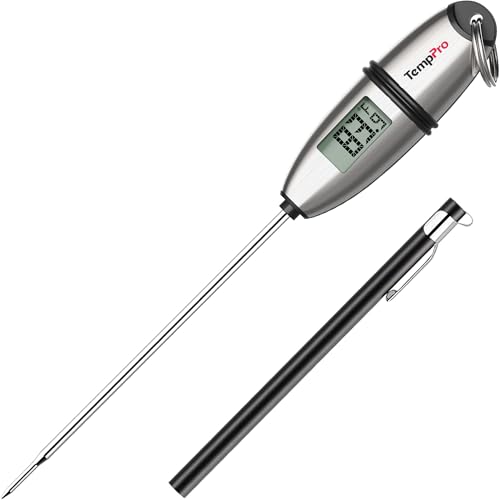
TempPro TP02S Digital Food Thermometer for Cooking Bread Baking Sourdough Liquids, Meat Thermometer Digital with Super Long Probe for Kitchen BBQ Yogurt Candy Making Accessory (Previously ThermoPro)
Fast and Accurate Reading: Kitchen thermometer for cooking features a 1 to 3 second readout speed and high…
As an affiliate, we earn on qualifying purchases.
As an affiliate, we earn on qualifying purchases.
Conclusion
Remember, rushing fermentation is like trying to force a bloom before its time—you risk spoiling the beauty of your craft. Patience lets the dough’s true character emerge, much like a seed unfolding into a vibrant blossom. Don’t let the siren call of speed overshadow the artistry hidden within slow, deliberate fermentation. Trust in the process; it’s the quiet gardener that cultivates the most exquisite loaves, revealing their depth only when given the time they deserve.

SURDOCA Dough Scraper Bench Scraper – 3P 4.7×3.7" Plastic Flexible Bowl Scraper, Sharp Edge & Angles Cake Scraper. Non-Slip Bakeware Decorating Tools Sculpting & Modeling Tools – Green+White+Green
👩🍳👩🍳👩🍳PERFECT WORK WITH VARIOUS KNEADING BOWLS — Instead of traditional rigid PP plastic, These flexible dough scrapers are…
As an affiliate, we earn on qualifying purchases.
As an affiliate, we earn on qualifying purchases.

Mozeat Lens Proofing Cloth for Bread Baking 2PCS 17×29 Inches Linen Cloth Reusable Bread Proofing Cloth Thick Baking Bread Cloth for Rolling Dough, Baguettes, Loaves, Pastry, Homemade Bread
Quality Linen Cloth: Crafted from linen cloth, our bread cloth offers durability while providing a soft and luxurious…
As an affiliate, we earn on qualifying purchases.
As an affiliate, we earn on qualifying purchases.