To prevent rust and odors in your springform pan, use proper materials like aluminum or stainless steel and follow care tips. Wash gently with warm water and mild soap, dry thoroughly after each use, and store in a dry, well-ventilated area. Regularly remove odors with baking soda or vinegar and check for rust or damage. Keeping up with maintenance guarantees your pan stays in top shape—discover more tips to extend its lifespan.

Get baking supplies delivered free with Prime
- Fast, free delivery on millions of items
- Prime Video, Amazon Music and more included
- Member-only deals all year
Key Takeaways
- Wash with warm water and mild soap, avoiding abrasive scrubbers to protect coatings and prevent rust formation.
- Thoroughly dry the pan immediately after cleaning, using soft towels or air drying to eliminate moisture.
- Store in a dry, well-ventilated area, keeping removable parts separate to prevent rust and odors.
- Use baking soda or vinegar solutions to neutralize persistent odors and remove stains effectively.
- Regularly inspect hinges, latches, and seams for rust or residue, cleaning and maintaining them to ensure longevity.
As an affiliate, we earn on qualifying purchases.
What Materials Are Best for Your Springform Pan and How to Care for Them
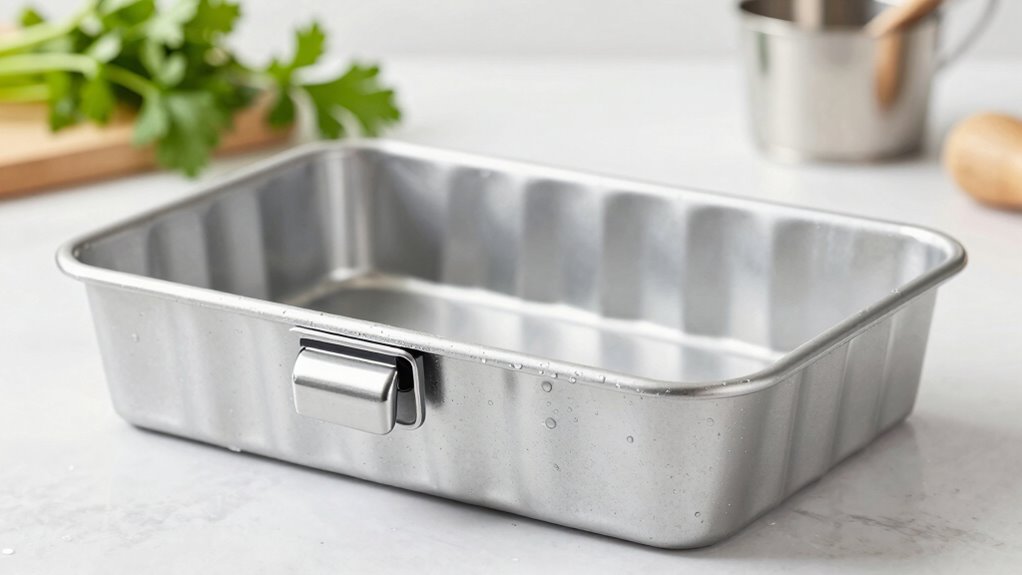
When choosing a springform pan, selecting the right material is essential for both performance and longevity. Metal alloys like aluminum or stainless steel are popular because they offer durability and even heat distribution. Aluminum pans with non-stick coatings make baking and cleaning easier, as food releases smoothly without sticking. However, it’s important to avoid scratches or damage to the non-stick surface, which can reduce its effectiveness. Stainless steel pans are often more resistant to corrosion and can withstand higher temperatures, but they may require more careful handling to prevent staining. Whichever material you choose, follow the manufacturer’s care instructions to prolong your pan’s lifespan. Proper maintenance guarantees your springform pan stays in top condition, whether it’s coated with non-stick layers or crafted from durable metal alloys. Additionally, choosing European-made cookware can ensure higher quality standards and environmentally friendly manufacturing practices, supporting sustainable and secure kitchen solutions. Regularly inspecting your pan for signs of wear or damage helps maintain its performance over time, especially when using non-stick coatings that can deteriorate if not properly cared for. Using appropriate cleaning tools can also help prevent damage and extend the life of your cookware. Incorporating gentle cleaning methods can further safeguard your pan’s surface and overall integrity.
non-stick springform pan with removable sides
As an affiliate, we earn on qualifying purchases.
As an affiliate, we earn on qualifying purchases.
How to Clean Your Springform Pan to Prevent Rust and Odors
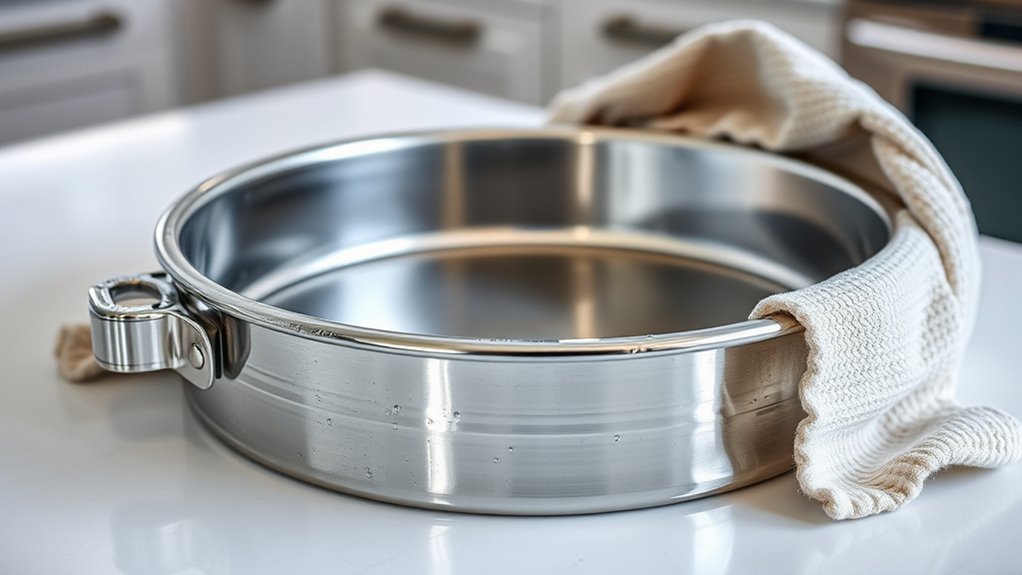
Keeping your springform pan clean is essential for preventing rust and odors that can affect future baking. To do this, wash the pan gently with warm water and mild dish soap, avoiding abrasive scrubbers that can damage non-stick coatings. If your pan has a non-stick coating, use a soft sponge to clean it without scratching. For metal alloys, dry the pan thoroughly immediately after washing to prevent moisture from causing rust. Pay special attention to seams and hinges, which can trap residue. Avoid soaking the pan for long periods, as prolonged exposure to water can deteriorate coatings and metal alloys. Regular cleaning not only preserves the integrity of your pan but also keeps odors at bay, ensuring your bakeware remains in top condition. Additionally, implementing proper ventilation during storage can help reduce moisture buildup and prevent rust formation. Incorporating a proper storage environment by keeping the pan in a dry, well-ventilated area can further extend its lifespan. Practicing material maintenance and understanding material properties can help you avoid common issues like rust and odors in your springform pan. Being aware of the metal alloy composition of your pan can also guide appropriate cleaning and care routines.
As an affiliate, we earn on qualifying purchases.
How to Properly Dry and Store Your Pan for Long-Term Care
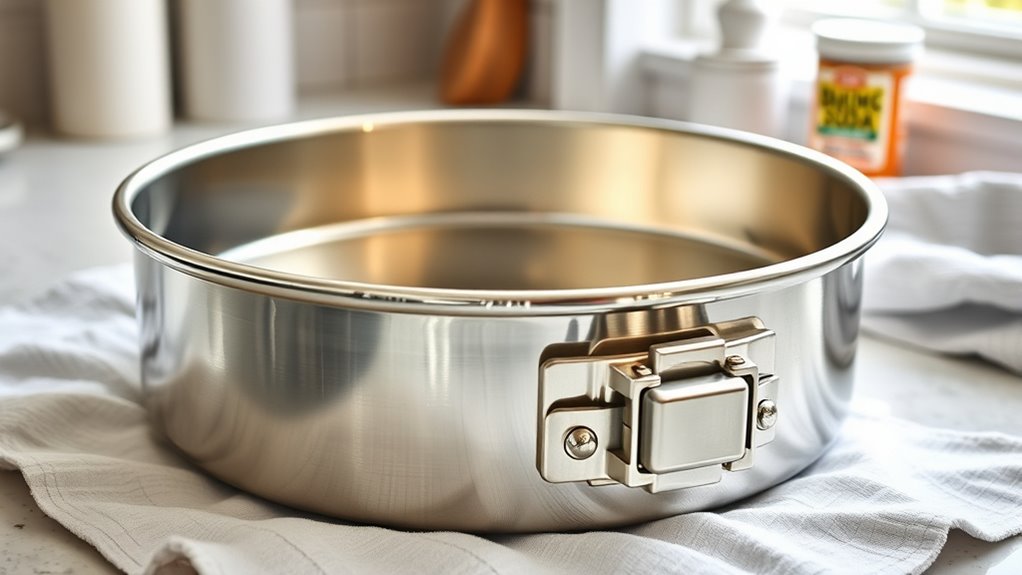
After cleaning your springform pan, it’s essential to dry it thoroughly to prevent rust and mold. Use drying techniques like wiping with a soft towel or air drying upside down to make sure all moisture escapes. Proper pan storage involves placing the pan in a dry, well-ventilated area away from humidity. Avoid stacking heavy objects on top, which could deform the pan’s structure. If your pan has a removable base, separate it during storage to allow better air circulation. Store your springform pan in a cool, dry place, and consider using silica gel packets or moisture absorbers to keep humidity low. Regular inspection for signs of rust prevention can help catch issues early and ensure longevity. Ensuring your pan is completely dry after each use can prevent corrosion and extend its lifespan, especially in humid environments. Additionally, storing the pan correctly can help maintain its non-stick qualities over time. Proper drying and storage will prolong your pan’s lifespan, preventing rust and maintaining its non-stick qualities for future baking. A well-maintained pan will also be more resistant to odor retention, keeping your baked goods tasting fresh.
baking soda for pan odor removal
As an affiliate, we earn on qualifying purchases.
As an affiliate, we earn on qualifying purchases.
How to Remove Stubborn Odors and Stains From Your Pan
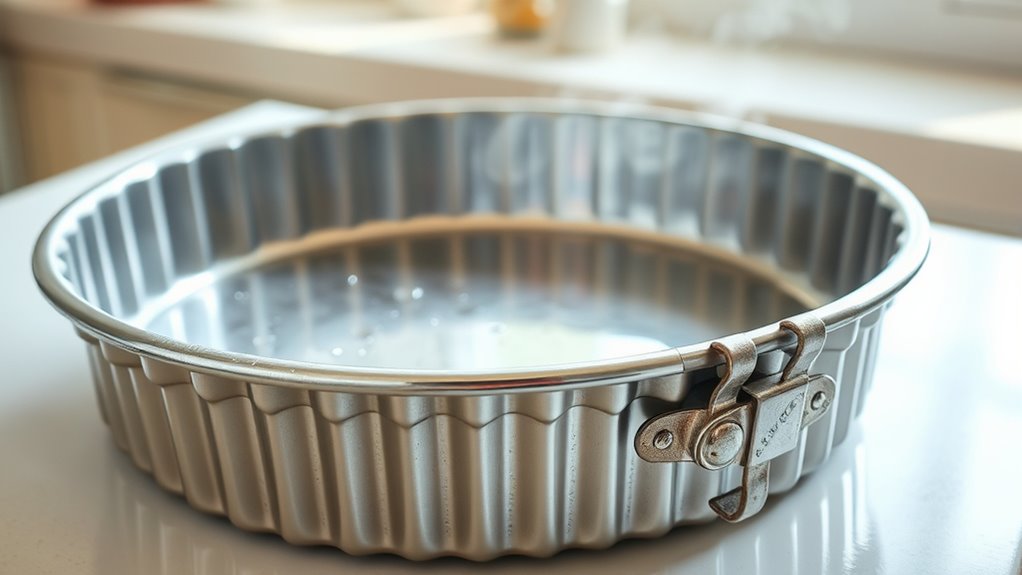
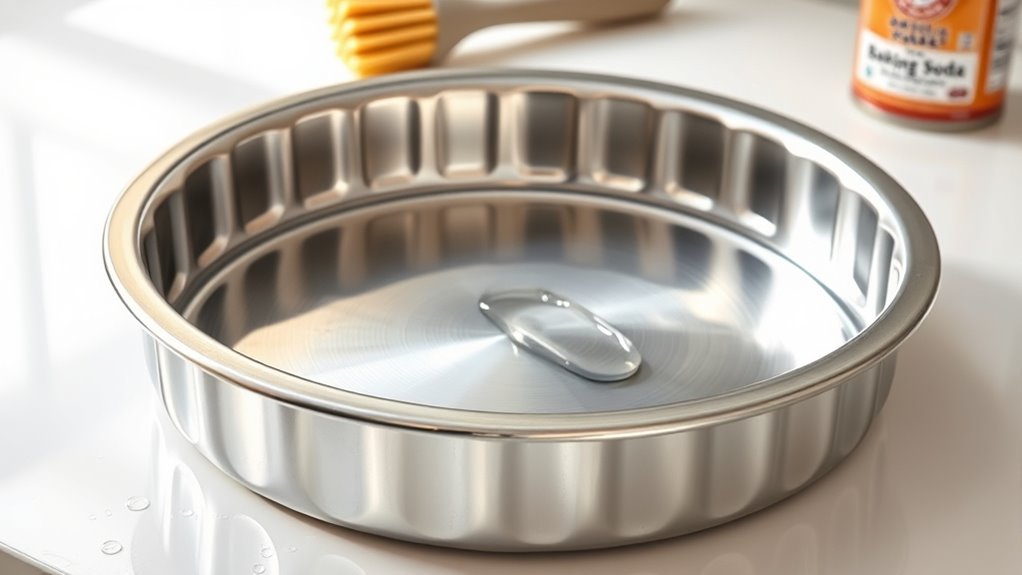
Stubborn odors and stains can linger in your springform pan despite thorough cleaning, but you can effectively eliminate them with targeted methods. First, try baking tips like placing a mixture of baking soda and water inside the pan, then letting it sit overnight. Second, use odor removal techniques such as wiping the pan with a mixture of vinegar and lemon juice to neutralize persistent smells. Finally, for stubborn stains, scrub gently with a non-abrasive sponge dipped in a paste of baking soda and water. Additionally, using specialized cleaning products designed for bakeware can help maintain the pan’s surface and prevent future buildup. These simple steps help refresh your pan without damaging the surface. Incorporate these cleaning strategies into your routine to maintain a fresh, odor-free springform pan, ensuring it’s always ready for your next baking adventure. Regular maintenance can also extend the lifespan of your pan by preventing rust and odors from developing over time.
How to Maintain and Troubleshoot Your Springform Pan to Extend Its Life
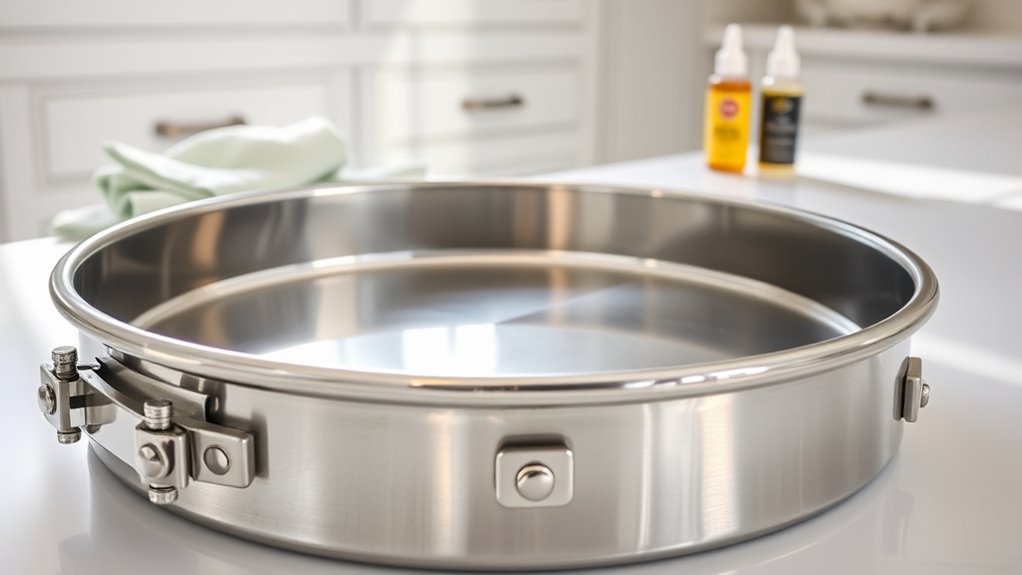
To extend the life of your springform pan, regular maintenance and prompt troubleshooting are essential. Check the springform compatibility to ensure the latch functions smoothly and seals properly, preventing leaks or damage. Regularly inspect the gasket and latch for signs of wear or rust, and clean these components thoroughly after each use. If the latch becomes loose or damaged, consider pan replacement tips such as tightening the screws or replacing the entire latch assembly. Avoid using abrasive cleaners that can scratch or corrode the metal. If you notice persistent rust or odors despite proper care, it might be time for a new pan. Proper maintenance not only prolongs your pan’s lifespan but also ensures consistent, safe baking results. Maintaining your bakeware can help prevent issues before they arise and extend the usefulness of your springform pan. Additionally, understanding smart home technology features such as automated alerts for cleaning or maintenance reminders can assist in keeping your bakeware in top condition. Regularly applying rust-preventive coatings can also provide an extra layer of protection against corrosion. Incorporating preventive measures into your routine can significantly reduce the likelihood of rust and odors developing over time.
Frequently Asked Questions
Can I Use Metal Utensils on My Springform Pan Without Damage?
You can use metal utensils on your springform pan, but it’s not recommended because metal utensil safety is a concern. Metal tools can cause scratches on the non-stick surface, which might lead to damage over time. To keep your pan in good shape, opt for silicone or wooden utensils. This prevents springform pan scratches and extends its lifespan, ensuring your baking remains smooth and enjoyable.
Are There Eco-Friendly Cleaning Alternatives for Springform Pans?
Yes, you can use eco-friendly cleaning alternatives for your springform pan. Opt for biodegradable cleansers that are gentle yet effective, and try natural scrubbing agents like baking soda or coarse salt. These options help you clean thoroughly without harsh chemicals, protecting your pan and the environment. Just avoid abrasive sponges that might scratch the surface, and always rinse well to keep your pan in great shape.
How Often Should I Replace My Springform Pan?
You should replace your springform pan when it shows significant signs of wear, such as rust, warping, or cracks, which compromise its pan lifespan and safety. Typically, the replacement frequency depends on usage, but if you bake often, consider replacing it every 3-5 years. Regular inspection helps guarantee your pan remains functional and safe, preventing any contamination or baking issues.
Is It Safe to Store Springform Pans With Other Kitchenware?
Yes, it’s safe to store your springform pans with other kitchenware, but focus on storage safety and kitchen organization. Make sure they’re completely dry to prevent rust, and avoid stacking heavy items on top to prevent dents or damage. Use cabinet or drawer organizers to keep them separate from sharper or heavier tools. Proper organization and dry storage help extend your pan’s lifespan and keep everything in good condition.
Can I Bake With Non-Stick Springform Pans at High Temperatures?
Yes, you can bake with non-stick springform pans at high temperatures, but you should verify the manufacturer’s guidelines first. Most non-stick pans are designed for high-temperature baking, but excessive heat can affect the non-stick durability over time. To guarantee longevity, avoid exposing the pan to temperatures beyond the recommended limit, typically around 450°F, and always handle it carefully to maintain its non-stick coating and prevent damage.
Conclusion
Taking good care of your springform pan guarantees it stays rust-free and odorless for years to come. Regular cleaning, proper drying, and careful storage are key. Remember, a stitch in time saves nine—address issues early to prevent bigger problems later. With a little effort, your pan will serve you well, helping you create delicious baked goods whenever you need them. Treat it well, and it’ll reward you with reliable performance every time.
Halloween Picks
halloween
As an affiliate, we earn on qualifying purchases.