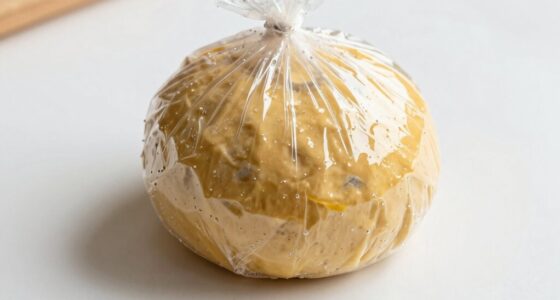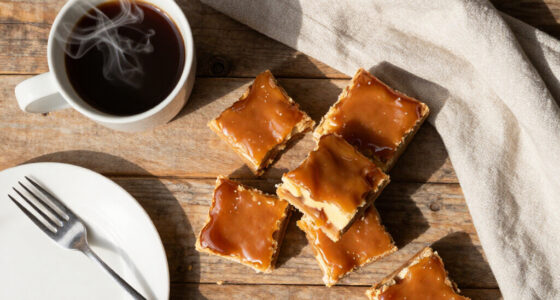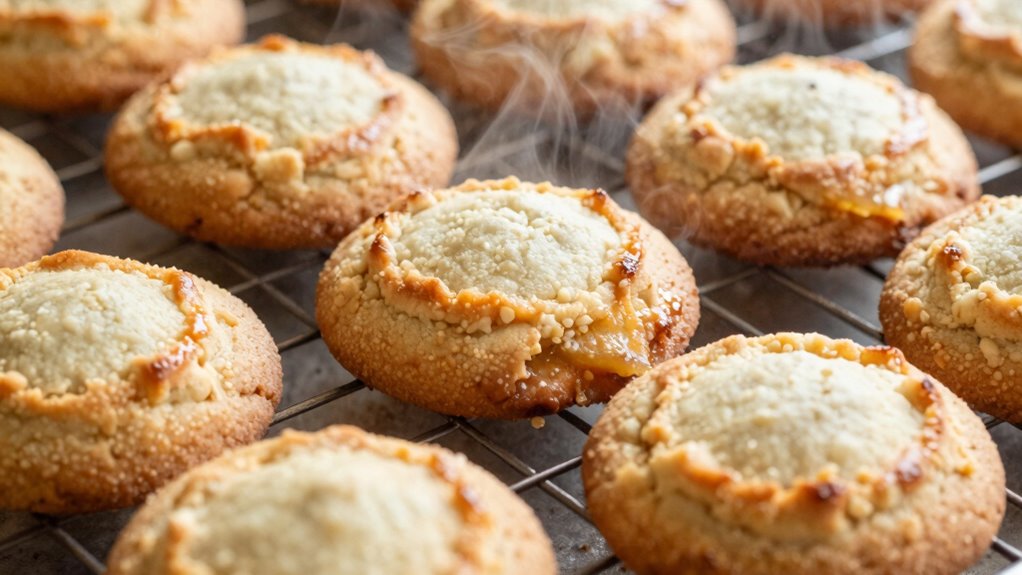

To tell if your cookies will set, look for lightly golden edges and slight firmness in the centers when gently pressed. Shake the baking sheet—if the edges are firm and the centers hold shape, they’re close to done. Cookies often look soft but will firm up as they cool. Keep an eye on texture and appearance, and if you want to master perfect baking, there’s more to discover on how to avoid underbaking.

Get baking supplies delivered free with Prime
- Fast, free delivery on millions of items
- Prime Video, Amazon Music and more included
- Member-only deals all year
Key Takeaways
- Edges should be light golden brown and slightly firm to the touch.
- Gently shake the baking sheet; centers should hold shape and not jiggle excessively.
- Top of the cookie should spring back when pressed lightly.
- Cookies may look soft but will firm up as they cool.
- Slightly underbaked cookies will set during cooling and feel firm but not hard.
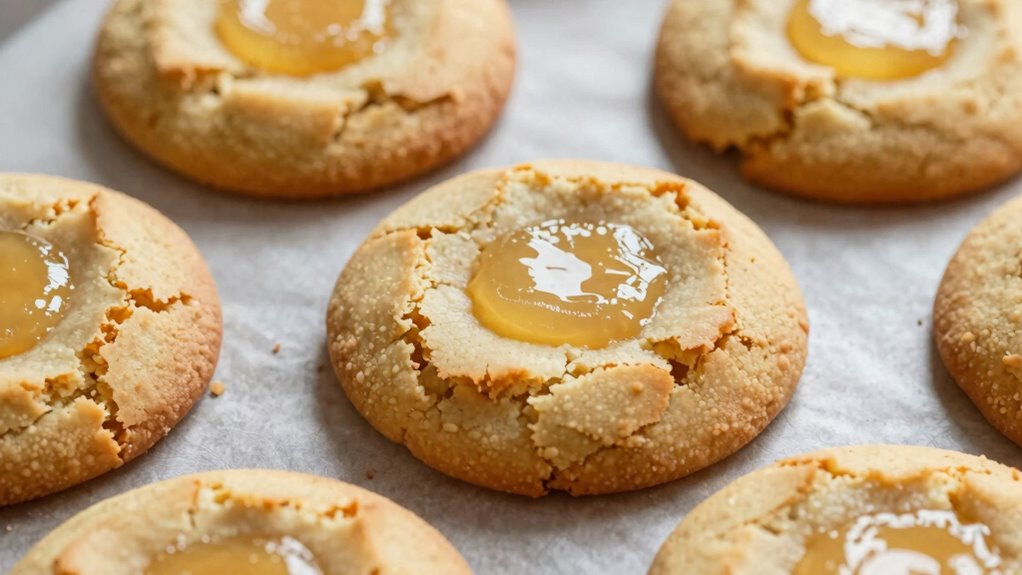
Underbaked cookies happen when the baking time falls short, leaving the centers soft, gooey, or even doughy. When you pull cookies out of the oven too early, you might notice that their cookie texture isn’t quite what you expected—soft and undercooked instead of firm and crumbly. The key to avoiding this is understanding how baking time influences the cookie’s consistency and how to tell if they’re truly set.
Baking time plays a vital role in achieving the right cookie texture. If you cut the baking time too short, the heat doesn’t have enough opportunity to fully cook the interior, leaving the middle underdone. Conversely, overbaking leads to dry, hard cookies. It’s a delicate balance, but paying attention to the baking duration helps you get it just right. Typically, recipes specify an approximate baking time, but oven differences mean you should also rely on visual cues and texture.
To know if your cookies are set, look at the edges first—they should turn a light golden brown. When you gently shake the baking sheet, the centers should appear firm and hold their shape, though they may still look slightly soft. Remember, cookies often continue to cook a bit after coming out of the oven due to residual heat, so if they look a little underdone but the edges are golden, they’ll often set as they cool.
You can also gently press the top of a cookie with your finger; if it springs back, it’s likely baked through. If it leaves an indent or feels very soft, it needs more time. The cookie texture is a good indicator: underbaked cookies tend to be overly soft, almost wet, in the center, whereas properly baked ones have a slight firmness that holds when cooled. Keep in mind that factors like cookie thickness, size, and your oven’s accuracy can affect baking time.
To prevent underbaking, set a timer slightly before the recommended baking time and check on your cookies regularly. Use your senses—look for golden edges, gently shake the sheet to assess firmness, and feel the tops to gauge doneness. When in doubt, it’s better to remove slightly underbaked cookies—they’ll firm up during cooling—and you can always put them back in for another minute if needed. Mastering baking time and understanding cookie texture helps you consistently produce cookies that are perfectly set, not underbaked or overdone.
Being aware of oven calibration and how baking time impacts the final result can make a big difference in achieving the perfect cookie.
As an affiliate, we earn on qualifying purchases.
Frequently Asked Questions
Can Underbaked Cookies Be Reheated Safely?
Yes, you can reheat underbaked cookies safely. Use gentle reheating methods like a low-temperature oven or microwave in short bursts to avoid burning or over-drying. Safety considerations include ensuring the cookies are heated evenly and not left out at room temperature for too long, which can promote bacteria growth. Always check that they’re warmed through and have reached a safe temperature before enjoying them again.
How Long Should I Let Cookies Cool Before Checking Doneness?
Think of cookie cooling like a sunrise—patience reveals the full view. You should let your cookies cool on the baking sheet for about 5 minutes, then transfer them to a wire rack. Doneness timing is essential; check them after this initial cooling. Waiting until they’re slightly firm ensures they’ve set properly, preventing underbaked centers. Rushing the process can lead to gooey cookies that need more baking.
Do Different Cookie Recipes Require Different Baking Times?
Yes, different cookie recipes require different baking times depending on baking temperature and ingredient variations. You should always follow the recipe’s recommended baking temperature and time, but keep in mind that ingredient changes, like adding nuts or using whole wheat flour, can affect how quickly cookies set. To avoid underbaking, check for visual cues and use a timer, then let cookies cool slightly before deciding if they’re done.
Can Underbaked Cookies Be Stored for Later Consumption?
If your cookies are underbaked, you can store them for later, but their shelf life might be shorter. For example, you bake a batch and realize they’re too soft; you can store these cookies in an airtight container for a day or two. Just keep in mind that underbaked cookies may become stale faster. Proper cookie storage helps maintain freshness, but their shelf life will likely be limited compared to fully baked cookies.
What Indicators Besides Texture Tell if Cookies Are Underbaked?
You can tell your cookies are underbaked if they haven’t developed a golden color and still look pale. Check for a moisture sheen on the surface; if it appears glossy, they’re likely still soft inside. Also, if the edges aren’t firm or slightly browned, it indicates they’re not fully baked. These signs help you judge whether your cookies need more time in the oven before they’re perfectly set.
digital kitchen timer for baking
As an affiliate, we earn on qualifying purchases.
As an affiliate, we earn on qualifying purchases.
Conclusion
Remember, underbaked cookies are like unfinished stories—you need a little patience to see the full picture. I once pulled a batch from the oven, slightly soft in the middle, and almost tossed them out. But I waited a few minutes, and they set perfectly. Just like those cookies, if you give your baked goods a moment to settle, you’ll end up with a delicious, satisfying treat. Trust the process—good things come to those who wait.
As an affiliate, we earn on qualifying purchases.
As an affiliate, we earn on qualifying purchases.
Halloween Picks
halloween
As an affiliate, we earn on qualifying purchases.