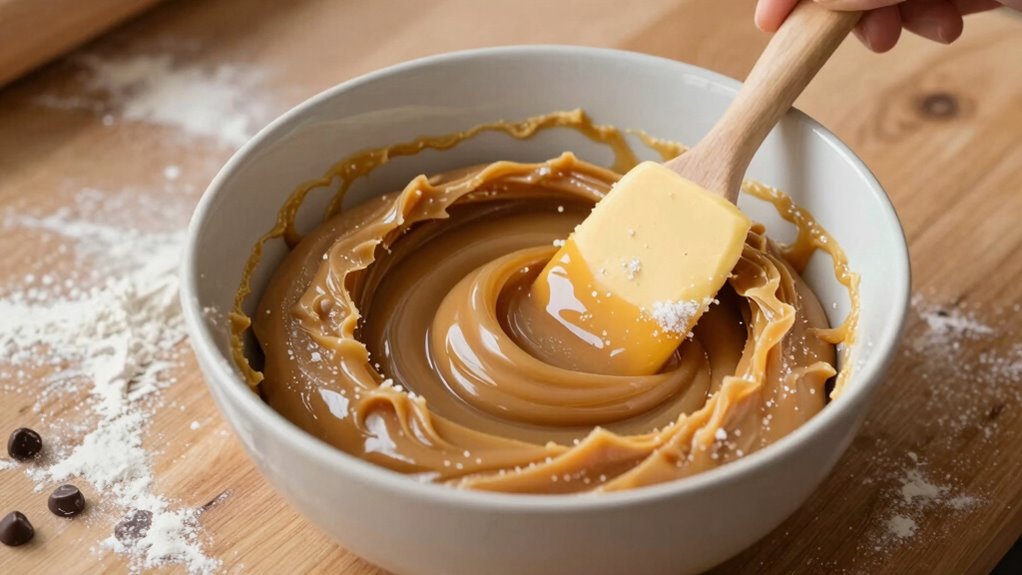

If your cookie dough is too sticky, try chilling it for 15-30 minutes to firm up the fats and reduce stickiness. You can also sprinkle a small amount of cornstarch or dry ingredients like almond flour to absorb excess moisture without over-flouring. Use a lightly floured spatula or your hands to handle the dough gently, and avoid overworking it. For more tips on fixing sticky dough without adding more flour, keep going.
Key Takeaways
- Chill the dough for 15-30 minutes to firm fats and reduce stickiness.
- Incorporate small amounts of cornstarch or dry ingredients to absorb excess moisture.
- Gently fold in more butter or shortening to improve elasticity without adding flour.
- Use a lightly floured or powdered sugar-dusted surface and spatula to prevent sticking.
- Handle dough minimally and avoid overworking, which can increase stickiness and toughness.
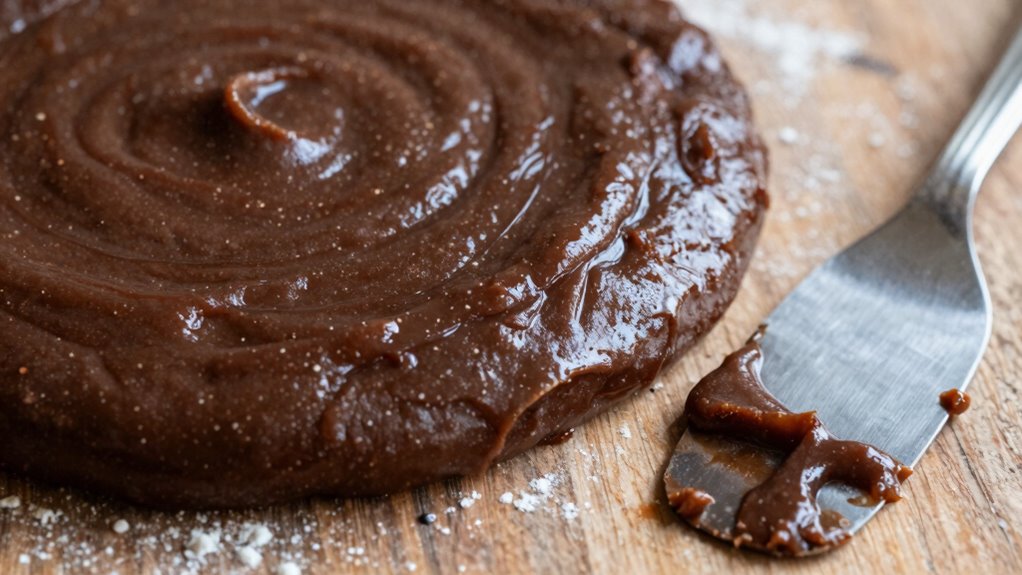
If your cookie dough has turned sticky and difficult to work with, don’t worry—there’s a simple fix. Sometimes, despite following your favorite recipes, the dough just doesn’t cooperate. Instead of reaching for more flour, which can make cookies dry and tough, you can use smart baking techniques and ingredient substitutions to restore the dough’s ideal consistency. The key is understanding how to balance moisture and structure without overdoing it.
If dough is sticky, try chilling, adding cornstarch, or adjusting fats for perfect cookies.
First, consider the environment where you’re working. Warm kitchens or humid weather can cause dough to become stickier than usual. Chilling the dough for 15-30 minutes can do wonders, as it firms up the fats and makes the dough easier to handle. If you’re pressed for time, try incorporating ingredient substitutions that help absorb excess moisture. For example, adding a small amount of cornstarch can stabilize the dough without compromising texture. Cornstarch acts as a dry binder, helping to absorb moisture and enhance the dough’s structure without making it dry or crumbly.
Another effective baking technique involves adjusting the fat content. If the dough is too sticky, you might try gently folding in a little more butter or shortening, especially if your recipe allows for it. This can help improve the dough’s elasticity, making it easier to work with. On the flip side, if you need a drier consistency, consider replacing part of the liquid ingredients—such as milk or eggs—with dry ingredients like powdered milk or additional flour, but use these substitutions sparingly. The goal isn’t to add more flour but to subtly balance the moisture level.
You can also manipulate the ingredients by choosing certain substitutions that influence dough texture. For example, swapping out some of the sugar for brown sugar can introduce moisture-retaining properties, helping to manage stickiness. Likewise, using almond flour or oat flour as partial substitutes can alter the dough’s texture and moisture absorption, giving you more control over stickiness without sacrificing flavor or quality.
Finally, remember that the technique of handling the dough matters. Use a silicone spatula or your hands dusted lightly with flour or powdered sugar to avoid sticking and to knead the dough gently. Overworking the dough can activate gluten and make it tougher, so work it just enough to bring it together. Additionally, understanding the properties of home baking ingredients can help you choose the right adjustments for your dough. These small adjustments in baking techniques and ingredient substitutions can save your batch from being a sticky mess and help you produce perfect cookies every time.
Frequently Asked Questions
Can I Freeze Sticky Cookie Dough for Later Use?
Yes, you can freeze sticky cookie dough for later use. Just wrap the dough tightly in plastic wrap or place it in an airtight container, following proper dough storage techniques. Using freezing tips like dividing the dough into portions makes it easier to thaw only what you need. When ready, thaw the dough in the fridge or at room temperature, and you’ll find it just as easy to work with as fresh dough.
Will Adding Water Help Reduce Dough Stickiness?
Did you know that proper dough hydration improves baking results? Adding water can help reduce dough stickiness, but do so carefully. When you add water, incorporate it gradually to prevent over-hydrating the dough, which can affect texture. Small amounts of water can make sticky dough easier to handle without altering flavor. Just remember, less is more—start with a teaspoon and adjust as needed for the perfect consistency.
Is It Safe to Microwave Cookie Dough to Soften It?
Microwaving cookie dough to soften it is generally safe if you follow microwave safety guidelines. Use short, low-power bursts to avoid overheating, which can cause uneven heating or partially cook the dough. Keep in mind, microwaving can sterilize the dough, but it might alter texture or flavor. Always stir well and check temperature to prevent any hot spots, ensuring safe dough handling without compromising its quality.
How Does Humidity Affect My Cookie Dough’s Stickiness?
Like a ship in a storm, your dough faces humidity impact that can make it overly sticky. When humidity rises, your dough absorbs moisture from the air, increasing its stickiness. To combat this, keep your dough covered and work in a cool, dry space. Proper storage prevents excessive moisture absorption, so your dough remains manageable. Adjust your techniques based on weather, and your cookies will turn out perfectly every time.
Can Using a Non-Stick Baking Mat Prevent Dough From Sticking?
Yes, using baking mats with non-stick surfaces can prevent your cookie dough from sticking. These mats create a smooth, non-porous barrier that makes removal easy and reduces the need for extra flour or oil. When you line your baking sheet with a non-stick baking mat, your dough slides right off without tearing or sticking, ensuring cleaner cookies and less mess. Plus, they’re reusable, making them an eco-friendly choice.
Conclusion
Now that you know how to fix sticky cookie dough without adding more flour, you’re all set to bake perfect cookies every time. Remember, sometimes you’ve got to think outside the box and roll with the punches. With these tips, your dough will be just right—no need to fight it or get frustrated. So go ahead, enjoy the process, and turn out delicious treats that’ll have everyone asking for seconds!