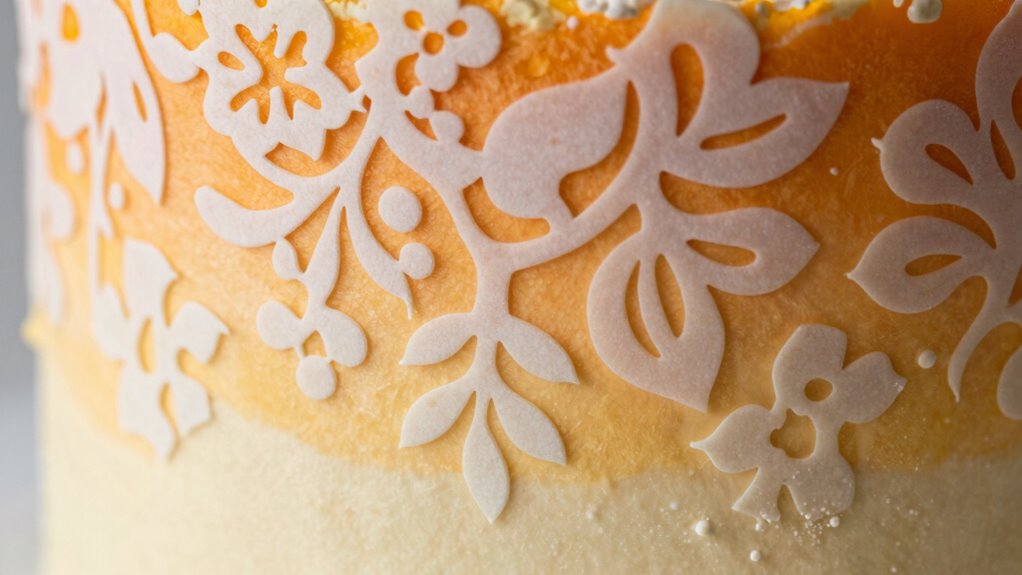
Stencils smear on cakes mainly because of frosting that’s too soft or greasy, which causes the design to bleed or shift. Environmental factors like high humidity or warm conditions make the frosting more prone to smearing, while applying too much pressure can ruin sharp edges. The consistency of your coloring medium also matters—runny colors bleed easily, but thick ones stay in place. Using proper tools and techniques helps, and keeping your workspace dry and cool boosts your chances for a clean design. Keep going to uncover more tips.

Get baking supplies delivered free with Prime
- Fast, free delivery on millions of items
- Prime Video, Amazon Music and more included
- Member-only deals all year
Key Takeaways
- Soft or greasy frosting causes the stencil design to bleed or smudge.
- Runny or diluted coloring mediums seep under stencil edges, blurring the pattern.
- Excessive pressure during application can smudge or distort the design.
- High humidity or warm conditions soften frosting, increasing smear risk.
- Improper tools or handling can disturb the stencil, leading to blurred images.
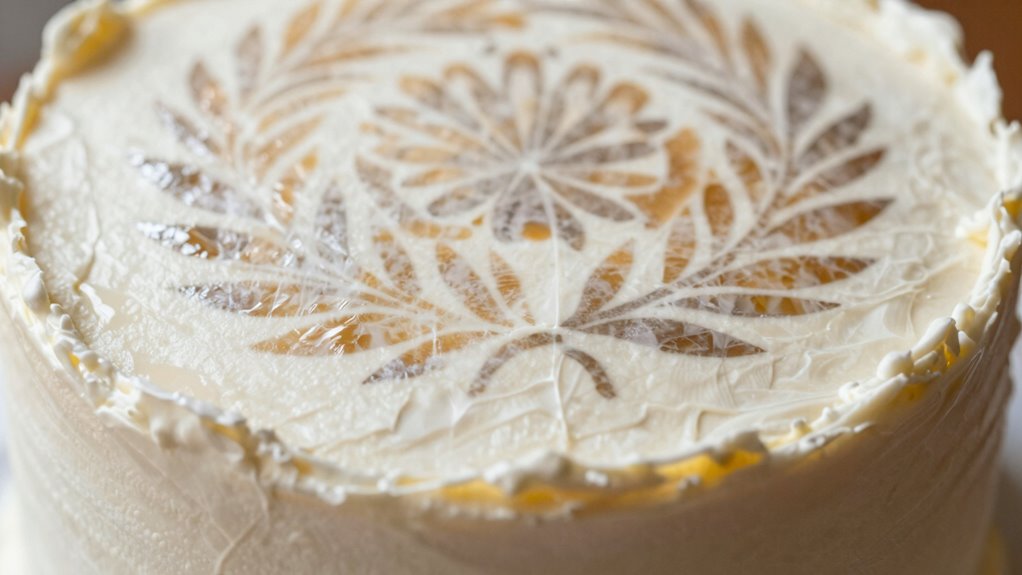
Stencils are a popular way to add intricate designs to cakes, but when they smear, it can ruin your entire decoration. You’ve likely experienced this frustration—your beautiful cake looks perfect until you lift the stencil, only to see smudges and blurred lines ruining your carefully crafted design. The key to avoiding this issue lies in understanding the real reasons behind stencil smearing and how it affects cake decoration and food presentation.
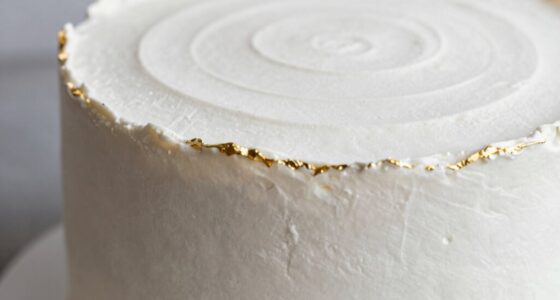
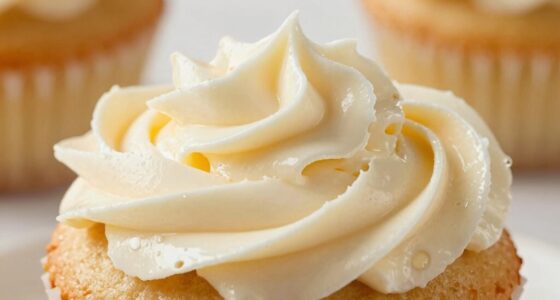
One common cause of smearing is the type of icing or frosting you use. If your frosting is too soft or greasy, it won’t hold the stencil’s design well, causing the color or pattern to bleed. Buttercream that’s too warm or icing with excessive moisture can easily smudge under pressure. For sharp, clean designs, you need a sturdy, firm frosting that can withstand the stencil transfer without shifting or smearing. Powdered sugar dusted over the stencil or using a dry, hardened surface can help improve precision and prevent unwanted smudges.
Use firm, dry frosting and powdered sugar to prevent smudging and achieve sharp stencil designs.
Another factor is the consistency of your coloring medium. Whether you’re using food coloring gels, powders, or edible sprays, if the product is too runny or diluted, it can seep under the stencil’s edges and create blurry lines. You want a thick, concentrated color that stays put and doesn’t spread beyond the intended design. When applying the color, use a sponge, brush, or airbrush with controlled pressure to ensure even coverage without pushing the color beyond the stencil. Additionally, ensuring that the color consistency is appropriate can prevent unintended bleeding and smearing during application.
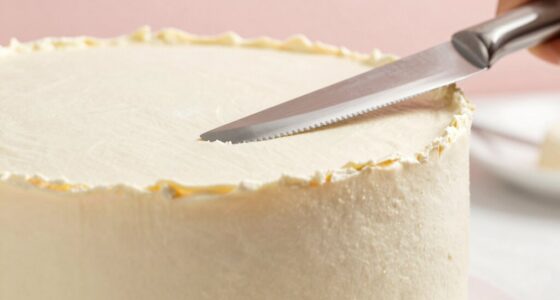
The technique you employ also plays a vital role. Pressing the stencil down too hard causes the design to smudge, especially if your frosting isn’t firmly set. Light, gentle pressure helps keep the stencil in place without deforming the pattern or pushing the color into the frosting. When lifting the stencil, do so carefully and steadily to avoid dragging or smearing the design. Patience is essential—rushing this step often results in muddled or blurred images, which diminishes your cake’s visual appeal and hampers the overall food presentation. Ensuring your frosting is adequately set and firm prior to stenciling can significantly reduce the risk of smearing, as frosting consistency plays a crucial role in achieving clean, sharp designs. Additionally, using proper tools like a flexible spatula or stencil applicator can make a difference in the precision of your work.
Lastly, the environment can influence stencil outcomes. High humidity or warm conditions make frosting softer and more prone to smearing. Working in a cool, dry space helps the frosting set faster and maintain its shape during the decoration process. Properly chilling the cake before applying the stencil can also keep the surface firm and ready for detailed work.
As an affiliate, we earn on qualifying purchases.
Frequently Asked Questions
Can Stencil Smearing Affect Cake Flavor?
Yes, stencil smearing can affect cake flavor, especially if you use low-quality or non-food-safe materials. When the stencil smears, it might transfer off-putting tastes or chemicals into your cake, compromising food safety. Additionally, the smear can introduce unwanted flavors from the stencil itself or cause the icing to become uneven, which can alter the overall taste experience. Always choose food-safe stencils and materials for cake decoration to avoid flavor issues.
Are Certain Frosting Types More Prone to Smearing?
Think of frosting types like different terrains—some are smooth and sturdy, others slippery and prone to slipping. You’ll find that buttercream and fondant are more resistant to smearing because of their stencil durability, while whipped cream or cream cheese frosting are more likely to cause issues. Edible ink works best on firm, dry surfaces, so choosing the right frosting can prevent your stencil from smearing and keep your design crisp.
How Long Should a Stencil Sit on a Cake?
You should let the stencil sit on the cake for about 10 to 15 seconds, ensuring the food coloring techniques or edible ink options transfer properly without smearing. Keep the stencil steady during this time. If you’re using more delicate frosting, shorter contact helps prevent smudges. After removing the stencil, gently lift it off, and your design should be crisp. Practice makes perfect to master timing and achieve clean results.
Does Temperature Impact Stencil Smearing?
Like a painter battling the elements, you’ll find temperature impacts stencil smearing. When it’s too hot or cold, airflow issues can cause the stencil material to shift or smudge, making your design less crisp. Keep your cake in a stable environment, and choose a stencil material suited for the temperature. This way, you prevent smearing and achieve a clean, professional look that’s as precise as a master’s brushstroke.
Can Homemade Stencils Reduce Smearing?
Yes, homemade stencils can reduce smearing if you use sturdy materials and guarantee proper stencil durability. When creating your stencil, opt for food dye-resistant materials like acetate or cardstock, which prevent the dye from bleeding. Applying the stencil carefully and pressing lightly helps avoid smearing. Using high-quality food dye and allowing the design to set briefly can also improve results, making your cake decoration cleaner and more precise.
As an affiliate, we earn on qualifying purchases.
Conclusion
So, if your stencil smears, it’s time to take action! Remember, moisture and messy methods make mischief. Keep your cake cool, your stencil steady, and your spray light. With a little patience and proper preparation, you’ll prevent pesky smears and produce pristine, perfect patterns. Practice prevents problems, so don’t panic if it’s not perfect at first. Play around, learn, and soon you’ll be frosting flawless, fabulous designs with finesse!
As an affiliate, we earn on qualifying purchases.
As an affiliate, we earn on qualifying purchases.
Halloween Picks
halloween
As an affiliate, we earn on qualifying purchases.