Edible airbrush colors are specially made for use with airbrush tools, allowing you to spray smooth, even coats on baked goods. They offer vibrant finishes, crisp gradients, and realistic shading that are hard to achieve with traditional food colors like gels, liquids, or powders. While they require some practice and proper storage, they enable quick, professional-looking results. If you want to discover how these colors compare in detail, keep exploring the differences.

Get baking supplies delivered free with Prime
- Fast, free delivery on millions of items
- Prime Video, Amazon Music and more included
- Member-only deals all year
Key Takeaways
- Edible airbrush colors are specifically formulated for spraying with airbrush tools, unlike traditional gels, liquids, or powders.
- They produce smooth, even coats and gradients, offering more professional and detailed visual effects.
- Airbrush colors allow for quicker coverage of large areas compared to hand-painting with standard food colors.
- Proper thinning and storage are essential for airbrush colors to maintain performance and achieve desired results.
- Traditional food colors are easier to apply manually but may require more layering for complex shading or effects.
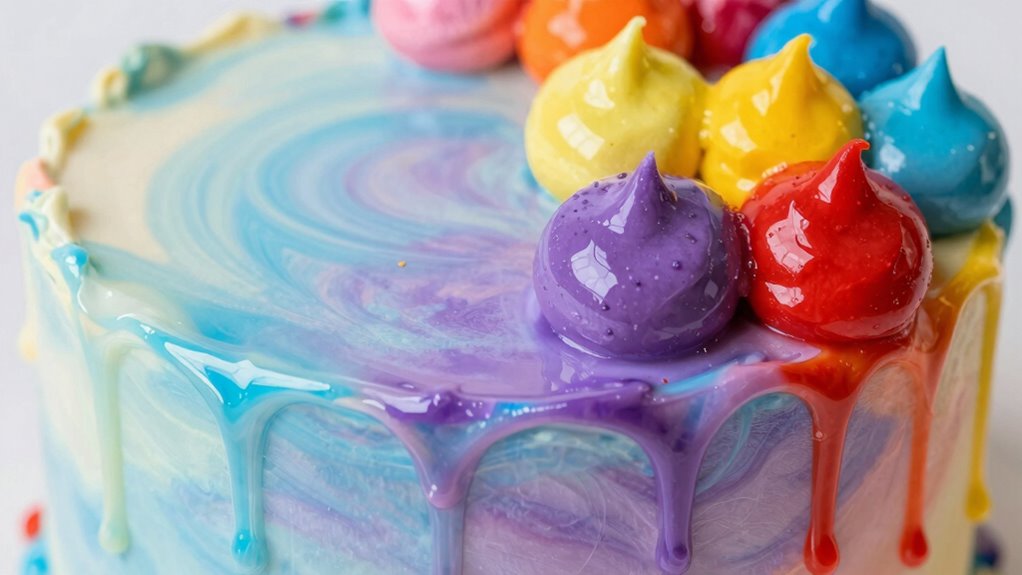
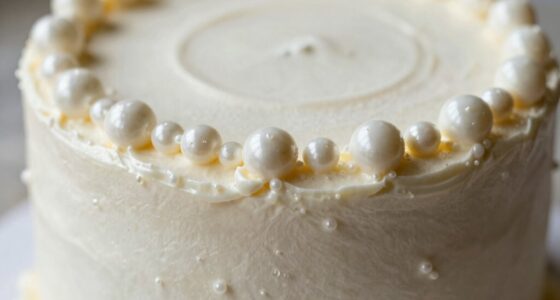
When it comes to decorating edible creations, understanding the differences between edible airbrush colors and other food colors is essential. If you’re into cake decoration, choosing the right coloring method can make a significant impact on the final look and feel of your designs. Edible airbrush colors are specially formulated for use with airbrush tools, allowing you to spray fine, even coats of color onto cakes, cookies, and other treats. This technique not only creates a professional appearance but also offers a level of control that’s tough to achieve with traditional food coloring gels or liquids. With airbrushing, you can effortlessly blend shades and create smooth gradients, making your cake decoration stand out with vibrant, seamless color transitions.
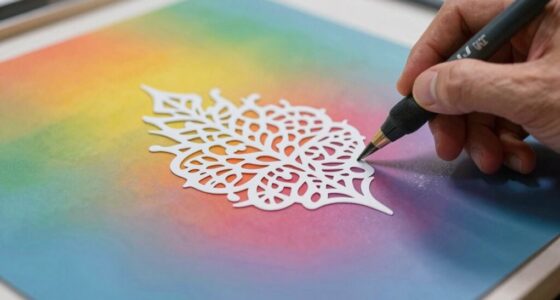
Edible airbrush colors offer precise, professional-looking finishes for cakes and treats through smooth, seamless color blending.
In contrast, standard food colors like gels, liquids, and powders serve well for many applications but don’t always deliver the same fine detail or smooth color blending that airbrush colors provide. They’re typically used for hand-painting, piping, or mixing into batters and frostings. When you’re working with these colors, you often need to layer or mix multiple shades to achieve the desired hue, which can sometimes lead to uneven color distribution or muddy shades if not handled carefully. However, traditional food colors are more accessible and easier to apply without specialized equipment, making them a popular choice for beginners or quick projects.
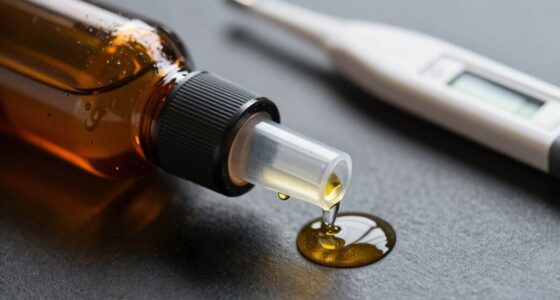
The real advantage of edible airbrush colors in cake decoration lies in their ability to produce uniform, vibrant layers of color that enhance the overall aesthetic. You can achieve soft pastel backgrounds, striking metallic effects, or realistic shading with precise control over intensity and placement. This precision is particularly useful when working on detailed designs or when you want to incorporate complex color blending. Because airbrush colors are designed to be thinned with specific food-safe solvents, you can control the flow and opacity, creating subtle transitions that mimic professional artistry.
Furthermore, using airbrush colors reduces the need for extensive hand-painting, which can be time-consuming and less consistent. You can cover large areas quickly and evenly, making your cake decoration process more efficient. Just keep in mind that mastering color blending with airbrush colors requires some practice, but once you get the hang of it, you’ll find it easier to produce stunning, multi-dimensional effects. Whether you’re aiming for delicate shading or bold accents, understanding these differences helps you choose the right tools for your cake decoration projects, resulting in more polished, professional-looking edible art. Additionally, proper storage and handling of these colors ensure their longevity and consistent performance, further enhancing your decorating experience.
edible airbrush food coloring set
As an affiliate, we earn on qualifying purchases.
As an affiliate, we earn on qualifying purchases.
Frequently Asked Questions
Are Edible Airbrush Colors Safe for Children?
Yes, edible airbrush colors are generally safe for children when used properly. You should prioritize child safety by choosing products specifically labeled as safe for kids and free from harmful chemicals. Be aware of allergy concerns, checking ingredients carefully to avoid allergic reactions. Always supervise children during use, and guarantee they don’t ingest large amounts of paint. With proper precautions, edible airbrush colors can be a fun, safe way to decorate treats.
How Long Do Edible Airbrush Colors Last on Baked Goods?
Edible airbrush colors stick around on baked goods like loyal friends, lasting about 1 to 2 weeks if stored properly. To keep them vibrant, store them in a cool, dark place, away from direct sunlight and heat. Always seal the bottles tightly after use. Proper storage extends their shelf life and maintains color quality, ensuring your decorated treats stay fresh and colorful for as long as you need.
Can Edible Airbrush Colors Be Used on Non-Food Surfaces?
Yes, you can use edible airbrush colors on non-food surfaces for creative projects, but they aren’t designed for durability outside food. When you do, anticipate the colors to be less long-lasting and more delicate. They work well on cake decorations, fondant, or edible paper but may smudge or fade on non-food surfaces over time. Always test a small area first to ensure the desired effect.
Do Edible Airbrush Colors Stain Skin or Clothing?
They say “a stain is a stain,” and edible airbrush colors can indeed stain skin or clothing if you’re not careful. Skin staining might wash off easily, but clothing staining can be more stubborn, especially on porous fabrics. To prevent this, wear protective clothing and use gloves. If stains happen, act quickly with soap and water for skin, and try stain remover for clothing.
Are There Any Allergies Associated With Edible Airbrush Colors?
You might have allergies or ingredient sensitivities to edible airbrush colors, so allergy testing is a smart move before use. Check the ingredients carefully, especially if you know you’re sensitive to certain dyes or additives. If you experience any allergic reactions like hives or swelling, stop using the product immediately. Always read labels thoroughly and consult with a healthcare professional if you’re unsure about potential allergies related to these colors.
As an affiliate, we earn on qualifying purchases.
Conclusion
Just like the painter’s brush brings a canvas to life, choosing the right food coloring transforms your culinary creations. Edible airbrush colors offer a sleek, professional finish, making your desserts stand out with vibrant, smooth hues. Unlike traditional food colors, they’re designed for precision and finesse. So, remember, with the right tool in your kit, you’re not just decorating—you’re creating edible art that even Da Vinci would admire.
professional edible airbrush colors
As an affiliate, we earn on qualifying purchases.
As an affiliate, we earn on qualifying purchases.
food safe airbrush color bottles
As an affiliate, we earn on qualifying purchases.
As an affiliate, we earn on qualifying purchases.
Halloween Picks
halloween
As an affiliate, we earn on qualifying purchases.