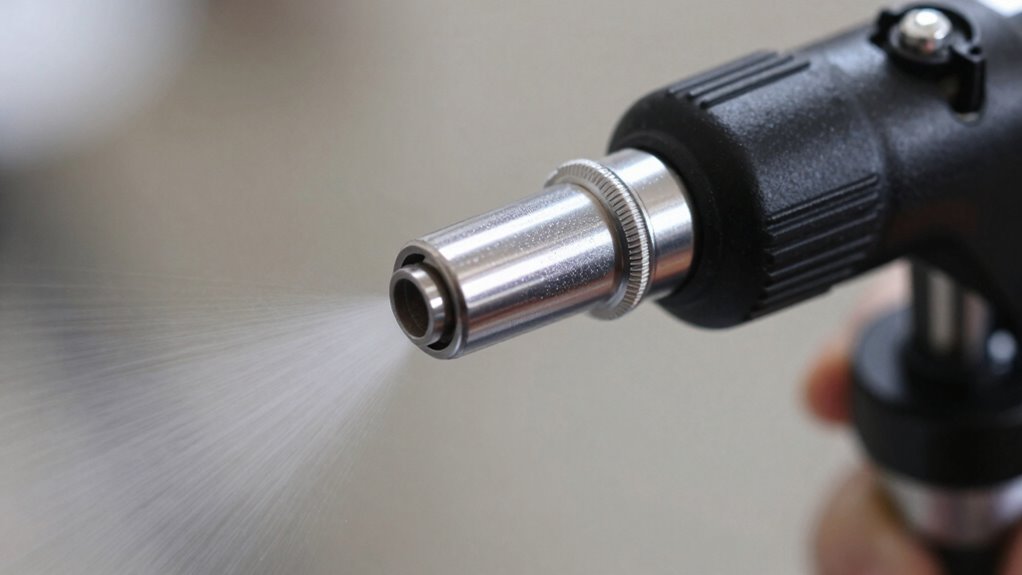

When your compressor isn’t stable, the air pressure it provides can fluctuate, causing uneven paint flow and inconsistent spray patterns. This can lead to splatters, thin spots, or over-application, affecting your artwork’s quality and detail. Noise fluctuations may also signal performance issues that impact result precision. Maintaining stable pressure is key to achieving consistent, crisp results. Keep going to discover how proper maintenance and monitoring can help you keep your compressor steady and your work flawless.

Get baking supplies delivered free with Prime
- Fast, free delivery on millions of items
- Prime Video, Amazon Music and more included
- Member-only deals all year
Key Takeaways
- Inconsistent compressor pressure causes uneven paint flow, leading to inconsistent spray patterns and compromised artwork quality.
- Fluctuating noise and vibrations indicate internal issues that disrupt stable airflow and affect airbrush performance.
- Pressure variations can result in splatters, thin spots, or over-application, reducing detail and precision.
- Unstable compressors may cause sudden pressure drops, ruining delicate work and decreasing overall control.
- Lack of regular maintenance allows fluctuations, decreasing reliability and negatively impacting airbrush results.
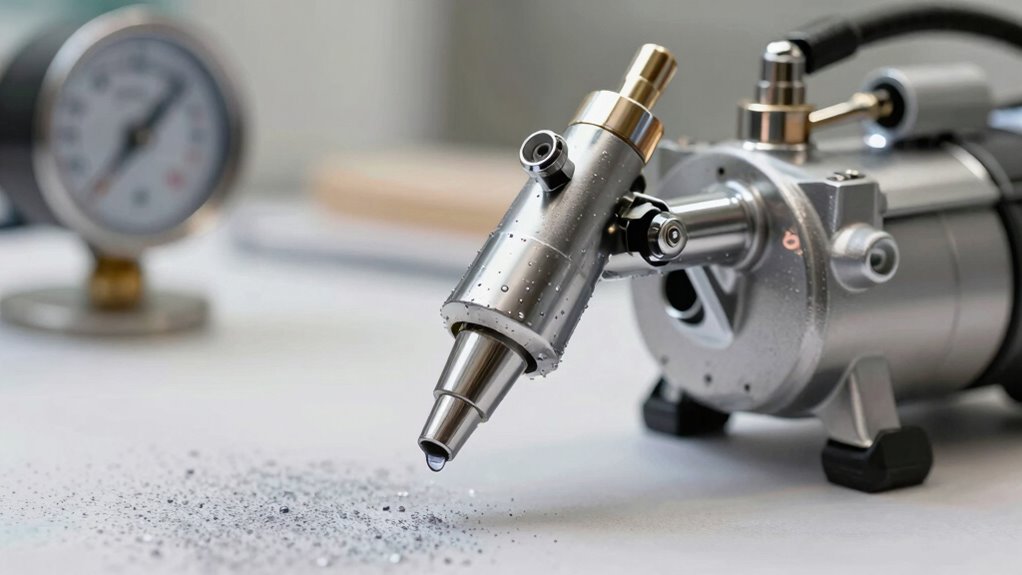
A stable compressor is vital for achieving consistent and high-quality airbrush results. When your compressor maintains steady operation, it provides a reliable source of pressurized air, which means your paint flow stays uniform and your details stay crisp. But if the compressor’s performance fluctuates, your results can suffer. Variations in pressure lead to uneven paint distribution, causing splatters, thin spots, or over-application. Stability directly impacts the precision you can achieve, making it indispensable for professional-looking artwork or detailed work.
One key aspect of compressor stability is noise levels. An unstable compressor often produces inconsistent noise, which can be distracting and even signal mechanical issues. If your compressor becomes louder or noisier during use, it might be struggling to maintain pressure, leading to inconsistent spray patterns. Excessive noise can also be a sign of internal vibrations or worn components, which compromise stability. When noise levels are well-controlled and consistent, you can focus better on your work without interruptions or the need to frequently readjust your airbrush. Maintaining a quieter, steady compressor not only improves your comfort but also ensures that the air pressure remains steady, resulting in more predictable and even paint application. Additionally, compressor stability is crucial for preventing sudden pressure drops that can ruin detailed work or cause uneven paint flow. Ensuring the pressure consistency of your compressor can significantly enhance your overall results and efficiency. Proper maintenance of your airbrush equipment also plays a vital role in maintaining consistent performance over time. Regular checks and adjustments help to sustain compressor performance and avoid unexpected fluctuations. Being aware of digital monitoring tools can also help you track and maintain compressor stability more effectively.
airbrush compressor with stable pressure
As an affiliate, we earn on qualifying purchases.
As an affiliate, we earn on qualifying purchases.
Frequently Asked Questions
Can Temperature Fluctuations Affect Compressor Stability?
Yes, temperature fluctuations can affect compressor stability. When the temperature changes, it can impact compressor calibration, leading to inconsistent airflow. This inconsistency can cause your airbrush results to vary, with issues like uneven spray or paint spitting. Maintaining a stable environment helps guarantee airflow remains steady, so your compressor performs reliably. Regularly checking and adjusting your compressor for temperature changes can help keep your airbrush work smooth and consistent.
How Does Humidity Impact Airbrush Performance?
Humidity effects can considerably impact your airbrush performance. High humidity levels introduce more moisture into the air, which can cause your paint to thicken or clog the nozzle, leading to inconsistent spray patterns. This affects airbrush consistency, making it harder to achieve smooth, even coats. To maintain the best results, use a moisture trap or dehumidifier, and regularly clean your equipment to prevent moisture buildup that can compromise your work.
Do Different Airbrush Models React Differently to Compressor Instability?
Did you know that over 60% of artists encounter varying airbrush results with different models? Yes, different airbrush models react uniquely to compressor instability because of their design and airbrush compatibility. Some are more sensitive to fluctuations, requiring precise compressor calibration for consistent results. If your compressor isn’t stable, expect uneven spray patterns or clogs, especially with delicate or high-precision airbrushes. Choosing the right model and maintaining proper calibration helps guarantee ideal performance.
Is Regular Maintenance Essential for Consistent Results?
Yes, regular maintenance is essential for consistent airbrush results. You should regularly check and oil lubrication points to keep parts moving smoothly. Power fluctuations can cause compressor instability, leading to inconsistent airflow. By maintaining your compressor, addressing oil levels, and ensuring a stable power supply, you minimize fluctuations and achieve reliable, smooth spraying. Proper upkeep helps prevent issues caused by compressor instability, giving you more control over your airbrush work.
Can Noise Levels Indicate Compressor Stability Issues?
Yes, noise levels can indicate compressor stability issues. When your compressor becomes unstable, it often produces irregular noise, signaling potential problems. These noises may be caused by power fluctuations or air quality issues that affect performance. If you notice increased or unusual sounds, you should check your compressor’s air quality and guarantee consistent power supply. Addressing these factors helps maintain stable operation, leading to better airbrush results and preventing damage.
quiet airbrush compressor for detailed work
As an affiliate, we earn on qualifying purchases.
As an affiliate, we earn on qualifying purchases.
Conclusion
In the end, understanding how compressor stability affects your airbrush is like tending a delicate garden—if you don’t keep the water steady, your blooms struggle to flourish. When your compressor runs smoothly, your artwork flows effortlessly, producing crisp, consistent results. But if it wavers, your work can become uneven, like a shaky hand. So, keep your compressor stable, and watch your artistic garden thrive, bursting with vibrant, flawless creations every time.
digital compressor pressure monitor for airbrush
As an affiliate, we earn on qualifying purchases.
As an affiliate, we earn on qualifying purchases.
airbrush compressor maintenance kit
As an affiliate, we earn on qualifying purchases.
As an affiliate, we earn on qualifying purchases.
Evergreen bestsellers Picks
bestsellers
As an affiliate, we earn on qualifying purchases.