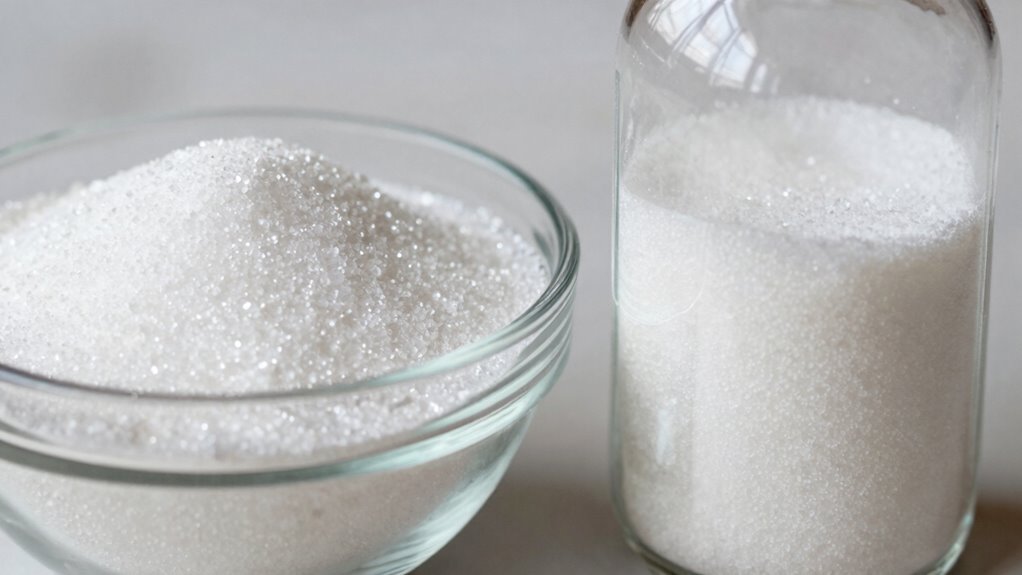

Sweeteners don’t behave like easy swaps because they often have flavor mismatches, leaving strange aftertastes that can make treats feel less satisfying and even trigger cravings. They can also impact your metabolism by affecting insulin or gut bacteria, sometimes increasing hunger instead of reducing it. Long-term safety remains uncertain due to inconsistent regulation and ongoing research. If you want to understand more about why they fall short, keep exploring the facts behind these sweet alternatives.

Get baking supplies delivered free with Prime
- Fast, free delivery on millions of items
- Prime Video, Amazon Music and more included
- Member-only deals all year
Key Takeaways
- Sweeteners often have different flavor profiles, leading to mismatched taste and lingering aftertastes that affect satisfaction.
- They can trigger insulin release and alter gut bacteria, impacting hunger and potentially increasing cravings.
- Long-term safety and regulation of sweeteners remain uncertain, with ongoing research raising concerns.
- Individual responses vary, causing unpredictable effects on digestion, taste preferences, and metabolic health.
- Natural, less processed alternatives may provide better health benefits without the drawbacks of artificial sweeteners.

Many people turn to sweeteners as an easy way to cut calories and reduce sugar intake, but do they really deliver on their promises? The truth is, sweeteners don’t always behave the way you might expect. While they can seem like straightforward substitutes, their flavor profiles often don’t match sugar, and their metabolic effects can be unpredictable. These differences can lead to unintended consequences, making them less of an easy swap and more of a complicated choice.
Sweeteners often fall short of expectations, with flavor mismatches and unpredictable effects complicating their role as simple sugar substitutes.
When you taste something made with artificial or low-calorie sweeteners, you might notice that the flavor profile isn’t quite the same. Sugar provides a rounded, familiar sweetness that balances bitterness and acidity in foods and drinks. Sweeteners, on the other hand, can have a more intense or odd aftertaste. Some have a bitter or metallic note that lingers, which can make your favorite treats taste different or less satisfying. This mismatch in flavor profiles can leave you craving more or feeling unsatisfied, defeating the purpose of a simple swap.
Beyond taste, the metabolic effects of sweeteners are another factor that complicates their reputation as an easy solution. Many believe that since they contain fewer or no calories, sweeteners won’t impact your body’s insulin response or fat storage. However, research shows that this isn’t always the case. Some artificial sweeteners may stimulate insulin release or alter gut bacteria, which can influence hunger and cravings. This can lead to increased appetite or a tendency to overeat later, fundamentally undermining the goal of reducing calorie intake. Additionally, certain sweeteners may still trigger a sweet craving, prompting you to seek out sugary foods despite the calorie savings. Metabolic responses can differ significantly among individuals, further complicating their role as a straightforward substitute. It’s also worth noting that regulatory oversight of artificial sweeteners varies by region, adding to the uncertainty about their long-term safety. Furthermore, understanding the scientific research on sweeteners is crucial for making informed choices, as it continues to evolve with ongoing studies. Moreover, the long-term health implications of frequent sweetener consumption are still being studied, and some experts caution against heavy reliance on these additives.
Furthermore, your body’s response to sweeteners can vary from person to person. Some individuals metabolize them differently, experiencing fewer side effects, while others might find that sweeteners trigger digestive issues or alter their taste preferences over time. This inconsistency makes sweeteners a less predictable substitute and raises questions about whether they truly help you manage weight or improve health.
It’s also important to consider that artificial sweeteners are not always well-regulated or tested for long-term safety, adding another layer of uncertainty to their use. In the end, sweeteners aren’t the simple, one-to-one replacements they’re often marketed as. They come with flavor profile differences that can affect your eating experience, and their metabolic effects aren’t always benign. If you’re trying to cut calories or reduce sugar, it’s worth considering these nuances before relying heavily on sweeteners as an easy fix. Sometimes, embracing natural, less processed options might serve you better in the long run.
As an affiliate, we earn on qualifying purchases.
Frequently Asked Questions
Are All Artificial Sweeteners Safe for Long-Term Use?
Not all artificial sweeteners are proven safe for long-term use. You should be cautious with artificial chemicals, as research on their long-term safety remains limited. Some studies suggest potential health risks, while others find them safe in moderation. It’s best to stay informed and consult your healthcare provider before making them a regular part of your diet. Moderation and awareness help you make smarter choices regarding artificial sweeteners and long-term health.
How Do Natural Sweeteners Compare in Health Benefits?
Natural sweeteners are like a vibrant palette of flavor profiles, offering unique tastes that appeal differently to your palate. They often contain fewer calories, making them a gentler option on your waistline. Unlike artificial options, their health benefits can include antioxidants or anti-inflammatory properties. However, their sweetness levels vary, so you might need more or less to satisfy your craving, and some may impact blood sugar more than expected.
Can Sweeteners Affect Gut Health or Digestion?
Sweeteners can impact your gut health and digestion by affecting your gut flora, the beneficial bacteria that support digestion balance. Some artificial sweeteners and sugar alcohols may disrupt these bacteria, leading to bloating, gas, or irregular digestion. Natural sweeteners like honey or maple syrup might be gentler, but moderation is key. Pay attention to how your body reacts, and consider choosing options that support a healthy gut.
Do Sweeteners Impact Blood Sugar Levels Differently?
You might find that sweeteners impact blood sugar levels differently, with some causing minimal blood sugar fluctuations while others trigger insulin response variability. Notably, research shows that certain artificial sweeteners can still influence your body’s insulin response, even without raising blood sugar considerably. This means your body’s reaction isn’t uniform, so you might experience different effects depending on the type of sweetener you use, making it tricky to predict blood sugar responses precisely.
Are There Any Hidden Costs Associated With Using Sweeteners?
Yes, there are hidden costs with sweeteners. While they may help with calorie reduction, they can alter taste and sometimes cause digestive issues or cravings for sweeter foods. You might experience taste alteration that affects your enjoyment of natural flavors. Additionally, some sweeteners could lead to long-term health concerns or dependency. So, it’s essential to weigh these potential hidden costs against their benefits before making them a regular part of your diet.
As an affiliate, we earn on qualifying purchases.
Conclusion
Remember, not all sweeteners are created equal—what works as a quick fix might not serve your health in the long run. Like they say, “all that glitters is not gold,” so don’t be fooled by easy swaps. Take the time to understand their effects and choose wisely. Your taste buds and body will thank you for making mindful decisions. In the end, patience and knowledge are your sweetest tools.
gut health probiotic supplements
As an affiliate, we earn on qualifying purchases.
As an affiliate, we earn on qualifying purchases.
sugar substitute with minimal aftertaste
As an affiliate, we earn on qualifying purchases.
As an affiliate, we earn on qualifying purchases.
Fall Picks
fall essentials
As an affiliate, we earn on qualifying purchases.