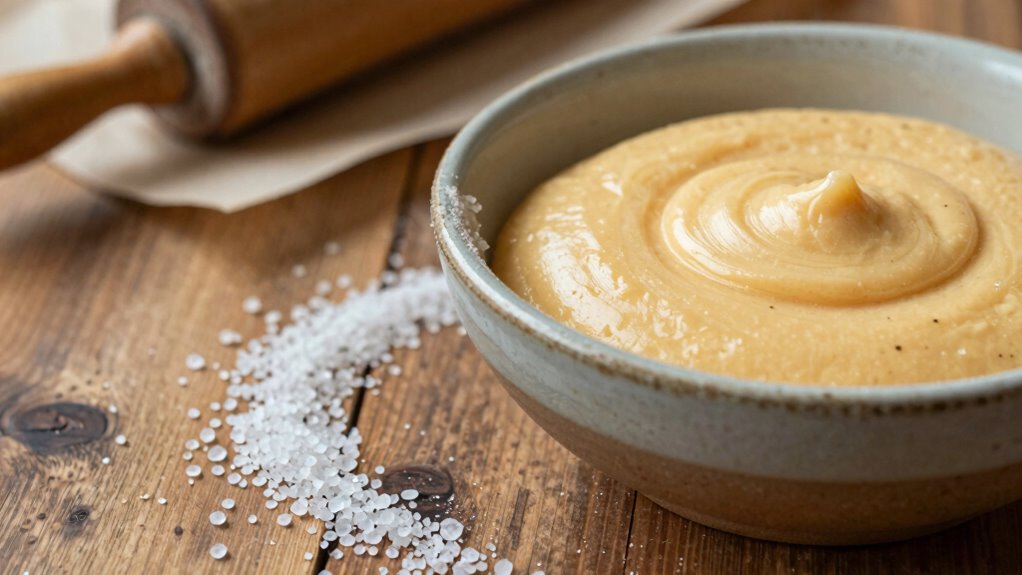

Salt plays a crucial role in sweet baking by enhancing flavor, balancing sweetness, and making ingredients taste more vibrant. It sharpens your palate, revealing nuanced flavors and adding depth to desserts. Proper use of salt guarantees your baked goods aren’t dull or overly sweet, while too much can overpower delicate tastes. When you understand how salt interacts with ingredients, you can refine recipes for perfect harmony. Keep exploring, and you’ll discover how mastering this small enhancement can elevate your baking to the next level.

Get baking supplies delivered free with Prime
- Fast, free delivery on millions of items
- Prime Video, Amazon Music and more included
- Member-only deals all year
Key Takeaways
- Salt enhances natural flavors and adds complexity, elevating the overall taste of sweet baked goods.
- It balances sweetness and prevents desserts from tasting overly flat or dull.
- Salt moderates ingredient interactions, ensuring harmonious blending and improved texture.
- Incorporating salt early promotes even distribution and maximizes flavor enhancement.
- Proper use of salt ties all flavors together, creating depth and preventing over-sweetness.
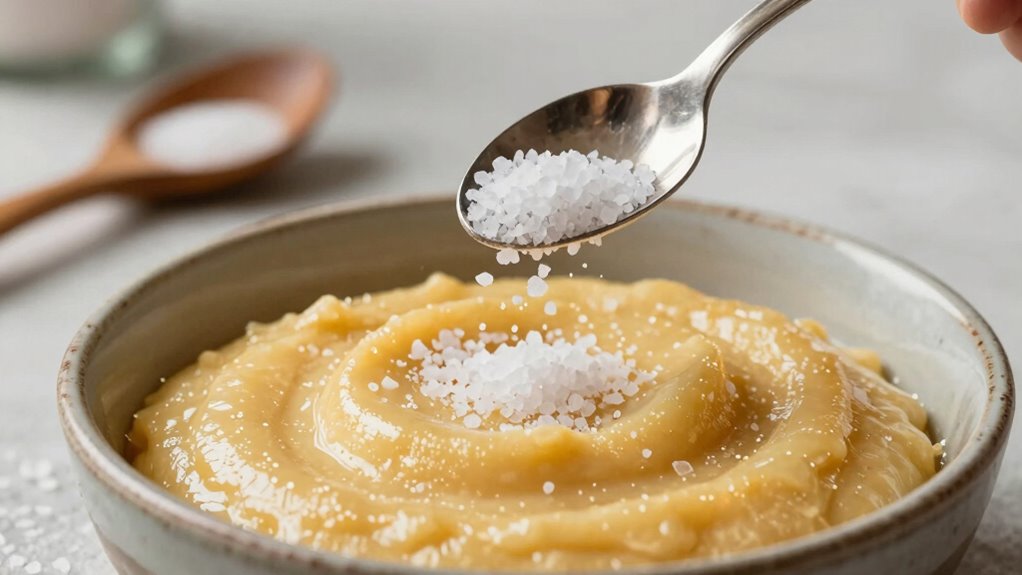
Salt might seem like a small ingredient in sweet baking, but it plays a vital role in enhancing flavor and balancing sweetness. When you add a pinch of salt to your batter or dough, you’re not just seasoning; you’re revealing the full potential of your ingredients. Salt acts as a flavor enhancer, making the natural flavors of sugar, vanilla, chocolate, and fruit more vibrant. It sharpens the taste buds’ perception, allowing each flavor to stand out without overpowering the overall profile. This subtle boost can turn a good dessert into a memorable one, giving your baked goods complexity and depth.
A pinch of salt enhances flavor, adds depth, and balances sweetness in your baked goods.
Beyond flavor enhancement, salt helps achieve ingredient balance in your recipes. Sweet baked treats often contain multiple ingredients that can sometimes compete or clash if not properly managed. Salt moderates these interactions, preventing overly sweet or flat flavors. For example, in a rich chocolate cake, a tiny amount of salt can cut through the richness, creating a harmonious blend that feels balanced on the palate. Similarly, in fruit-based desserts, salt can heighten the fruit’s brightness and make the sweetness feel more natural, rather than overwhelming or artificial. Recognizing the science behind salt’s impact can help you better understand its role in baking. Incorporating an understanding of baking science can also help you troubleshoot and refine your recipes over time. Being aware of ingredient interactions can further improve your baking precision and consistency. This knowledge of baking chemistry allows you to experiment confidently and adjust your recipes for optimal flavor.
Understanding how salt influences your baked goods means respecting its power. You don’t need much—just a small pinch or a pinch more than you might expect. When you incorporate salt early in your mixing process, it has time to distribute evenly and exert its full effect on flavor and ingredient balance. If you forget to add salt altogether, your dessert may taste dull or overly sweet, lacking the nuanced complexity that salt provides. Conversely, too much salt can overpower the delicate sweetness, so precision matters.
Using salt in sweet baking isn’t about making your recipes salty; it’s about enhancing what’s already there. When you bake, think of salt as the tool that ties all the flavors together, ensuring each ingredient contributes to a cohesive and delicious final product. It’s a subtle but essential element that elevates your baking from good to exceptional. The next time you’re preparing a sweet treat, remember that a tiny bit of salt can make a significant difference, enriching flavor and maintaining ingredient harmony in every bite. Additionally, understanding the cooking science behind salt’s role can help you fine-tune your recipes for even better results.
As an affiliate, we earn on qualifying purchases.
Frequently Asked Questions
Can Too Much Salt Ruin a Sweet Baked Good?
Yes, too much salt can ruin a sweet baked good. Excess salt disrupts the salt and sugar balance, making the dessert taste overly salty or unbalanced. It can also interfere with gluten development, resulting in a dense or tough texture. To avoid this, measure salt carefully, and remember that even a small amount can markedly impact flavor and texture, ensuring your baked goods stay delicious and well-balanced.
Does the Type of Salt Affect the Flavor?
Yes, the type of salt affects the flavor of your baked goods. Different salt varieties, like sea salt, Himalayan pink salt, or regular table salt, bring unique flavor nuances and textures. Using a high-quality salt can enhance the overall flavor, adding subtle complexity. So, choosing the right salt not only influences the saltiness but also amplifies the flavor enhancement in your sweet creations.
How Does Salt Influence the Texture of Baked Desserts?
Like a maestro guiding an orchestra, salt influences your baked desserts’ texture by enhancing flavor and aiding moisture retention. It strengthens gluten networks, giving structure and elasticity, while also preventing desserts from becoming overly dry. Salt’s subtle touch guarantees your baked goods remain tender and moist, creating a perfect harmony of taste and texture. Without it, your desserts risk losing depth and staying overly crumbly or overly dry.
Is Salt Necessary in All Sweet Baking Recipes?
Salt isn’t necessary in all sweet baking recipes, but it often enhances flavor and balances sweetness. It also has preservation properties that can extend shelf life and improve texture. You might skip salt in delicate baked goods like certain cakes, but adding a pinch can elevate flavors considerably. Ultimately, whether to include salt depends on the recipe and desired taste, but it generally benefits most sweet baked treats.
Can Salt Be Substituted With Other Ingredients?
Imagine a delicate dance where salt acts as the silent partner, enhancing every step. You can substitute salt with alternatives like potassium salt or flavored extracts, but they may not fully replicate salt’s role. Other flavor enhancers, like vanilla or citrus zest, brighten sweetness, yet they don’t mimic salt’s ability to balance flavors. So, while substitutions exist, they often change the final harmony of your baked goods.
As an affiliate, we earn on qualifying purchases.
Conclusion
In the symphony of sweet baking, salt is the quiet conductor, guiding flavors to sing in harmony. It’s the hidden magician that transforms mere sugar into a masterpiece, balancing and elevating every bite. Without it, your baked goods may fall flat, like a song missing its crescendo. So, embrace salt’s subtle power—your treats will thank you, and every bite will feel like a warm, lingering hug from a secret friend.
As an affiliate, we earn on qualifying purchases.
As an affiliate, we earn on qualifying purchases.
Fall Picks
fall essentials
As an affiliate, we earn on qualifying purchases.