Gluten-free dough feels like paste because it lacks gluten, which provides elasticity and structure in traditional dough. Without it, the dough can become sticky, dense, or crumbly. To fix this, you should add binders like xanthan gum or psyllium husk, adjust moisture levels, and blend flours carefully to improve texture. Handling the dough gently and making small ingredient tweaks can help. Keep exploring to discover more ways to perfect your gluten-free baking process.

Get baking supplies delivered free with Prime
- Fast, free delivery on millions of items
- Prime Video, Amazon Music and more included
- Member-only deals all year
Key Takeaways
- Lack of gluten requires adding binders like xanthan gum or psyllium husk to improve elasticity and cohesion.
- Excess moisture from gluten-free flours can make dough too wet and paste-like; adjust liquids accordingly.
- Using single gluten-free flours may cause pasty textures; blending flours like almond, tapioca, and sorghum creates better consistency.
- Overworking or handling dough roughly can break down structure, making it stickier or paste-like; handle gently and efficiently.
- Proper ingredient ratios and techniques help achieve a smooth, workable dough despite the absence of gluten.
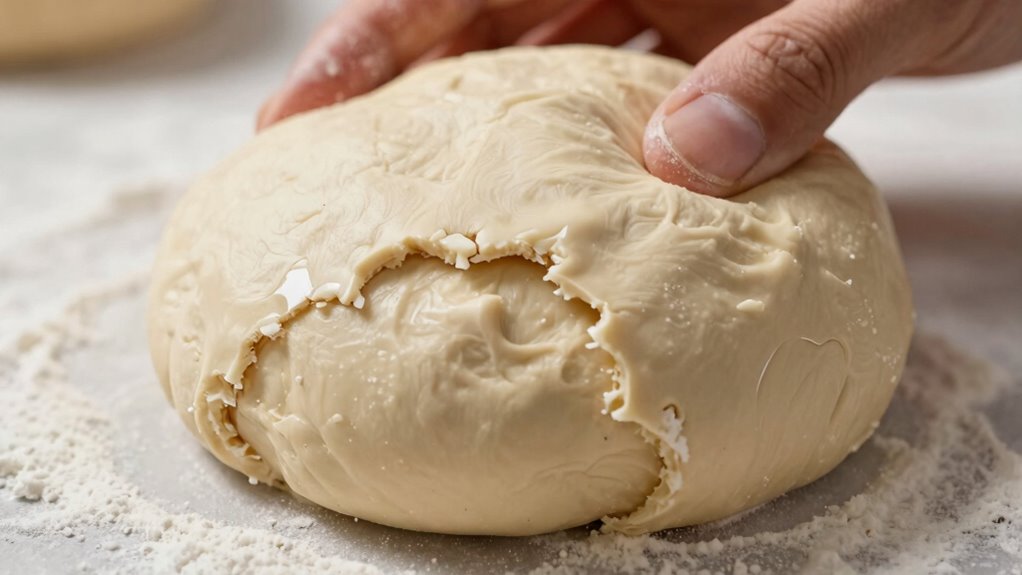
Have you ever wondered how to make delicious dough without gluten? If you’ve tried, you might have noticed that your gluten-free dough feels more like paste than the soft, pliable mixture you’re aiming for. That’s because gluten provides elasticity and structure, so without it, your dough can develop texture issues that make it stick excessively or feel overly dense. The key to overcoming this is understanding how ingredient substitutions impact texture and what adjustments you can make to achieve a smoother, more workable dough.
When working with gluten-free ingredients, you can’t rely on traditional flour alone. Instead, you need to incorporate specific substitutes that mimic gluten’s properties. Common ingredient substitutions include xanthan gum, guar gum, or psyllium husk, which act as binders to give your dough the elasticity it needs. Without these, your dough may lack cohesion, resulting in a paste-like consistency that’s hard to shape. Adding the right amount of these binders helps create a more elastic texture, preventing it from feeling overly sticky or crumbly.
Incorporate xanthan gum, guar gum, or psyllium husk to improve gluten-free dough elasticity and cohesion.
Another common issue is the moisture content. Gluten-free flours tend to absorb more liquid, so if you don’t adjust your ingredients accordingly, your dough can become too wet or too dry. If it feels like paste, it might be too moist, and you need to reduce the liquid slightly or add more dry ingredients. Conversely, if it’s crumbly or too stiff, add small amounts of water or milk until you reach the desired consistency. It’s all about balancing the moisture and dry ingredients to get a dough that’s easy to handle without sticking excessively.
In addition to adjusting liquids, consider the type of flour you’re using. Some gluten-free flours, like rice or potato starch, can contribute to a pasty texture if used alone. Combining different flours, such as almond flour, tapioca starch, and sorghum flour, can improve the overall texture. These blends help create a dough that’s more elastic and less paste-like, making it easier to roll out or shape.
Finally, don’t forget to knead your dough gently and avoid overworking it. Over-kneading can break down the structure and cause the dough to become sticky or paste-like. Instead, work quickly and efficiently, incorporating your ingredient substitutions thoughtfully. With some experimentation and the right adjustments, you’ll transform your gluten-free dough from paste to a workable, tasty foundation for your baked goods.
gluten free dough binder xanthan gum
As an affiliate, we earn on qualifying purchases.
As an affiliate, we earn on qualifying purchases.
Frequently Asked Questions
Can I Replace Gluten With Other Binding Agents?
Yes, you can replace gluten with alternative binders like xanthan gum, guar gum, or psyllium husk. These ingredient substitutions help mimic gluten’s structure, giving your dough elasticity and hold. Use small amounts and adjust as needed based on your recipe. This way, you create a cohesive dough without gluten, making your baked goods just as satisfying. Experimenting with different binders can help you find the perfect texture.
How Does Gluten-Free Flour Differ From Regular Flour?
Imagine a delicate web, where gluten provides the structure and elasticity in regular flour. Gluten-free flour differs because it lacks this gluten structure, relying instead on alternative proteins and binding agents. Its protein content varies, often making the dough less elastic and more crumbly. You’ll notice it feels different—softer, less stretchy—requiring adjustments like added binders to mimic traditional flour’s flexibility.
Why Does Gluten-Free Dough Sometimes Taste Different?
You might notice gluten-free dough tastes different because of texture issues and flavor differences in the ingredients. Since gluten-free flours lack gluten’s structure, the dough can have a different mouthfeel and may carry unique flavors from alternative grains or additives. To improve taste, try balancing ingredients, adding natural flavor enhancers like herbs or spices, and experimenting with different flour blends to achieve a more familiar flavor profile while managing texture issues.
Is There a Perfect Gluten-Free Substitute for Traditional Dough?
There isn’t a perfect gluten-free substitute for traditional dough, but you can find great options through gluten-free baking. Focus on achieving the right dough consistency by using blends of tapioca, rice, and potato starches, along with binding agents like xanthan gum. Experiment with different recipes to match the texture you want. With practice, you’ll discover the best combination that mimics traditional dough and enhances your baking experience.
How Can I Improve the Texture of Gluten-Free Dough?
Think of your gluten-free dough as a delicate symphony needing perfect harmony. To improve its texture, experiment with alternative thickeners like xanthan gum or chia seeds to add elasticity. Incorporate kneading techniques that gently develop the dough without overworking it, much like fine-tuning an instrument. This balance creates a more cohesive, less paste-like consistency, resulting in a better rise and tender bite.
psyllium husk for gluten free baking
As an affiliate, we earn on qualifying purchases.
As an affiliate, we earn on qualifying purchases.
Conclusion
So, next time your gluten-free dough feels more like medieval paste than bread, remember to adjust your ingredients and technique. Think of it as taming a wild stallion—patience and a gentle touch make all the difference. Don’t let frustration turn your kitchen into a scene from a Dickens novel; instead, channel your inner artisan, and soon you’ll craft a dough that rises beautifully. With a little tweak, your gluten-free creations will be as delightful as a Victorian tea party.
gluten free flour blend for baking
As an affiliate, we earn on qualifying purchases.
As an affiliate, we earn on qualifying purchases.
best gluten free dough mixing tools
As an affiliate, we earn on qualifying purchases.
As an affiliate, we earn on qualifying purchases.
Fall Picks
fall essentials
As an affiliate, we earn on qualifying purchases.