
On warm days, keep your buttercream sharp by chilling it well before decorating and using a crumb coat to stabilize the frosting. Work in a cool environment, and take frequent breaks if needed. Incorporate stabilizers like meringue powder or cornstarch for added firmness, and use hot tools to smooth edges quickly. After decorating, refrigerate the cake to set the frosting. Want to learn more tips to maintain those perfect edges? Keep going for expert advice.

Get baking supplies delivered free — and shop member deals
- Fast, free delivery on millions of items
- Access to Prime Big Deal Days deals on October 6–7
- Prime Video, Amazon Music and more included
Key Takeaways
- Chill buttercream thoroughly before decorating to improve firmness and ease of handling.
- Incorporate stabilizers like meringue powder or buttercream stabilizers for added stability.
- Work in a cool environment and use fans or air conditioning to prevent warming.
- Use hot tools, such as a heated spatula, for smoothing and refining sharp edges.
- Refrigerate or keep the decorated cake in a cool place to set the frosting and prevent melting.
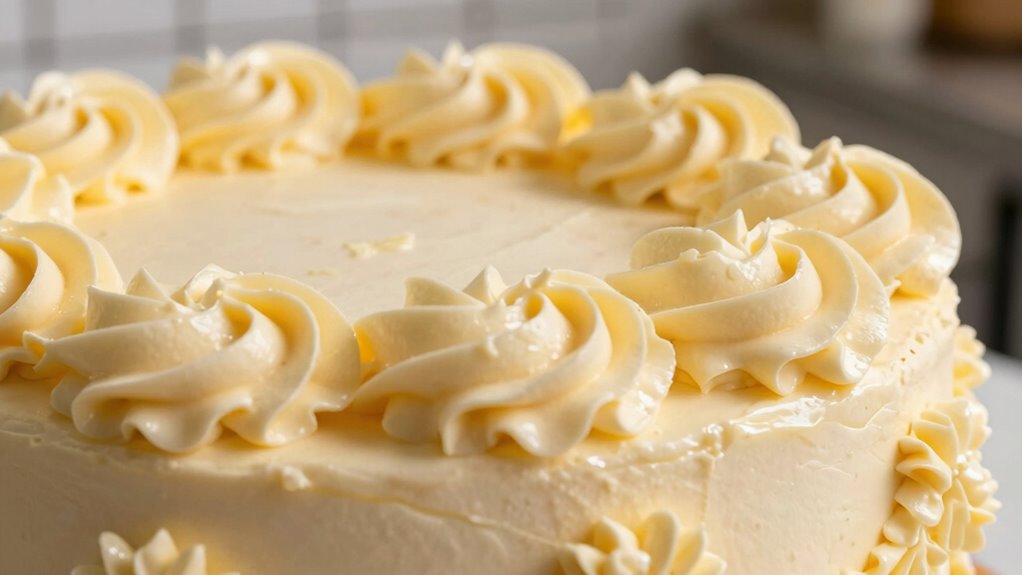
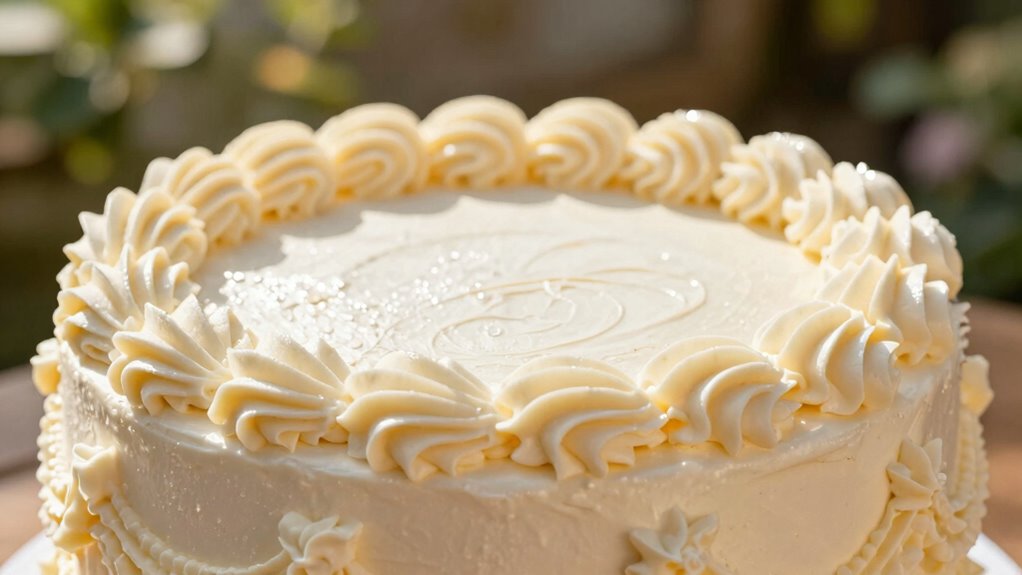
Ever wondered how to keep your buttercream sharp and smooth even on hot days? The key lies in understanding how temperature affects buttercream and knowing the right techniques to combat it. When the heat rises, buttercream tends to soften, slide, or even melt, ruining the clean, crisp look you aim for. To prevent this, start by chilling your frosting before decorating. Cold buttercream is much easier to work with and maintains its shape longer. If you’re working with fondant shaping, chilling your fondant and buttercream layers helps you achieve precise, clean edges and intricate designs. It also makes the process less frustrating, especially when you’re aiming for a polished, professional finish.
Chill your buttercream and fondant to keep your decorations sharp and professional, even in hot weather.
One effective trick is to use a crumb coat and chill your cake thoroughly before adding the final layer of buttercream. This initial coat seals in crumbs and provides a stable base. Once it’s chilled, applying the second layer becomes easier, and it sets faster in the cold environment. For flavor enhancement, consider incorporating stabilizers like buttercream stabilizers or meringue powder. These ingredients help your frosting hold up under warmer conditions, keeping it firm and less prone to melting or sliding. Adding a small amount of cornstarch or powdered sugar can also help, but don’t overdo it, as this can affect the flavor and texture. Additionally, understanding how temperature fluctuations influence frosting stability can help you better plan your decorating process.
Temperature control is essential during decoration. Keep your workspace cool by using fans or air conditioning, and consider working in shorter sessions to prevent the buttercream from warming up too much. When you’re finished decorating, place your cake in a cool place or refrigerate it to set the frosting. Just be sure to cover it properly to avoid condensation forming when bringing it back to room temperature. Additionally, understanding how ambient temperature impacts frosting consistency can help you make quick adjustments as needed. To further improve the frosting’s resilience, try incorporating stabilizers into your recipe, which can extend the frosting’s firmness even in warmer conditions.
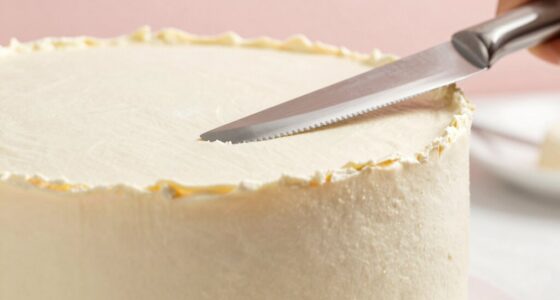
To prevent the buttercream from losing its sharp edges, use a hot knife or spatula dipped in hot water to smooth out or refine details. The heat helps you carve through the frosting cleanly without disturbing the shape. Also, if you’re shaping fondant over buttercream, work quickly and keep the fondant chilled. The cold fondant adheres better and maintains its form, making your decorations look sharp and professional.
buttercream stabilizer for warm weather
As an affiliate, we earn on qualifying purchases.
As an affiliate, we earn on qualifying purchases.
Frequently Asked Questions
Can I Use Regular Butter Instead of Shortening in Warm Weather?
Yes, you can use regular butter instead of shortening, but it may impact flavor variations and color stability, especially on warm days. Butter adds rich flavor, but it melts faster, causing the buttercream to soften. To keep it sharp, chill your buttercream thoroughly, and consider adding a bit of shortening to stabilize the texture. This helps maintain the color and shape, ensuring your frosting stays sharp and appealing even in heat.
How Long Can Buttercream Sit Out Without Melting?
Did you know that buttercream can stay out for about 2 hours before risking melting? To preserve flavor enhancements and color stability, avoid leaving it out longer, especially in warm weather. If you plan to serve it later, keep it in a cool, shaded spot or refrigerate it. Buttercream melts quickly in heat, so acting promptly helps maintain its sharp appearance and vibrant flavor.
Does Adding Powdered Sugar Affect Buttercream’s Stability?
Adding powdered sugar helps stabilize buttercream by thickening it, making it more resistant to melting, especially on warm days. It also enhances your decorating techniques, enabling cleaner piping and smoother finishes. Plus, powdered sugar offers flavor variations, giving you options to tweak sweetness levels. Just be cautious not to add too much, as it can alter texture and sweetness. Overall, it’s a simple way to keep your buttercream sharp and beautiful.
Can I Refrigerate Buttercream to Keep It Firm?
Think of refrigerating buttercream as giving it a cozy blanket—yes, you can refrigerate to keep it firm. When you do, monitor the buttercream temperature closely, as it can become too cold and stiff, affecting frosting consistency. Before using, let it sit at room temperature to soften slightly. This way, your buttercream stays smooth, sharp, and perfect, even in warm weather, without losing its delightful texture.
What Are Alternative Ingredients for Heat-Resistant Buttercream?
You can try using shortening instead of butter for heat-resistant buttercream, as it’s more stable in warm conditions. Incorporate flavor variations like vanilla or almond extracts that hold up well under heat, and choose color stabilizers or gels to maintain vibrant color. These alternatives help keep your buttercream firm, ensuring it stays sharp and visually appealing, even on hot days.
heated spatula for cake decorating
As an affiliate, we earn on qualifying purchases.
As an affiliate, we earn on qualifying purchases.
Conclusion
Now that you know the tricks to keep your buttercream sharp even on the hottest days, you’re practically a cake superhero! With quick chilling, sturdy ingredients, and smart techniques, you can conquer any warm-weather baking challenge. Don’t let the heat turn your beautiful designs into a melted mess—stand firm and stay cool. Remember, your cakes deserve to look flawless, no matter how fierce the sun blazes. Keep practicing, and soon you’ll be a buttercream legend!
As an affiliate, we earn on qualifying purchases.
As an affiliate, we earn on qualifying purchases.
Halloween Picks
halloween
As an affiliate, we earn on qualifying purchases.